5 Essential Skills for Safe Electrical Equipment Handling
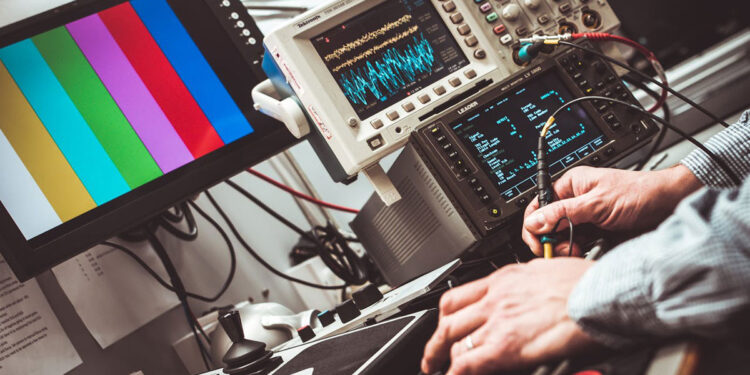
A worn kettle lead can sit in full view for weeks. Most people barely notice it. The same goes for cracked plugs, dusty extension reels, and loose chargers. Small faults often blend into the background of daily life.
You see these issues in homes, shops, rentals, and offices across Yorkshire. People use electrical items all day without much thought. That is why basic safety skills help so much. A PAT testing course gives people a clear way to build those skills.
Learn To Spot Problems Early
Many electrical faults show up before testing begins. You can often see the warning signs straight away. A split cable, bent pin, or cracked casing should never be ignored. Heat marks near a plug also need attention.
People miss these signs because they feel normal over time. A plug looks a bit worn, so it stays in use. A cable looks slightly loose, so no one checks it. That is often how simple problems grow.
A good visual check starts with the full item. Look at the plug, cable, body, and the area around it. Notice dirt, tape repairs, loose parts, scorch marks, or strain on the lead. Also think about where the item is used each day.
That habit helps people act sooner and with more confidence. It also cuts the chance of using damaged equipment by mistake. Good safety starts with what your eyes can catch. Testing comes after that.
What A Basic Visual Check Should Cover
A proper check does not need to feel hard. It just needs care and consistency. These points give you a solid place to start.
- Check the plug for cracks, bent pins, or signs of heat
- Look for cuts, splits, or twisting along the cable
- Inspect the casing for damage, loose parts, or missing screws
- Watch for taped repairs or dirt around vents and sockets
- Notice if the item suits the room and the job
That simple routine helps people slow down and look properly. It also builds better judgement over time. Once you know what to spot, unsafe items stand out faster.
Know Which Equipment Needs More Attention
Not every appliance brings the same level of risk. A desk lamp in a quiet office is one thing. A kettle in a shared kitchen is another. A vacuum or drill will usually face more wear as well.
This is where people often make wrong assumptions. They think all appliances need the same checks. They also think tidy spaces are always low risk. Neither idea holds up very well in real settings.
Risk depends on how often people use the item. It also depends on where they use it. Damp rooms, busy kitchens, shared workspaces, and storage areas all change the picture. Equipment moved often will also need closer checks.
That is why context helps so much. A clean-looking item can still be under strain every day. A low-cost extension lead might carry too much load. A plug can look fine from afar but fail a closer check.
Equipment That Often Needs Closer Review
Some items deserve more attention because people use them a lot. Others face rough handling or tough environments. These are often worth checking more often.
- Kettles, microwaves, and toasters in shared kitchens
- Extension leads and adaptors used across many rooms
- Heaters and fans moved around during colder months
- Cleaning equipment like vacuums and polishers
- Power tools and chargers used in workshops or garages
This kind of sorting helps people work smarter. It also helps them set better routines. You do not need guesswork when you understand risk properly.
Use Testing Equipment The Right Way
Safe handling does not stop at visual checks. People also need to use testing tools with care. That part can sound technical at first. Still, it becomes much clearer with simple training and practice.
A PAT tester is useful, but it is not magic. You still need to know what you are testing. You also need to know which checks suit the appliance. Pressing one button is never the full job.
Good practice starts with the right setup. Confirm the appliance type before you begin. Read the condition of the item first. If the plug or cable already looks unsafe, stop there. Do not test damaged equipment just to get a label.
People also need to understand the result. A reading only helps if the person can interpret it well. A pass label means little if the process was careless. A fail result needs action, not delay.

Good Habits When Testing Equipment
Testing should feel steady and methodical. It should never feel rushed or casual. These habits help people stay on track.
- Check the item visually before any electronic test
- Confirm the right class and test setting first
- Stop at once if the item shows unsafe damage
- Record the result clearly and remove failed items
- Review unusual readings instead of brushing them off
These steps keep the process clear and safe. They also reduce the chance of false confidence. Labels help, but sound judgement helps more.
Keep Clear Records And Follow Through
A safe check means little without proper follow-through. Someone still needs to label the item and log the result. Failed appliances should leave service straight away. Records should also stay simple and easy to read.
This part often gets missed in busy places. A damaged heater gets moved into storage. A failed extension lead returns during a rushed week. People forget what happened because nothing was written down well.
Clear records solve many of those problems. They show what passed, what failed, and what still needs action. That helps teams stay aligned. It also helps landlords, managers, and staff avoid confusion later on. They also make safety routines easier to repeat. When people know where to look, they make faster and better choices. That keeps the whole place running more smoothly.
What Good Follow Through Looks Like
This part works best when the process stays simple. Everyone should know what happens after a check. A few clear steps make that easier.
- Label tested items in a neat and consistent way
- Log the date, result, and any fault found
- Remove failed items from use without delay
- Note repairs, retests, or items set aside
- Keep records where staff can find them easily
That kind of follow-through stops repeat mistakes. It also helps people trust the system. Safety improves when actions match the result.
Build Judgement For Everyday Decisions
The final skill is judgement, and it runs through everything else. People need to know when to test and when to stop. They also need to know when to replace an item. Some cases will also need a qualified electrician.
That kind of judgement grows through practice and routine. It comes from seeing real faults and handling real equipment. It also comes from knowing your limits. Not every problem should be solved on the spot.
Good judgement helps in ordinary moments. You spot a damaged lead before someone plugs it in. You take a heater out of use before winter gets busy. You question an overloaded adaptor before it causes trouble.
Safe electrical handling is not about ticking boxes and moving on. It is about making sound choices each day. When people can inspect, sort, test, and act properly, safety becomes part of the routine.