From Factory Floors to Modern Workspaces: Northern Building Transformations
Across Northern England, the transformation of industrial buildings into contemporary office spaces has become a defining feature of urban regeneration. As businesses embrace new ways of working, these once-industrial zones are being reimagined for modern needs, preserving their legacy while welcoming innovation. Rather than building entirely new structures, many companies are choosing to refurbish existing sites, resulting in workplaces that are both functional and rich in character.
This trend reflects a broader shift in how organisations think about the spaces they occupy. Businesses now view offices as more than places for desks and meetings. They are expressions of brand identity, values, and adaptability. With flexible working models on the rise, refurbished industrial buildings offer a distinctive solution that blends heritage with practicality.
Breathing New Life into Manchester’s Industrial Buildings
In Manchester, a city once defined by mills and manufacturing, old buildings are being given a second life. The city’s industrial structures, particularly its warehouses and cotton mills, have become prime locations for adaptive reuse. These settings offer more than aesthetic appeal. They provide businesses with unique environments that reflect a strong sense of place.
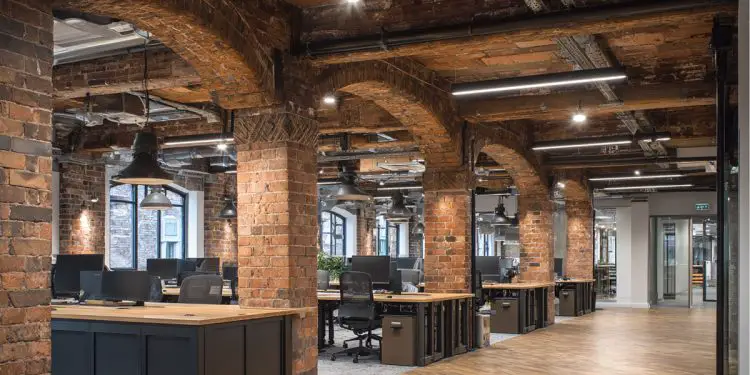
Firms seeking an office interior design Manchester solution often prioritise the preservation of original features. Exposed brick walls, steel columns, and timber beams are not simply decorative. They symbolise continuity and authenticity. In areas such as Ancoats and the Northern Quarter, these design elements contribute to a workplace culture rooted in creativity and individuality.
Adapted office spaces in these districts serve design firms, start-ups, and digital businesses, all of which thrive in environments that feel grounded in history. Spaces like the Robert Street Hub and Old Granada Studios show that with thoughtful design, heritage features can meet the demands of today’s agile teams.
Practical and Creative Renovation Choices
Transforming industrial spaces into contemporary offices involves more than a visual makeover. Planners and designers must navigate a range of technical challenges. Retrofitting older buildings often requires substantial upgrades to insulation, electrical systems, and accessibility features. The goal is to meet today’s standards without compromising original details that give the space its charm.
When approached correctly, these constraints become assets. Elements such as timber floors and aged brickwork are retained and highlighted, providing texture and authenticity. Solutions like secondary glazing or discreet soundproofing allow modern comfort without disrupting the building’s character.
Each project requires careful planning and attention to detail. Developers must work closely with professionals who understand how to navigate permissions and technical standards. The expertise of teams familiar with historic building conversions can make the difference between a successful project and one that stalls due to overlooked requirements.
Why More Businesses Are Choosing Refurbished Offices
Post-pandemic working habits have significantly influenced office design. With many employees now working remotely at least part of the week, the role of the office has changed. Businesses are looking to create spaces that employees want to visit. These spaces feel welcoming, flexible, and supportive of wellbeing.
This has led to a surge in interest across cities like Leeds, Sheffield, and Manchester in offices that go beyond conventional layouts. Features such as quiet work zones, break-out areas, and communal kitchens now take precedence over rigid rows of desks. Adaptable spaces have become key to promoting productivity and collaboration.
Cost is another consideration. Refurbishing an existing industrial unit often proves more budget-friendly than starting from scratch. For companies working within tight budgets, this offers a practical way to expand or improve facilities without the high expenses of new construction. At the same time, retaining the character of older buildings adds a layer of value that new builds may struggle to replicate.
Preserving Character While Embracing Innovation
Achieving the right balance between preserving historical character and meeting modern demands is central to the success of these projects. It begins with understanding the story the building tells and identifying which features must be protected. From there, updates are introduced in a way that complements the original structure.
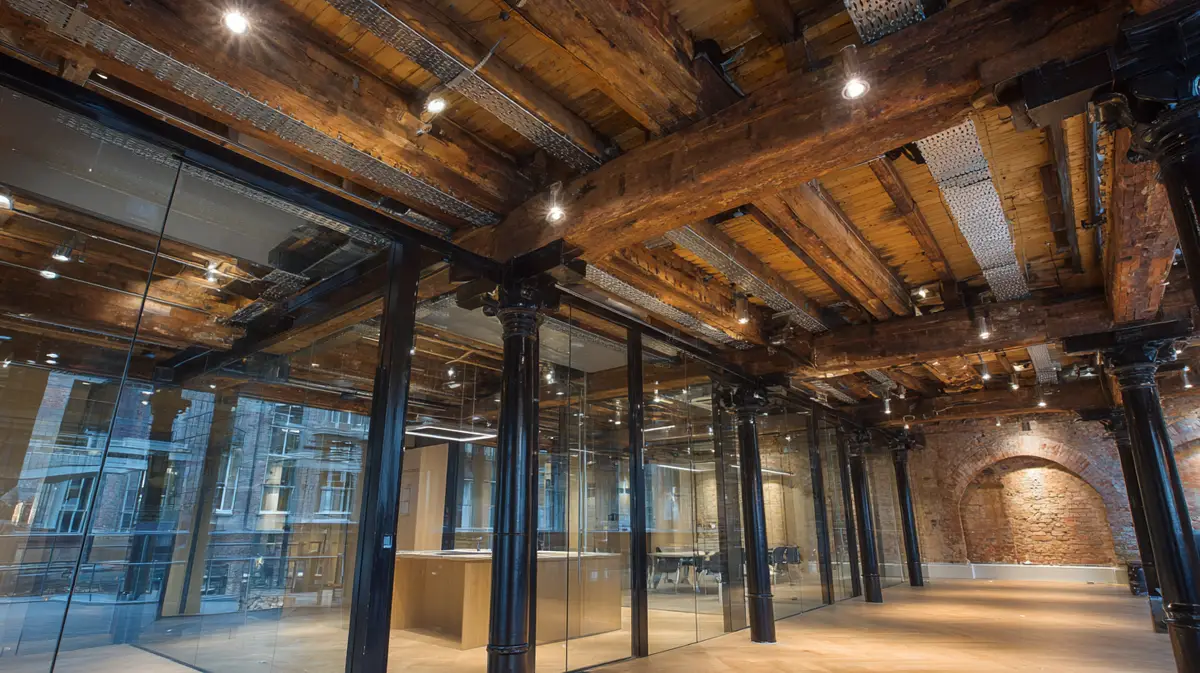
In many of Manchester’s conversions, cast iron pillars are kept as part of the internal layout. Timber beams are cleaned and treated but left visible, providing both support and visual interest. Partitioned glass meeting rooms offer a sense of privacy while keeping sightlines open and maintaining the feel of open space.
These adaptations show that it is possible to innovate without erasing history. They allow businesses to occupy buildings with real personality. The atmosphere supports creativity and connection. Rather than impose a new identity, successful refurbishments reveal and enhance what was already there.
A Lasting Legacy in Brick and Beam
The transformation of Northern England’s industrial buildings is more than a design trend. It is a statement about sustainability, innovation, and respect for heritage. Through careful refurbishment, these buildings are finding a new purpose that meets the needs of today’s businesses while keeping history alive.