You Can See Everything (2026) – Film Review
Directors: Nathan Fielder, Lance Oppenheim
Cast: Amanda Seyfried, Christopher Abbott, Nathan Fielder
Certificate: 15
By David Reid
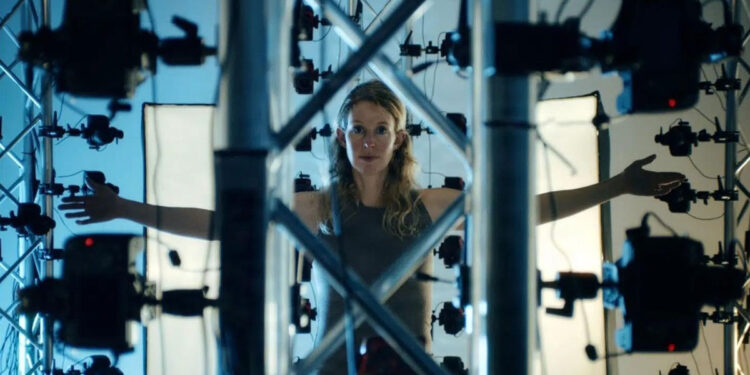
Unusually, it seems appropriate to start this review by stating that it contains no major spoilers. Unusual is a word which seems appropriate in this context. This documentary features Elizabeth Holmes, who is currently incarcerated in an American prison for fraud. The nature of her business, her crimes and subsequent coverage of her story have made her a celebrity. A one-minute teaser trailer, released in advance of this film in September 2026, went viral. At the time of writing, You Can See Everything is projected to become the highest-grossing documentary ever made. You may well ask: so, what is the fuss all about?
Elizabeth Holmes founded her health technology company, Theranos, in 2003, after dropping out of her chemical engineering degree studies at Stanford University the year before. The name of the company was derived from a combination of the words ‘therapy’ and ‘diagnosis’, emphasising the focus upon medical testing and treatment. The device they developed – Theranos 1.0 – was designed to identify more than a hundred health issues in an individual, based upon the machine’s analysis of a few droplets of blood. The company attracted a lot of interest, including high-level endorsement from two former US secretaries of state: George Shultz and Henry Kissinger.
Within 12 years, this company, of which Elizabeth Holmes was the CEO, was valued at $9 billion. Consequently, she became known as the youngest female self-made billionaire in the United States. The company formed a partnership with the well-known American pharmacy chain Walgreens in order to make these tests easily accessible to the public. By 2015, reports emerged of alleged fraudulent claims regarding suspicions that the technology didn’t work as advertised. In 2018, Elizabeth Holmes, together with former company president Ramesh ‘Sunny’ Balwani, was charged with associated fraud offences. In 2022, both were convicted of defrauding investors. Balwani was sentenced to over 12 years in prison and Holmes to more than 11 years’ incarceration (later reduced by one year).
“Embedded within”
In 2019, a two-hour HBO documentary called The Inventor: Out for Blood in Silicon Valley came out, chronicling the rise and fall of Theranos. I would recommend this as an introduction to the story. Subsequently, in 2022, Hulu released The Dropout, an eight-part drama miniseries based on the story. It starred Amanda Seyfried as Elizabeth Holmes. Her performance, stunning in my view, garnered both Emmy and Golden Globe awards.
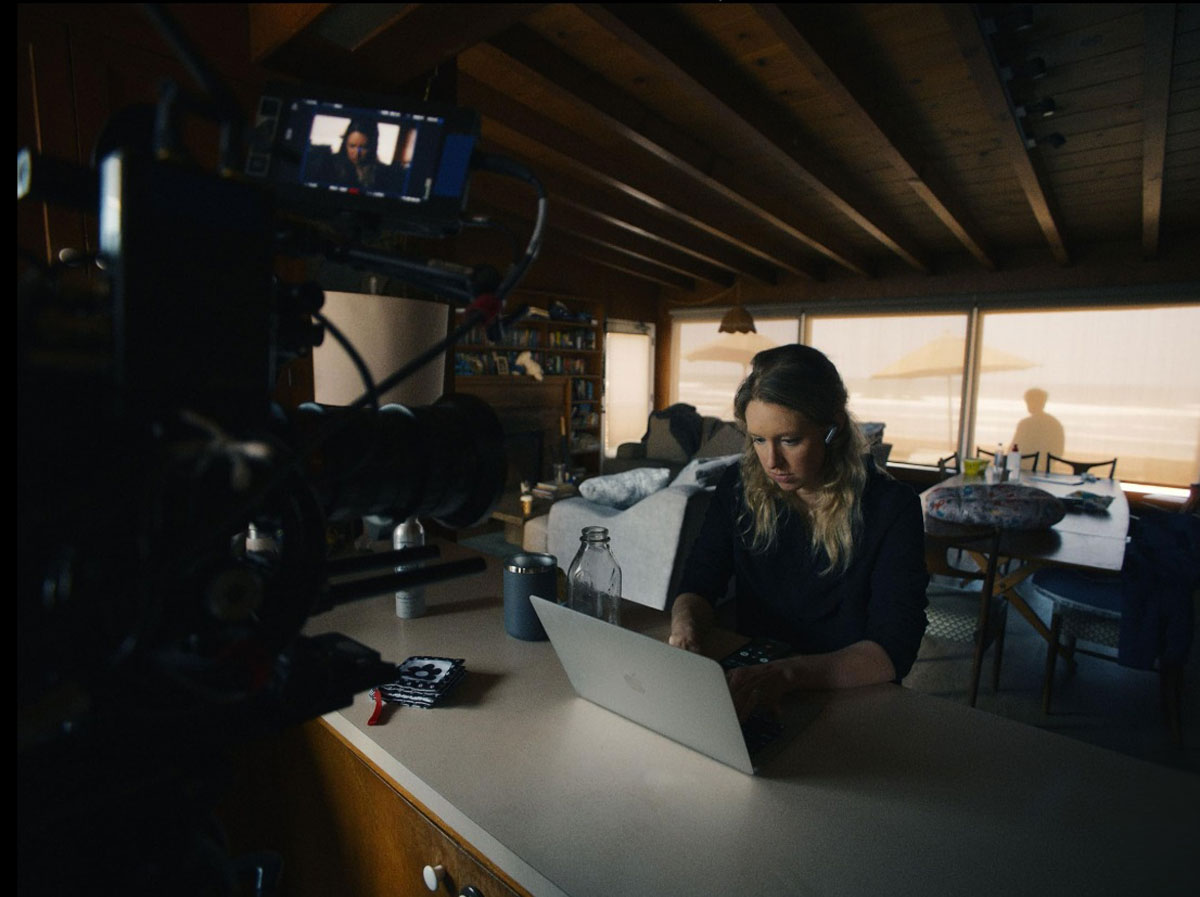
You Can See Everything is co-directed by actor, filmmaker and comedian Nathan Fielder and Lance Oppenheim, perhaps best known for recently directing Primetime (starring man of the moment and James Bond appointee Robert Pattinson). The documentary sets off as an intimate portrait of Elizabeth Holmes. Filming commences as she, her partner Billy Evans and their two young children are living in a rented beachfront apartment in Del Mar, California.
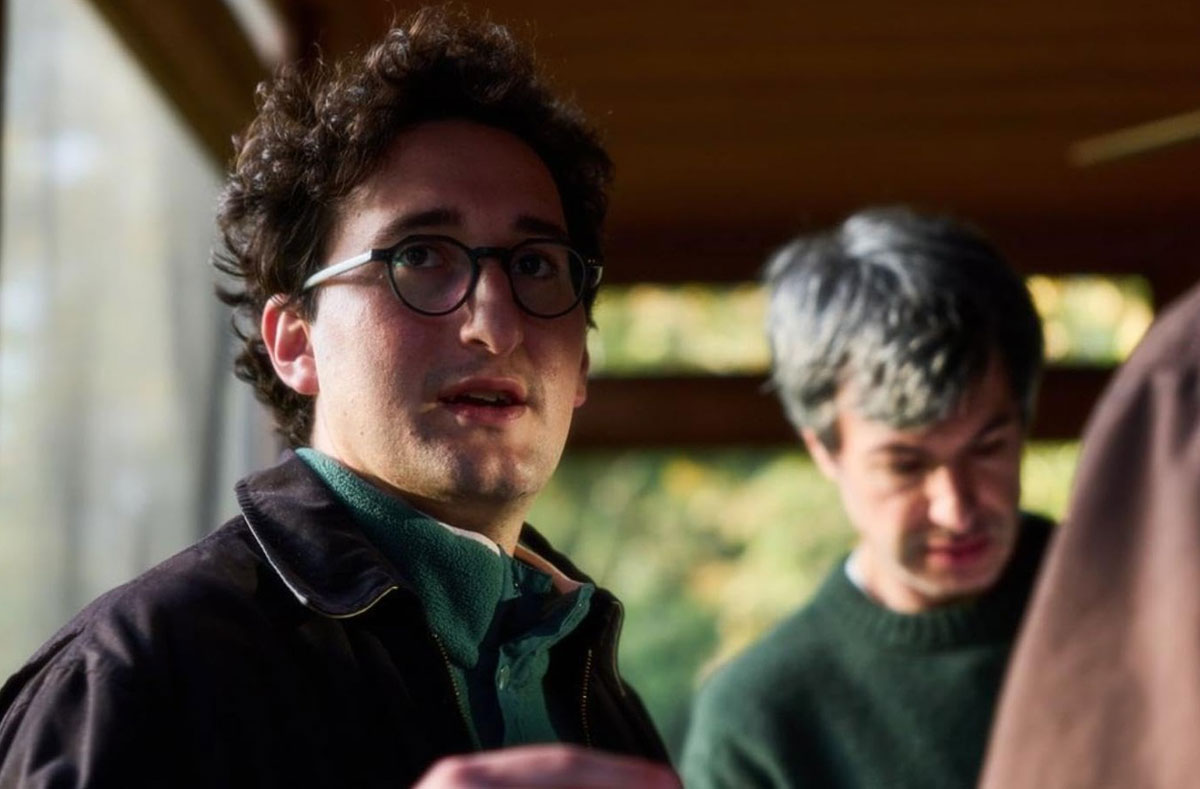
Elizabeth Holmes has consistently maintained her innocence of all the charges throughout the criminal justice process. She and Billy view this as an opportunity to set the record straight. There are 34 days until she is due to start her prison sentence at the end of May 2023. Early in filming, the couple reach the view that more would be gained – including a more transparent picture of Elizabeth Holmes, showing her true self to the world – if Nathan Fielder moved in to stay in their home. This is quickly agreed and he, along with a small filming team, continues the work, with him embedded within the household.
Although it is reported that Nathan Fielder initially intended to remain behind the camera, from the outset he is firmly in shot, as he seeks to get to know his subject, asking questions and sharing daily life with the family. Rather than adopting a fly-on-the-wall style, Nathan Fielder seeks to discover more about Elizabeth Holmes, her partner, their relationship and their understanding of the events that have led them to view her conviction as a miscarriage of justice.
“Significant twist”
We also encounter her parents and it becomes clear that Ms Holmes has plans to return to the world of entrepreneurial business. Nathan Fielder has a deadpan style of interaction and is keen to get to the bottom of the key questions. His questioning technique is precise and he maintains a determined focus on the use of words and how they are understood and used. He is not afraid to leave lengthy silences between responses. This is underpinned by an instrumental soundtrack, often piano-based, which helps to sustain a level of tension within the interviews and helps us to concentrate on proceedings. His approach is reminiscent of Louis Theroux.
However, just as you wonder where this is all leading, the documentary changes tack. It becomes clear that this is a film of two distinct halves. There is a significant twist, which is likely to please those who have an interest in this film, having watched and enjoyed The Dropout. The viewer follows Nathan Fielder as his pursuit of the truth takes him – and us – into uncharted waters. There are a number of surprising revelations, both in terms of content and style. I feel that I can safely predict that you have not seen a documentary like this before.
The results on screen are gripping and you want to see more. Although I do not wish to spoil the experience for you by revealing more of the detail, it certainly makes for compelling and unpredictable viewing. This is a documentary like no other, which perhaps explains why it is proving so popular – and why there are reports of huge increases in audience viewing figures for The Dropout. That said, I wouldn’t say that seeing the drama version of the story is a prerequisite for enjoying this work. I found that the three-hour running time flew by – although the quality of the piece could be enhanced by reducing its length by half an hour.
You Can See Everything is already being talked about as one of the films of the year, which is quite an accolade for a documentary. If you are open to this type of work, it is likely to be an experience which may well prompt thoughts and discussions for days after you’ve seen it.

David’s passion for cinema began with his first trip to the movies during The Troubles in Northern Ireland, where a screening of Jaws was dramatically interrupted by a bomb scare. Growing up in such an environment made entertainment scarce, deepening his appreciation for film and the arts. Over 25 years ago, he won a national film review competition, earning free cinema for life. This experience has allowed him to explore a vast range of genres and storytelling techniques. His reviews aim to provide insightful commentary without spoiling key surprises, helping audiences decide if a film is for them. He believes great filmmaking is rooted in strong storytelling, engaging viewers through narrative depth and presentation.