From Overseas Workshops to Yorkshire Shops: How Independent Retailers Source Their Stock
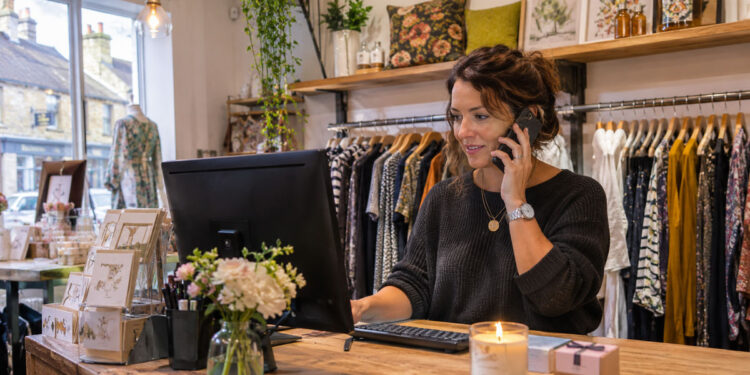
Part of the pleasure of browsing Yorkshire’s independent shops is finding something you didn’t expect. It might be a handwoven basket tucked beside a stack of brightly coloured bowls or a notebook illustrated by a local artist. Those choices often reflect the owner’s taste rather than a decision made at head office.
Across Yorkshire, independent retailers have the freedom to build collections around the people who visit their shops. Some pieces come from makers nearby, while others begin life in workshops overseas. Bringing those products together takes a good eye, an understanding of local demand and careful purchasing.
Buying for the people who walk through the door
A gift shop in York might give more space to small, easily packed items that visitors can take home. A neighbourhood shop in Sheffield might have regulars who return for familiar favourites. Perhaps they collect a particular style of drinking glass or always buy the same notebooks. The two shops may have equally tempting window displays, but their customers often shop for different reasons.
Shopkeepers pick up useful clues in everyday conversations. Customers might admire a vase but ask whether it comes in a smaller size. They may also favour one colour of candle over another. Those little observations can influence the next conversation with a supplier. They can also stop a retailer from ordering something simply because it looks appealing in a catalogue.
Making local and international designs work together
A locally illustrated greeting card can sit quite happily beside a notebook made overseas. A Yorkshire potter’s mugs could be displayed alongside imported coasters, table linen or wooden trays. The important thing is that the items belong together in the eyes of the customer.
For retailers importing commercial goods from China, working directly with manufacturers can open up new design options. A custom pattern, finish or colour could complement the rest of the shop’s range. Retailers can request samples before ordering and check whether a favourite design will be available again. Behind the scenes, a freight forwarder may be able to consolidate orders from several suppliers. Less than container load (LCL) sea freight allows smaller commercial shipments to share container space.
The next time you see a well-arranged shop window, consider how much thought has gone into pairing the products. A collection built around a Sunday breakfast, for instance, can bring together pieces from several makers. It gives the display a purpose without making the shelves feel cluttered.
Leaving room for one-off finds and returning favourites
Part of the fun of independent shopping is discovering something you might not see again. A limited run of printed textiles or a small batch of decorative objects can give customers a reason to make a special trip. Everyday favourites work differently. If someone returns for another bowl from a set, it helps if the shop can order a matching one.
A shop sourcing Portuguese ceramics might keep familiar designs in stock while introducing new colours as the seasons change. Road groupage, which allows smaller commercial consignments to share a vehicle, can help retailers arrange these repeat orders.
Knowing which designs are permanent also makes buying decisions easier. A shop might happily sell the last of an artist’s limited-edition prints while keeping a dependable selection of frames that will work with the next collection.
Working around the rhythm of the shop
The needs of summer visitors to the Yorkshire Dales can be quite different from those of Christmas shoppers in town centres. Local markets, festivals and school holidays also influence what sells. Previous sales can help retailers decide when to reorder. A fixed ordering routine may not suit a shop whose customers change with the seasons.
Sometimes an item sells much faster than expected. If the supplier has stock ready, air freight may be worth considering for a small, urgent commercial order. The likely sales need to justify the extra transport cost. For slower-moving pieces, waiting for the next planned delivery could be a better decision.
Knowing the story behind the products
One of the pleasures of buying from an independent shop is being able to ask about a product. Who designed it? Where was it made? What gives the fabric its distinctive texture? Retailers who stay in touch with their suppliers are better placed to answer those questions.
They can also be clear about the difference between something designed in Yorkshire and something manufactured there. Both can have a place in the same shop, but knowing which is which helps customers make informed choices.
Next time you stop at a little shop in Yorkshire, ask about the piece that catches your eye. The answer may take you to a nearby artist’s studio or a workshop on the other side of the world. Both can be part of what makes shopping locally such a pleasure.