An Interview with Actor, Joe McGann
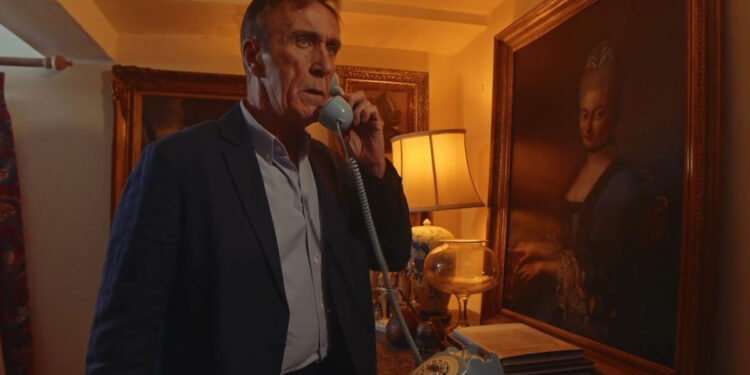
Joe McGann became a familiar face as housekeeper Charlie Burrows in The Upper Hand, starring alongside Diana Weston and Honor Blackman. His varied career, both serious and comic, also includes Rockliffe’s Babies, All Creatures Great and Small and The Hanging Gale, which brought him together with brothers Paul, Mark and Stephen. Now he stars in the movie Semolina Pilchard. Roger Crow talks to the Liverpool actor about his new film, the sitcom audiences still love, and an unexpected new vocation.
Joe, what attracted you to Semolina Pilchard?
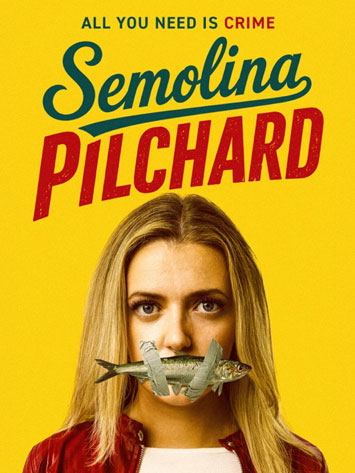
When I got the script, it was an easy yes. Sometimes you see scripts and think: great idea, but you can’t shoot it without a lot of work. This was an easily doable script, and I loved the fact that he was doing it locally. It was great fun to do. There are a lot of mates in it, local people. I think people will love it.
What appealed to you about your character, Gerry, and which scenes did you most enjoy?
What I liked was that they didn’t over-Scouse him. He doesn’t play into those parodies. I very much enjoyed the scenes with my two daughters down in the pub, but my favourite couple of days were shooting at the house, where he was a family man. It’s an easy script to learn because the dialogue is believable. The humour isn’t set up; it’s in it. That’s very much the way of life here.
Did growing up in Liverpool encourage you and your brothers to act?
In the Sixties and Seventies, everybody wanted to better themselves. The idea of social mobility was still around. Luckily for us, people like Willy Russell, those Liverpool writers, started going through the gap. There was a window for us lads. Where we lived in Kensington was a 10-minute walk to the Everyman Youth Theatre. It was a great place to meet girls! The motivation was probably more that than anything. I’m being honest.
 What made classic sitcom The Upper Hand such an appealing opportunity?
I was doing dramas and had never done a sitcom. I’d seen episodes of (US comedy inspiration) Who’s the Boss? and knew there were lots of scripts. I thought: if that goes here, that’s a job for a long time. That was my motivation for chasing it. Normally British sitcoms would be done six (episodes) at a time, because writers needed time to write the episodes. Our writers had to adapt them. We made 102 episodes.
How did you approach playing Charlie?
I thought: he’s a completely unlikely character, the perfect man. They might normally have made the idea that this was somehow a woman’s job the joke. I decided to play against that. He is good at ironing; he is good at cleaning. Just do that. Never make that the joke. We let the characters and the situation do the comedy, rather than trying to be funny people within it.
Why do audiences remain so fond of it?
Younger people say: ‘I used to watch that with my dad or mum.’ Older people say: ‘I used to watch that with my daughters.’ It was a family sitcom. Now everything’s broken into different demographics. With those classic sitcoms, sometimes you know when the joke is coming and what it will be, but it doesn’t detract from it. It’s about delivery and characters you love.
What was making The Hanging Gale with your brothers like?
One of the most amazing experiences, but difficult towards the end. Stephen and I were researching our family in Ireland when we started looking at eyewitness accounts of the famine. We hammered out a bare-bones treatment, using us playing a family as Ireland in microcosm. Getting it made brought pressure. By the time we finished filming and doing the publicity, we didn’t see each other for a couple of years, though not because we were in a huff! I’m still very proud of it.
Do people confuse you with your brothers?
Last summer I signed two autographs within 10 minutes: one for Dr Turner, Stephen, and one for Doctor Who, Paul. Whatever name they ask, we sign it. People have asked: ‘Didn’t you used to be Joe McGann?’ I still am!
You’ve now trained as a psychotherapist. Tell us about that, and will the acting go on hold?
I got sober about 21 years ago and had always been interested in neuroscience. A friend runs a residential rehab. I started doing groups and lectures. It’s been an interesting road. The best thing about being an actor is you never have to retire. I’ll just keep going.
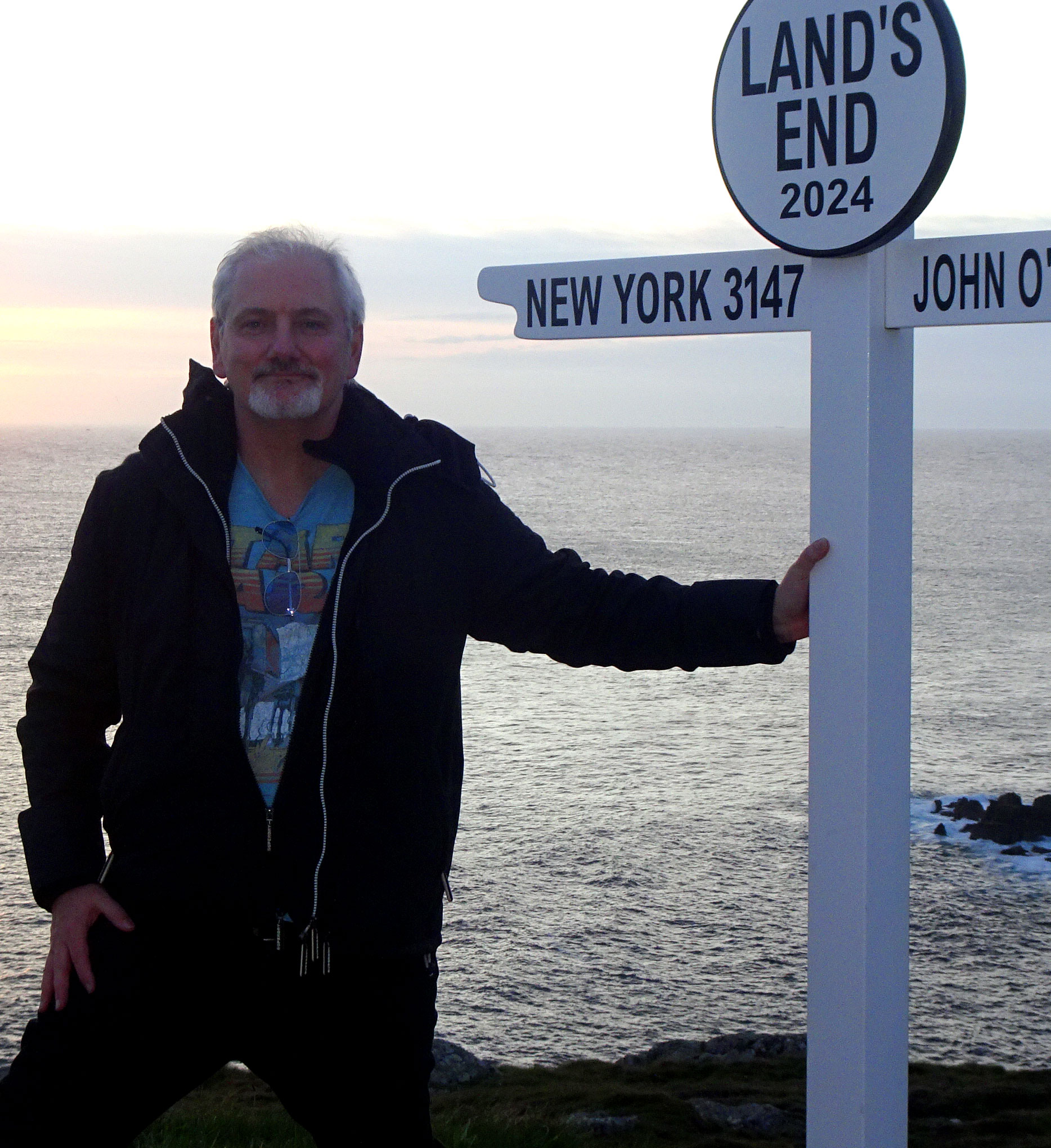
Semolina Pilchard is on UK digital now from Trinity Content Partners Adopted Yorkshireman Roger Crow developed a passion for film and TV in the 1970s and 1980s. He has been a published film and TV reviewer since the 1990s; a world travel and restaurant critic since the noughties, and for the past decade has assessed the pros and cons of live gigs and theatre productions around the UK. His ideal day would involve reviewing a performance of Bat Out of Hell, followed by a Pad Thai while being serenaded by Texas on a cruise around Europe.
The full version of this interview can be found at podcasts.apple.com/gb/podcast/nostalgiahhh
crowsfeat.com; nostalgiahhh film podcast