The Importance of Migrating Websites and the Impact if Done Correctly
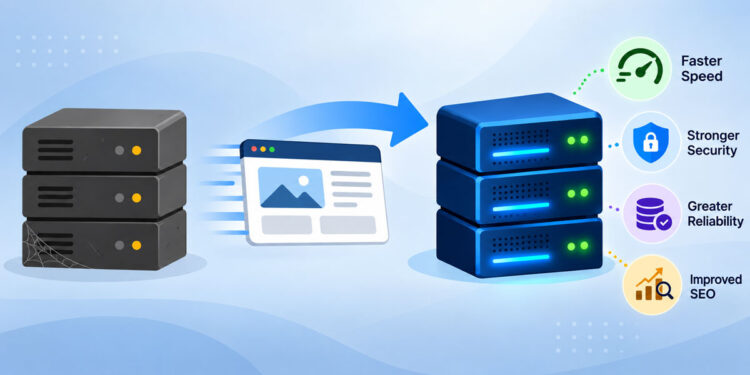
Has your business outgrown its current platform? Does it need a new domain or a redesign that better reflects what customers expect?
A website migration involves much more than moving content from one place to another. Every internal link and technical setting can affect how people and search engines find your pages.
Handling those details carefully means you can preserve the value you have already built while giving your website room to perform better.
Protecting organic traffic and search visibility
A migration can affect years of SEO work because search engines associate rankings and authority with specific URLs.
If you remove or change a high-performing URL without telling search engines where its content has moved, users may encounter a 404 error, and Google may eventually remove the old address from its index.
Before you migrate, create a complete list of your existing URLs and combine it with data from analytics and search performance tools. This process helps you identify pages that generate organic visits, attract backlinks or rank for commercially valuable searches.
Map each important old URL to the closest relevant page on the new website rather than redirecting large groups of pages to the homepage. You should then implement permanent 301 redirects and test them before launch.
After the new site goes live, monitor rankings, organic sessions, indexed pages and crawl errors so you can identify unexpected losses quickly.
You may see some short-term movement while search engines process the changes, but accurate redirects and consistent content give them much clearer signals about where your existing authority belongs.
Improving technical performance and user experience
A migration allows you to fix technical limitations rather than simply reproduce them on a new platform. Slow templates, excessive scripts, confusing navigation and outdated mobile layouts can frustrate visitors while limiting search performance.
Use performance data from the existing website as your benchmark and compare it with the new site throughout development. Developers can compress images, remove unnecessary code, improve caching and reduce the amount of work a browser must complete before someone can interact with a page.
Your migration can improve navigation at the same time. A clearer hierarchy helps visitors reach useful information with fewer detours, while descriptive internal links help search engines understand relationships between pages.
Testing real journeys, such as finding a service and completing an enquiry, reveals problems that individual page checks can miss.
Reducing risk through structured planning
Migration problems often arise when teams make interconnected changes without coordinating them. A designer may alter navigation while a developer changes URL structures. Each decision can make sense individually but create gaps when nobody assesses the combined effect.
Build a migration plan that assigns responsibility for SEO, development, content, analytics and quality assurance. Your plan should document existing URLs, proposed redirects, metadata, tracking requirements, integrations and launch checks.
A staging environment also allows your team to test forms, redirects, canonical tags and analytics before customers reach the new website.
For organisations without the necessary expertise internally, using an agency to support with the migration can add specialist oversight at important stages. An experienced agency can audit the existing site, challenge risky decisions and coordinate technical checks with developers.
Creating a stronger foundation for future growth
A successful migration should solve current problems while making future improvements easier. If you choose a platform that struggles with additional content or higher traffic, you may soon face the same constraints that prompted the migration.
Consider how your organisation expects the website to develop over the next few years. Your technical architecture should let teams create and update useful pages efficiently, while a logical URL structure should accommodate new services or content without forcing another major reorganisation.
Measure the new website against the benchmarks you recorded before migration rather than treating launch day as the finish line. When you improve how people use the site and build technology that can adapt, your migration creates a stronger digital asset that can support your organisation as its needs evolve.