Maintaining Your Outdoor Oasis: A Homeowner’s Guide to Pool and Spa Care
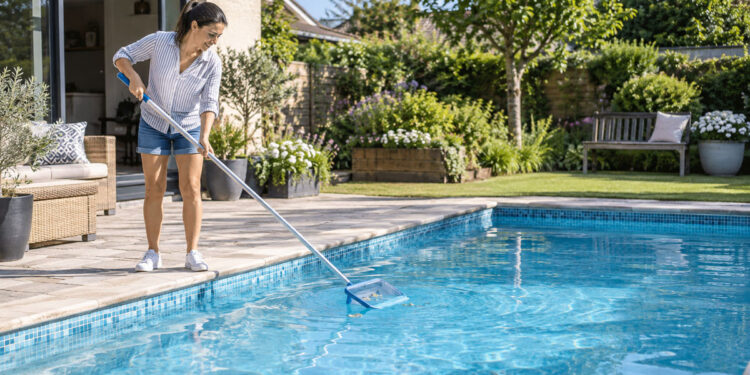
More homeowners than ever are turning their back gardens into proper outdoor retreats. Between the staycation trend and a growing appetite for garden luxury, a pool or hot tub has gone from an occasional indulgence to something a lot of families are seriously considering, or already own. What doesn’t get talked about nearly as much is what happens after installation – the ongoing care that keeps a pool or spa looking good, running efficiently, and safe to use.
Maintenance is where a lot of new owners get caught out. It’s easy to focus on the exciting part – choosing tiles, picking a heating system, deciding where the loungers go – and leave the practical questions for later. But the accessories that protect and manage a pool or spa day to day are just as important as the pool itself, and getting them right from the start saves a good deal of hassle further down the track.
This guide walks through the essentials of pool and spa upkeep, and finishes with a simple seasonal checklist you can work through yourself.
Why a Cover Is the Foundation of Good Maintenance
If there’s one accessory that has the biggest impact on how much work a pool needs, it’s the cover. Left uncovered, a pool collects leaves, dust, insects and whatever else the weather blows in, all of which feed algae growth and throw off the water’s chemical balance. That means more time spent skimming, testing and adding chemicals, and a higher water bill from having to top up more often through evaporation.
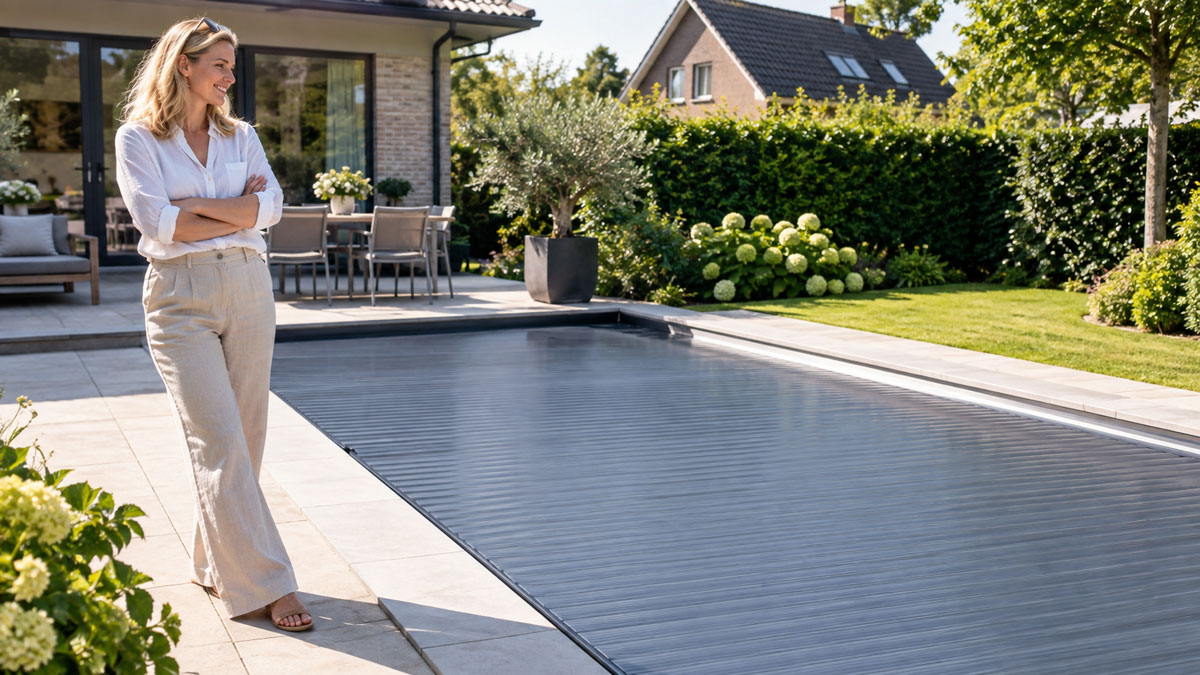
A well-fitted pool cover addresses most of this in one go. It keeps debris out, slows evaporation significantly, and helps retain heat overnight, which matters in a climate where outdoor pools don’t get much help from the sun once autumn sets in. For homeowners weighing up whether a cover is worth adding, it’s worth thinking of it less as an accessory and more as the single piece of equipment that determines how much time you’ll spend on maintenance for the rest of the season. A good pool cover essentially does the first, and hardest, part of the maintenance job before you’ve even picked up a net.
Choosing the right cover matters just as much as having one at all, since a cover that doesn’t fit properly, or is too heavy to manage on your own, tends to end up left off more often than it’s used. Which brings up the next practical question: how do you actually get a cover on and off without it becoming a two-person job every time?
Making Daily Use Practical: The Role of a Pool Cover Roller
This is the part that’s easy to underestimate before you own a pool. A cover only does its job if it’s actually used consistently, and a large cover dragged across a pool by hand gets old fast, especially for anyone managing the garden on their own or dealing with a larger surface area.
A roller solves this by letting one person cover or uncover a pool in a couple of minutes, without wrestling with a heavy, waterlogged sheet. It also protects the cover itself, since folding and dragging a cover repeatedly is one of the main reasons covers wear out early or develop tears along the seams. Rolled covers store more neatly at the poolside too, which matters in gardens where space is at a premium.
For anyone who’s found that a cover keeps “somehow” staying off the pool because it’s too much bother to put back, a pool cover roller is usually the fix. It turns a chore that gets skipped into a genuinely quick, five-minute habit, which is really the only way a cover delivers on the maintenance benefits mentioned above.
Of course, a cover on a roller still needs to stay in place once it’s down, particularly in exposed gardens where wind is a factor. That’s where the smaller, less glamorous accessories come in.
Keeping Everything Secure: Why Clips and Straps Matter
It’s a common story: a cover is fitted correctly, a roller makes it easy to use, and then a windy night lifts one edge and the whole thing ends up half in the pool or blown across the garden. Straps and clips are the part of the system that stops this happening, anchoring the cover at regular intervals so wind can’t get underneath and lift it.
Beyond wind, secure fittings matter for safety too, particularly in households with young children or pets. A cover that isn’t properly secured can shift under weight in a way that creates a hazard rather than removing one, so this isn’t purely about tidiness. Properly fitted pool cover clips keep the cover taut and flat against the water’s edge, which also improves how well it insulates and keeps debris out, tying this small detail back to everything covered in the sections above.
It’s a genuinely small investment relative to the cover and roller, but it’s often the piece that determines whether the whole system actually works as intended over a full season rather than just on calm days.
Hot Tubs and Spas Need the Same Logic
Everything discussed so far applies just as much to a hot tub or spa as it does to a full-sized pool, even though spas are often treated as an afterthought in maintenance planning. A smaller volume of water heats up and cools down faster, which means an uncovered spa loses heat quickly and pushes energy costs up noticeably, particularly through a cold, damp winter.
Spa covers are typically insulated rather than just a barrier against debris, since retaining heat is the main job they’re doing. A well-fitted, well-insulated cover reduces how hard the heater has to work to bring the water back up to temperature after each use, which adds up over a full year of regular use. Anyone weighing up the running costs of a hot tub against the enjoyment it provides will usually find that a decent set of spa covers makes a measurable difference to that balance.
The same logic about fit and ease of use applies here too. A heavy, awkward cover that’s a struggle to lift on your own tends to get left off more often, which defeats the purpose. It’s worth checking how a cover is designed to be removed and refitted before buying, rather than assuming any cover will do.
A Seasonal Maintenance Checklist
Pulling the sections above together, here’s a simple checklist worth running through as the seasons change:
- Spring – Inspect the cover for any wear, tears or stretched seams after winter storage. Check straps and clips for stiffness or cracking, since cold weather can make some materials brittle.
- Summer – Get into the habit of covering the pool overnight even during warmer months, since it still cuts down on debris and evaporation. Check the roller mechanism runs smoothly, especially if it’s been sitting unused.
- Autumn – This is when covers earn their keep, with falling leaves and debris at their worst. Make sure clips are fitted at every point around the edge, not just the corners, since this is when covers are put under the most strain.
- Winter – For pools not in use, check that the cover is fitted tightly enough to handle wind and rain without pooling water on top. For spas still in regular use, this is when insulation quality matters most, so it’s worth checking the cover is still sealing properly around the edges.
- Year-round – Give straps and clips a quick visual check every month or so. They’re inexpensive to replace but expensive to ignore if a cover comes loose during bad weather.
Running through this a few times a year takes very little time and avoids the more expensive problems that come from a cover, roller or set of clips quietly failing without anyone noticing.
Getting the System Right From the Start
The theme running through all of this is that a pool or spa cover isn’t really one product, it’s a small system of a few parts working together: the cover itself, something to make it easy to use daily, and the fittings that keep it secure once it’s on. Skipping any one of these tends to undermine the other two, whether that’s a great cover that never gets used because it’s too heavy to manage, or a well-designed roller paired with a cover that keeps blowing loose because it isn’t clipped down properly.
For homeowners setting up a new pool or spa, or looking at an existing one that’s proving more work than expected, it’s worth assessing all three parts together rather than buying them separately as problems come up. A little planning upfront tends to mean a lot less maintenance later, which is really the whole point of having a cover in the first place. That’s the difference between a pool or spa that feels like an ongoing chore and one that genuinely earns its place as part of the garden.