How Leeds Businesses Can Clean Smarter Without Increasing Costs
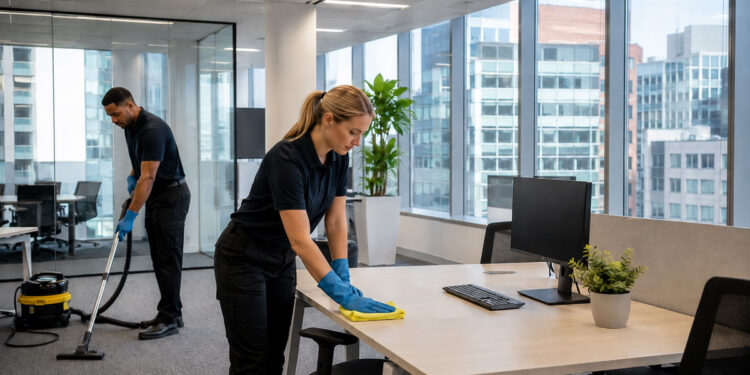
Like many companies across the UK, Leeds businesses are being asked to do more with less. Waste reduction, workplace standards and sustainability targets are high on the agenda, yet few organisations have unlimited budget to solve them.
Cleaning is one area where practical changes can make a real difference.
Research from money.co.uk found that 59% of UK SMEs say cost reduction is one of the main reasons behind their sustainability efforts, while 70% say they have already reduced waste through sustainable practices.
For many Leeds businesses, cleaning should be part of that same efficiency conversation.
Sustainable office cleaning in Leeds doesn’t need to mean expensive products, complicated policies or bold environmental claims. Often, the best starting point is to go simple: clean with more purpose, use fewer unnecessary resources and adjust routines around how the workplace is actually used.
Why over-cleaning can be wasteful
More cleaning does not always mean better results. In some Leeds workplaces, especially those now operating hybrid schedules such as those on Wellington Place, the same routine is still applied to every room, desk and meeting space, regardless of how often those areas are used.
That can create waste without adding much value.
Common examples include:
- Cleaning low-traffic rooms as frequently as busy communal areas
- Using more chemical product than required
- Replacing bin liners when bins are almost empty
- Spending time on spaces that have barely been occupied
The issue is not that businesses should clean less. It is that cleaning should be better matched to risk, usage and footfall.
In Leeds, this is especially relevant for city-centre offices where attendance often rises between Tuesday and Thursday. Workplaces around Leeds Station, Wellington Place and other commercial hubs may be quieter at the start and end of the week, then much busier in the middle.
A fixed five-day routine can miss that pattern.
Targeted cleaning delivers better results
A more efficient approach to office cleaning starts by identifying where cleaning has the most impact.
For many workplaces in Leeds, that means focusing on:
- High-touch surfaces
- Shared desks and meeting rooms
- Kitchens and breakout spaces
- Reception areas
- Entrances with heavy footfall
These are the areas where dirt, waste and hygiene issues tend to build up fastest. They are also the spaces employees, clients and visitors notice most.
Targeted cleaning doesn’t mean lowering standards elsewhere. It’s about paying attention to areas where it’s needed most and avoiding unnecessary time and effort where it is not needed.
This matters in Leeds because many commercial spaces no longer follow the standard Monday-to-Friday working hours. With the introduction of hybrid teams, flexible leases and shared buildings, how offices work has changed. Your workplace might feel empty on a Friday afternoon, then have a full kitchen, packed meeting rooms and overflowing bins by Wednesday lunchtime.
Your commercial office cleaning plan needs to follow that pattern.
Reducing chemical overuse without compromising hygiene
Sustainability conversations around cleaning can easily drift into vague, wishy-washy claims. A better approach is to look at how cleaning products are selected, measured and actually used.
Using too much chemical product does not automatically improve hygiene. In some cases, it creates extra waste, stronger odours and residue on surfaces. Good practice depends on using the right product, in the right amount, for the right surface.
Smart Cleaning UK is working towards becoming carbon neutral by 2030, in line with its ISO 14001 environmental objectives.
This involves moving towards fully electric vehicles, using Enviro Concentrated cleaning products to reduce plastic waste, and by switching to biodegradable bin bags across its operations.
This is the kind of practical sustainability that makes sense for commercial cleaning at scale. Using concentrated products reduces plastic packaging over time, while better product control and staff training help avoid unnecessary overuse.
For businesses, the aim should not be to clean less hygienically. It should be to reduce waste while keeping standards consistent.
Smarter bin management in hybrid offices
Waste patterns have changed since hybrid working became more common.
In many Leeds offices, bins now fill unevenly. Kitchen waste and takeaway packaging may build up quickly on peak attendance days, while some desk bins remain almost untouched during quieter periods.
A rigid waste routine can lead to both problems at once: overflowing bins in busy spaces and unnecessary liner changes in low-use areas.
Smarter bin management might include:
- Adjusting collections around occupancy patterns
- Reviewing where bins are placed
- Improving recycling signage
- Reducing unnecessary liner replacement
- Monitoring where food packaging and general waste build up fastest
For city-centre workplaces, food delivery and takeaway packaging can be a noticeable part of mid-week office waste. Placing the right bins in the right locations, and reviewing how often they are emptied, can improve both cleanliness and resource use.
Seasonal cleaning adjustments matter more than you realise
Your office cleaning needs change as the year goes by. The routine that worked just fine in July might actually not be hitting the mark come November.
Leeds workplaces – during wet and muddy Yorkshire winters – will face heavier entrance cleaning demands when rain, grit and mud are traipsed through your reception areas and onto carpets.
Even spring brings its own challenges, with pollen and dust a big issue – particularly in buildings that have open windows or older ventilation systems. Summer may reduce muddy messes, but food and drink spillages increase in kitchens and breakout areas.
Seasonal office cleaning plans helps businesses respond to those changes without increasing cleaning across the board.
Useful adjustments can include:
- More focus on entrances during wet winter months
- Extra dust control in spring
- Flexible scheduling during quieter summer periods
- More frequent kitchen and bin checks on peak attendance days
The point is not to add more work everywhere. The aim is to focus on the places where seasonal pressure is greatest.
Sustainability without greenwashing
Many businesses are rightly cautious about sustainability claims that sound impressive but are difficult to evidence. Cleaning is no different.
Smarter cleaning should be judged by practical outcomes: less unnecessary product use, better waste management, more efficient routines and consistently clean workplaces.
For Leeds businesses balancing cost pressures with environmental expectations, small operational improvements can be more useful than broad statements. Reducing waste, adapting schedules and improving product control are not dramatic changes, but they are the kind that can be sustained.
Sustainability in cleaning works best when it is specific, measurable and tied to everyday workplace behaviour.
Conclusion
Leeds businesses don’t always need huge cleaning budgets to improve sustainability or workplace standards.
Often, it’s about understanding how your workplace is being used, then working with your cleaning company to adjust routines around those patterns. This approach could help reduce waste, improve efficiency and help maintain a healthier, more professional environment.
As hybrid working continues to reshape offices across Leeds, targeted cleaning is becoming more important. For businesses trying to operate more sustainably without compromising hygiene, practical efficiency is often the most sensible place to start.