Why Better Sleep Starts with the Right Mattress
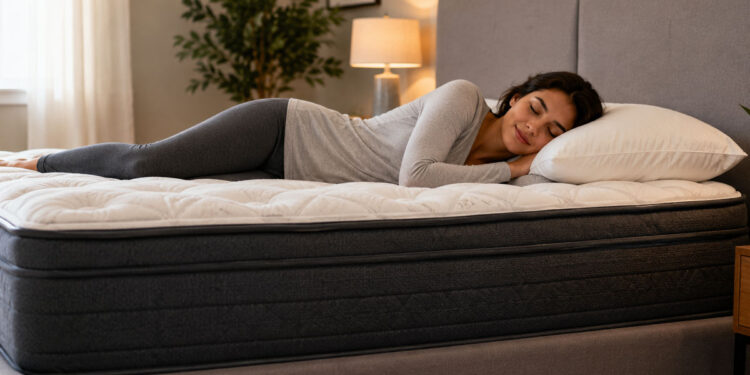
Sleep is one of the most important aspects of overall health and wellbeing. It influences energy levels, mood, concentration, physical recovery, and long-term health outcomes. Yet despite understanding the importance of sleep, many people struggle to get the rest they need.
Conversations about sleep often focus on reducing screen time, improving bedtime routines, or managing stress. While these factors certainly matter, there is another element that directly affects sleep quality every night: the mattress.
The surface people sleep on can influence comfort, posture, movement, temperature regulation, and overall recovery. Choosing the right mattress is one of the most impactful investments people can make in their daily wellbeing.
The Role of Sleep in Everyday Life
Sleep is not simply a period of rest. During sleep, the body performs numerous essential functions, including:
- Muscle recovery
- Memory consolidation
- Hormonal regulation
- Tissue repair
- Immune system support
When sleep quality suffers, the effects often extend beyond simple tiredness. Poor sleep can influence productivity, mood, decision-making, and overall quality of life.
Creating the right sleep environment is therefore an important part of maintaining long-term health.
Why the Mattress Matters
Many people continue sleeping on mattresses that no longer provide adequate support. Over time, materials wear down, support systems weaken, and comfort levels change. Even a mattress that once felt perfect may eventually stop meeting the sleeper’s needs.
A quality mattress supports the body properly throughout the night, helping maintain healthy spinal alignment and reducing unnecessary pressure on joints and muscles.
Without sufficient support, sleepers may find themselves tossing and turning, waking frequently, or experiencing discomfort in the morning.
Understanding Sleep Support
Support is one of the most important qualities of any mattress.
A supportive mattress helps keep the spine in a neutral position while distributing body weight evenly across the sleeping surface.
When support is lacking, heavier areas of the body may sink excessively, creating strain on muscles and joints.
Proper support helps the body relax more completely, allowing deeper and more restorative sleep.
Comfort Is Personal
One of the biggest misconceptions about mattresses is that there is a universal solution that works for everyone.
In reality, comfort preferences vary based on several factors:
- Body weight
- Sleeping position
- Age
- Personal preferences
- Existing aches and pains
What feels comfortable for one person may feel entirely different for another.
This is why mattress selection should always be approached as an individual decision rather than a one-size-fits-all purchase.
How Sleeping Position Affects Mattress Choice
Different sleeping positions place different demands on a mattress.
Back Sleepers
Back sleepers typically benefit from balanced support that maintains the natural curvature of the spine.
A mattress that is too soft may allow the hips to sink too deeply, while one that is too firm may fail to provide adequate contouring.
Side Sleepers
Side sleepers generally need pressure relief around the shoulders and hips while maintaining proper alignment throughout the spine.
The ideal balance depends on body weight and personal preference.
Stomach Sleepers
Stomach sleepers often require additional support to prevent excessive sinking through the midsection.
This helps maintain a healthier sleeping posture and reduces strain on the lower back.

Common Mattress Types
Today’s mattress market offers a wide range of options, each with unique characteristics.
Memory Foam
Memory foam responds to body heat and pressure, creating a contouring effect that many sleepers find comfortable.
It is particularly popular for pressure relief and motion isolation.
Pocket Spring
Pocket spring mattresses use individually wrapped coils that respond independently to body movement.
This design often provides targeted support and improved airflow.
Latex
Latex mattresses are known for durability, responsiveness, and natural resilience.
Many sleepers appreciate the balance of comfort and support they offer.
Hybrid
Hybrid mattresses combine multiple technologies, typically incorporating springs and foam layers.
These models aim to deliver the benefits of various materials within a single design.
Signs It May Be Time to Replace Your Mattress
Mattresses do not last forever. Even high-quality products eventually lose their ability to provide optimal support.
Common signs that replacement may be necessary include:
- Visible sagging
- Uneven sleeping surfaces
- Increased discomfort
- Morning stiffness
- Frequent sleep interruptions
- Noisy springs
- Better sleep experienced elsewhere
If several of these signs are present, evaluating replacement options may be worthwhile.
The Relationship Between Sleep and Productivity
Sleep quality influences performance in nearly every area of life.
Research consistently shows that adequate rest supports:
- Focus and concentration
- Learning and memory
- Emotional wellbeing
- Physical performance
- Decision-making ability
For professionals, students, parents, and athletes alike, quality sleep often serves as a foundation for daily success.
A supportive mattress can play an important role in achieving that goal.
Creating the Ideal Sleep Environment
While the mattress is critical, it should be considered part of a broader sleep strategy.
Many sleep experts recommend:
- Maintaining a consistent bedtime
- Keeping the bedroom cool and dark
- Reducing evening screen exposure
- Limiting caffeine consumption later in the day
- Establishing relaxing bedtime rituals
These practices work together with a supportive mattress to create conditions that encourage restful sleep.
Investing in Long-Term Wellbeing
A mattress is one of the most frequently used pieces of furniture in any home.
Given that adults spend approximately one-third of their lives sleeping, the importance of selecting the right sleep surface becomes clear.
Rather than focusing solely on cost, consumers should consider:
- Support quality
- Durability
- Comfort preferences
- Material composition
- Sleep habits
A well-chosen mattress can provide years of comfort and support.
How Consumer Expectations Are Evolving
Today’s consumers are more informed than ever before.
Online reviews, sleep studies, and increased awareness of wellness have encouraged people to research mattress options more thoroughly.
Modern shoppers often evaluate:
- Construction quality
- Trial periods
- Material transparency
- Support characteristics
- Long-term performance
This shift has driven innovation across the mattress industry and resulted in a broader range of choices for consumers.
Final Thoughts
Quality sleep affects nearly every aspect of life, from physical health and recovery to productivity and emotional wellbeing. While many factors influence sleep quality, the mattress remains one of the most important.
A supportive mattress helps maintain proper alignment, encourages comfort, and creates the foundation for restorative rest. As awareness of sleep health continues to grow, more people are recognising the value of investing in a sleep surface that meets their individual needs.
The right mattress is not simply a bedroom accessory – it is an investment in daily comfort, long-term wellbeing, and a healthier lifestyle overall.