Dental Implants After 60: Why Age Might Actually Work in Your Favour
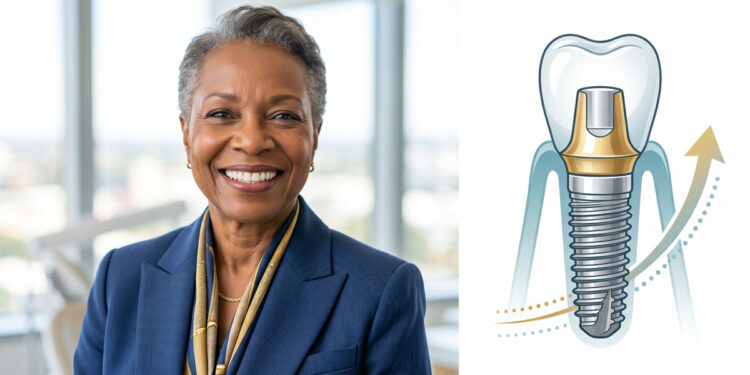
Your dentist just recommended dental implants. Your first thought: “Aren’t I too old for this?” Your second thought: “Will they even work at my age?” If you’re over 60 and facing these questions, the research has a surprising answer. Age isn’t working against you. In many cases, it’s actually working in your favour.
The notion that dental implants are primarily for younger patients persists despite clinical evidence showing the opposite. Recent studies demonstrate that patients over 75 achieve success rates of 96.8% compared to 92.1% for patients aged 65-75. That’s not a typo. The oldest patient group shows the best outcomes. Understanding why age creates advantages rather than obstacles changes how you should think about implant treatment timing.
The Data That Surprises Even Dentists
A 2024 comprehensive analysis examining age-related implant outcomes tracked thousands of patients across multiple age groups. The findings challenged conventional assumptions about aging and dental implant success. Patients over 75 not only achieved excellent results, they statistically outperformed younger cohorts in several key metrics.
The 10-year survival rates tell the story clearly: patients aged 75 and older showed 96.8% implant survival, while those aged 65-74 showed 92.1% survival. The difference isn’t marginal. It’s clinically significant and consistent across multiple studies examining elderly patient outcomes.
But raw survival numbers only tell part of the story. When researchers examined complication rates, maintenance compliance, and patient satisfaction, the elderly patient advantage became even more apparent. Older patients experienced fewer mechanical complications like crown fractures and screw loosening. They attended follow-up appointments more consistently. They reported higher satisfaction scores with their treatment outcomes.
The mechanism behind better outcomes in elderly patients involves multiple factors working together. Older patients typically demonstrate superior treatment compliance, following post-surgical instructions meticulously and maintaining rigorous oral hygiene routines. They generate less mechanical stress on implants through more conservative chewing patterns. They possess the life experience to make informed decisions and realistic expectations about treatment outcomes.
What Actually Matters More Than Your Birth Certificate
Age appears on every medical history form, but it’s a poor predictor of dental implant success compared to factors you can control. The research identifies specific variables that determine outcomes regardless of how many candles were on your last birthday cake.
Smoking status outweighs age by a significant margin. A 45-year-old smoker faces substantially higher implant failure risk than a 75-year-old who never smoked. Tobacco use compromises blood flow, impairs healing, and promotes bacterial colonization around implants. The age-related advantages disappear completely in smoking patients, replaced by failure rates two to three times higher than non-smokers.
Diabetes management matters more than age. Well-controlled diabetes with HbA1c levels below 7% creates minimal added risk for implant patients at any age. Poorly controlled diabetes significantly increases peri-implantitis incidence and implant failure regardless of patient age. A 70-year-old with excellent diabetes management achieves better outcomes than a 50-year-old with uncontrolled blood sugar.
Oral hygiene habits predict success more accurately than chronological age. Patients maintaining consistent brushing, flossing, and professional cleaning schedules achieve high success rates into their 80s and 90s. Those with poor oral hygiene face complications at every age. The difference: older patients often have established hygiene routines refined over decades, while younger patients may still be developing consistent habits.
Bone density concerns get raised frequently with elderly patients, but the reality is more nuanced than “old bones won’t support implants.” While osteoporosis and osteopenia increase with age, these conditions don’t contraindicate implant treatment. They require informed treatment planning and sometimes modified protocols, but they don’t prevent successful outcomes. Many elderly patients maintain excellent bone quality, particularly in the mandible where implants most commonly get placed.
The Psychological Advantages of Experience
Sixty years of life experience creates less obvious but equally important advantages for implant treatment success. Elderly patients approach major dental decisions differently than younger counterparts, and these differences translate into better outcomes.
Realistic expectations matter enormously in patient satisfaction. Older patients generally understand that dental implants require maintenance, don’t last forever without care, and occasionally develop complications requiring management. They’ve experienced enough medical and dental treatment to calibrate expectations appropriately. Younger patients more often expect perfect, permanent results requiring zero maintenance, setting themselves up for disappointment when reality proves more complex.
Financial capacity and insurance situations often improve with age. Patients in their 60s and 70s may have completed mortgage payments, funded their children’s education, and built retirement savings allowing investment in comprehensive dental treatment. Medicare doesn’t cover dental implants, but financial stability in retirement enables many patients to afford treatment they couldn’t consider during their working years.
Treatment timing flexibility increases after retirement. Dental implant treatment requires multiple appointments over several months. Working-age patients struggle to schedule appointments around job responsibilities and family commitments. Retired patients can typically accommodate appointment scheduling more easily, reducing stress and improving treatment adherence.
Special Considerations That Actually Apply to Elderly Patients
While age creates advantages in many areas, certain considerations do become more relevant for patients over 60. These aren’t insurmountable obstacles, but they warrant thoughtful treatment planning.
Medication interactions require careful review. Many elderly patients take multiple prescription medications, and some interact with dental implant treatment. Bisphosphonates for osteoporosis get significant attention due to rare but serious osteonecrosis risks. Blood thinners affect surgical bleeding management. Immunosuppressants impact infection risk. A comprehensive medication review with your dentist and physician ensures safe treatment planning.
Healing capacity changes with age, though less dramatically than most people assume. The elderly patient who exercises regularly, maintains good nutrition, and manages chronic conditions well heals comparably to younger patients. The sedentary elderly patient with poor nutrition and uncontrolled conditions heals poorly. Biological age matters more than chronological age, and biological age reflects lifestyle factors under your control.
Systemic health conditions become more common with age. Heart disease, diabetes, autoimmune disorders, and respiratory conditions don’t prevent implant treatment but require coordination between your dentist, primary care physician, and specialists. This coordination happens routinely and shouldn’t discourage you from pursuing treatment. It simply means assembling the right care team before beginning.
Anesthesia considerations shift slightly with age. Local anesthesia for implant placement works safely across all age groups. Sedation and general anesthesia require more careful cardiovascular and respiratory monitoring in elderly patients but remain viable options when medically indicated. Your overall health status matters more than your age for anesthesia safety.
Maximizing Your Success Rate After 60
The research demonstrates that elderly patients can achieve excellent implant outcomes. Translating that statistical probability into your personal success requires specific actions before, during, and after treatment.
Choose your surgeon carefully based on experience with elderly patients and complex medical histories rather than proximity or cost alone. Surgeons who routinely treat older patients understand the nuances of medication management, healing considerations, and communication that optimizes outcomes. Clinics specializing in best dental implant brands for elderly patients often develop protocols specifically addressing age-related considerations while leveraging the advantages elderly patients bring to treatment.
Optimize controllable health factors before surgery. If you smoke, quit at least four weeks before implant placement. If your diabetes shows elevated HbA1c, work with your endocrinologist to improve control before proceeding. If you have active periodontal disease, complete treatment before implant placement. These interventions dramatically improve outcomes regardless of age.
Commit to maintenance protocols before beginning treatment. Dental implants require professional cleaning every 3-4 months and meticulous daily home care. If you’re unwilling or unable to maintain this schedule, implants aren’t appropriate regardless of age. Elderly patients’ superior compliance with maintenance protocols contributes significantly to their excellent outcomes.
Select premium implant brands backed by long-term research. At 60 or 70, you need implants that last 20-30 years. Established manufacturers like Straumann, Nobel Biocare, and BEGO provide decades of clinical data showing consistent long-term success. Economy brands may cost less initially but lack the research documentation supporting confidence in multi-decade outcomes.
When Age Actually Becomes a Concern
While the data supports implant treatment for healthy patients well into their 80s, certain situations warrant careful consideration or alternative approaches.
Very advanced age combined with frailty creates legitimate concerns. A 90-year-old patient with multiple comorbidities, limited mobility, and cognitive decline faces different risk calculations than a healthy 75-year-old. The question isn’t whether implants will work biologically, but whether the treatment process and maintenance requirements align with the patient’s overall health trajectory and quality of life goals.
Limited life expectancy from terminal illness changes the treatment equation. If a patient has a life expectancy of 1-2 years from advanced cancer or other terminal conditions, the months required for implant treatment and osseointegration may not represent the best use of remaining time. Immediate solutions like removable dentures might better serve their quality of life goals.
Cognitive decline affecting ability to maintain oral hygiene makes implants problematic. Patients with advancing dementia or significant cognitive impairment may lack the capacity to perform the daily cleaning required for implant success. If family caregivers can provide necessary hygiene assistance, implants remain viable. Without reliable cleaning, implants face high failure risk from peri-implantitis.
Severe medical instability requires resolution before elective dental surgery. Active cancer treatment, recent heart attack or stroke, uncontrolled diabetes, or other acute medical conditions necessitate postponing elective implant treatment until stability is achieved. This represents timing, not age contraindication.
The Bottom Line on Age and Dental Implants
The evidence is clear: chronological age alone shouldn’t determine whether you pursue dental implant treatment. A healthy, active 75-year-old with good oral hygiene and well-managed medical conditions represents an excellent implant candidate. The treatment success you can expect equals or exceeds that of younger patients, backed by robust clinical data.
The conversation you should have with your dentist focuses on your overall health status, medication profile, oral hygiene capacity, and treatment goals rather than your age. Darya Dental Clinic provides comprehensive evaluation considering these factors to assess your individual success probability and identify any modifications needed to optimize your outcome.
The research demolishing the “too old for implants” myth provides freedom to make decisions based on your actual situation rather than outdated assumptions. If you’re over 60 and considering implants, the question isn’t whether you’re too old. The question is whether implants align with your health status, lifestyle, and goals. For most healthy patients in their 60s, 70s, and beyond, the answer is yes.
Your age isn’t working against your dental health. In many ways, it’s working for you. The experience, discipline, and life stability you’ve developed over six or seven decades create advantages that translate into excellent treatment outcomes. The data supports what many elderly patients discover firsthand: you’re not too old for dental implants. You might actually be exactly the right age.