Under-Sink Plumbing Upgrades That Make Daily Life Easier
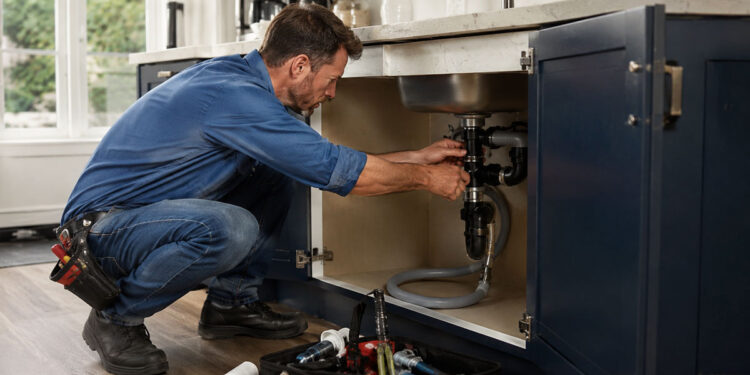
Most homeowners do not think much about the plumbing under their kitchen or bathroom sink—until something leaks, clogs, or becomes difficult to shut off. However, the under-sink area is one of the most useful places to make small plumbing upgrades that improve everyday convenience, reduce the risk of water damage, and make future maintenance much easier.
Whether you are planning a light bathroom refresh, replacing a faucet, or upgrading an older kitchen sink setup, a few practical plumbing improvements can make a big difference.
Start with Reliable Angle Stop Valves
Angle stop valves are the small shut-off valves usually located under the sink, where the water supply lines connect to the faucet. They allow you to turn off water to that specific fixture without shutting off water to the whole house.
If your angle stops are old, stiff, corroded, or difficult to turn, replacing them is a smart upgrade. A working shut-off valve makes daily life easier because it gives you quick control during faucet repairs, hose replacements, or minor leaks. This is especially useful in kitchens and bathrooms, where sinks are used every day.
For many homeowners, a quarter-turn angle stop valve is easier to use than an older multi-turn valve. It opens and closes with a simple 90-degree turn, making shut-off faster and more reliable. Before buying, always check the connection size and type, such as compression, sweat, or threaded connections, to make sure the valve matches your existing plumbing.
Upgrade to Stainless Steel Braided Supply Hoses
Supply hoses connect your faucet to the hot and cold water lines. Older rubber or plastic supply lines can become brittle over time, while low-quality hoses may be more prone to wear. Stainless steel braided supply hoses are a popular upgrade because they are flexible, durable, and easier to position inside a tight cabinet.
A good braided hose can also make faucet replacement simpler. Instead of struggling with rigid lines or awkward angles, flexible hoses help create a cleaner connection from the shut-off valve to the faucet inlet.
When choosing supply hoses, pay attention to length and connector size. A hose that is too short can create stress at the connection points, while one that is far too long may loop awkwardly inside the cabinet. The right length should allow a gentle curve without sharp bends or pulling.
For homeowners and DIY renovators looking for compatible under-sink plumbing parts, stores like PlumbingSell make it easier to compare valves, hoses, fittings, and other plumbing supplies in one place.
Check the P-Trap Before Problems Start
The P-trap is the curved drain pipe under the sink. Its job is to hold a small amount of water that blocks sewer gases from coming back through the drain. It also catches debris that may accidentally go down the sink.
Over time, P-traps can loosen, crack, clog, or become misaligned, especially if the sink or vanity has been changed. If you notice slow drainage, odors, water stains, or signs of corrosion, it may be time to inspect or replace the trap.
A properly installed P-trap should have secure connections and a smooth drain path. In bathroom sinks, hair and soap buildup are common issues. In kitchen sinks, grease and food particles can cause slow drainage. Choosing a quality P-trap and making sure it is accessible can make cleaning and maintenance much easier later.
Make Faucet Connections Easier to Access
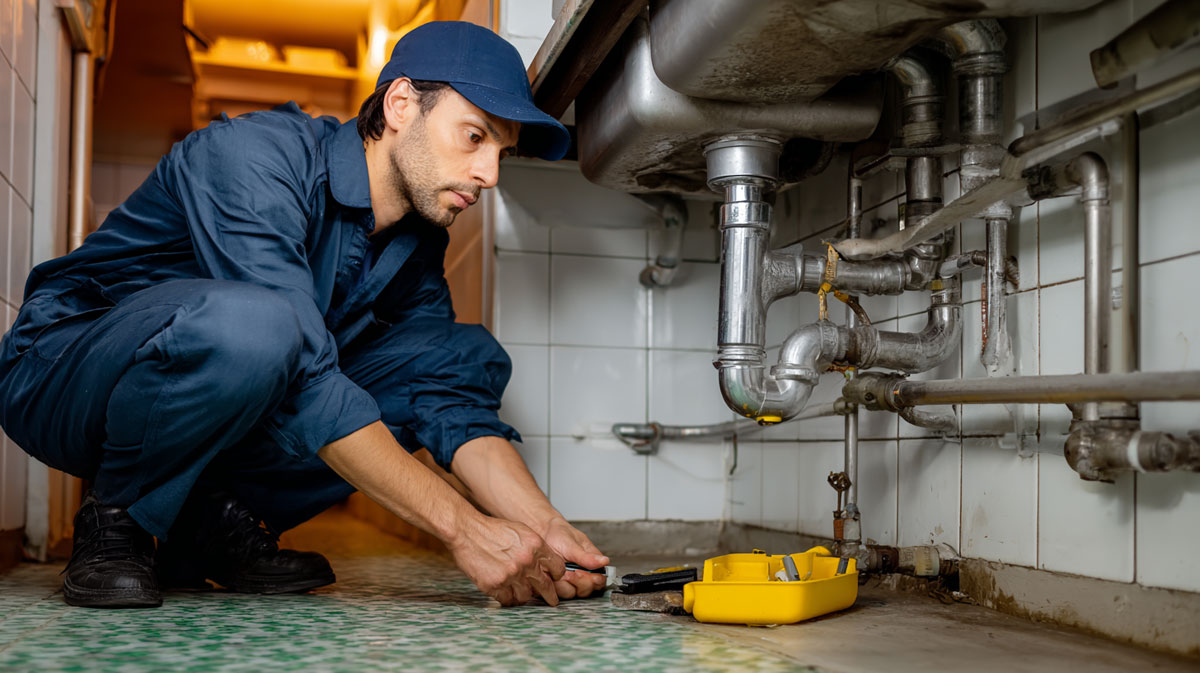
One common mistake during sink upgrades is creating a setup that works but is difficult to service. Under-sink cabinets are already tight spaces, so every connection should be planned with access in mind.
When replacing a faucet, check whether the supply hose connections, mounting nuts, and shut-off valves can be reached without removing half the cabinet contents. If the faucet connections are hidden behind the drain assembly or pressed too close to the wall, future repairs become much more frustrating.
A cleaner layout also helps with leak checks. After any faucet or supply line upgrade, you should be able to visually inspect each connection. This makes it easier to spot small drips early before they damage the cabinet base.
Focus on Leak Prevention
Under-sink leaks are often small at first, but they can cause serious damage if ignored. Water can soak into cabinet wood, flooring, drywall, and nearby storage items. The best way to prevent this is to use reliable parts, avoid over-tightening connections, and check the system after installation.
Key areas to inspect include the angle stop valve connection, the supply hose ends, the faucet inlet connections, the drain tailpiece, and the P-trap joints. After turning the water back on, run both hot and cold water, then wipe each connection with a dry paper towel. Even a small damp spot can reveal a slow leak.
It is also a good idea to recheck the area after a few hours and again the next day. Some leaks only appear after pressure changes or repeated use.
Keep Maintenance Simple
A well-planned under-sink setup should be easy to shut off, easy to inspect, and easy to repair. That does not mean you need a complicated upgrade. In many cases, replacing old angle stop valves, installing better braided supply hoses, and refreshing the P-trap are enough to make the space more reliable and user-friendly.
Keeping a few basic replacement parts on hand can also save time. Homeowners who frequently handle small repairs may want to keep spare supply hoses, washers, fittings, or drain components available. For a wide range of practical plumbing repair and renovation parts, PlumbingSell is a helpful source for under-sink upgrades and general plumbing supplies.
Final Thoughts
Under-sink plumbing upgrades may not be the most visible part of a kitchen or bathroom renovation, but they are among the most useful. Reliable shut-off valves, flexible braided hoses, properly fitted P-traps, and accessible faucet connections can make daily use smoother and future maintenance much less stressful.
By planning these details before problems happen, homeowners can reduce leak risks, simplify repairs, and create a cleaner, more dependable plumbing setup under every sink.