Is it More Cost-Effective to Lease an Electric Car?
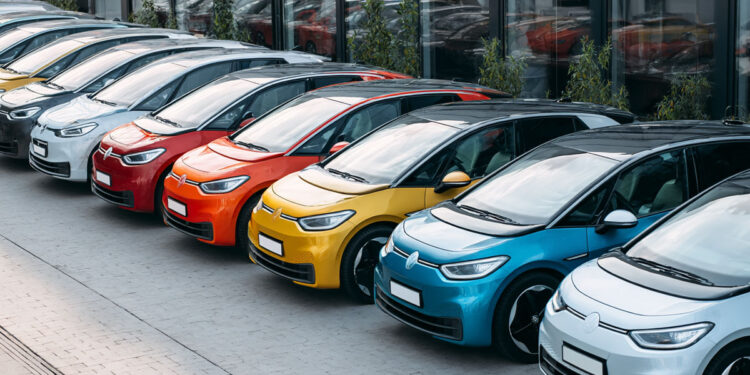
UK roads have seen a significant increase in the number of electric vehicles (EVs) over the past few years. This significant upsurge in popularity is driven by increasing environmental awareness, government incentives, and technological advancements that improve electric vehicle performance. However, EVs are pricey to purchase, and can be expensive to maintain. As such, many people are wondering whether it’s more cost-effective to lease an electric car. The answer to this question depends on several factors, and understanding them can guide you towards making an informed decision.
Lease Deals on Electric Cars
Recently, there’s been a rise in the number of competitive lease deals on electric cars, which makes leasing both more attractive and, in many ways, more convenient than purchasing. Leasing an EV often offers a lower upfront cost than purchasing, along with the prospect of lower monthly payments, particularly when opting for a Personal Contract Hire (PCH) deal. One of the greatest virtues of leasing is the flexibility it offers, allowing you to upgrade to a newer model more frequently. This can be particularly appealing, given the rapid pace of development in EV technology and the drive to produce longer-range models.
Understanding the Costs of Leasing
However, while EV lease deals may initially appear cost-effective, they are not without expenses. These include monthly rental fees and potential extra charges at the end of your lease term for excessive mileage or damage beyond normal wear and tear. The cost can also increase substantially if you choose to buy the vehicle at the end of the lease term. It’s essential to consider these costs and ensure the lease agreement aligns with your usage habits and budget constraints before making a decision.
Depreciation: a Major Factor
Depreciation is one of the major factors making leasing an attractive option for many EV enthusiasts. As technology evolves, today’s state-of-the-art EVs might become obsolete more quickly, leading to higher depreciation rates than conventional cars. If you own an EV, this depreciation could significantly diminish the vehicle’s resale value. However, if you lease, the financial risk of depreciation falls to the lease company, making this a potentially cost-effective option.
Operating Costs of Electric Vehicles
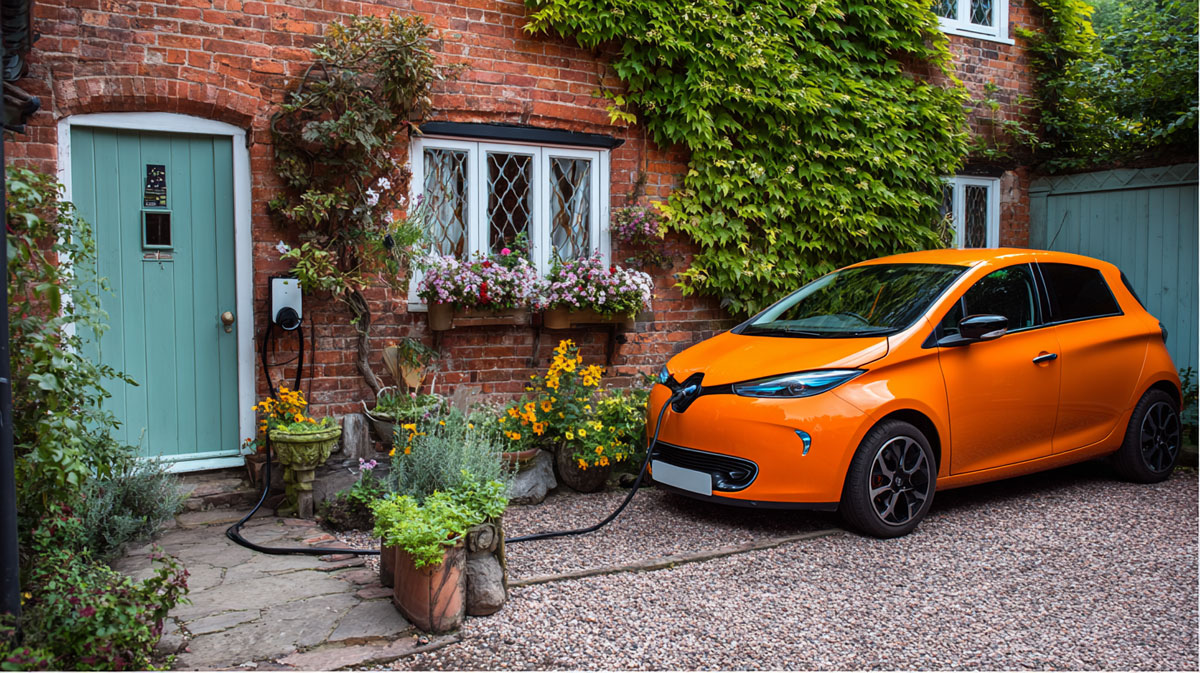
Whether leasing or buying, driving an EV can provide significant savings in operating costs compared to a petrol or diesel car. Charging an EV can offer considerable savings in fuel costs, especially if it is charged primarily at home overnight, when electricity rates are typically cheaper. Further, EVs often require less maintenance than their petrol counterparts, saving on servicing costs. These savings could potentially offset higher monthly lease payments, making leasing a more attractive proposition.
Examining Government Incentives
The UK government’s commitment to reducing carbon emissions has led to a number of incentives for EV drivers. These include the Plug-In Car Grant, which reduces the purchase price of EVs, and the Electric Vehicle Homecharge Scheme, which provides grants towards the cost of home charging points. When leasing, these incentives go to the lease provider rather than the driver, meaning, in effect, you could be paying for benefits you do not directly receive.
Deciding What’s Best for You
If you’re ditching your old car and considering going electric, whether it’s more cost-effective to lease an electric car depends on your individual circumstances. If you enjoy driving the latest model, anticipate driving many miles, or are concerned about potential rapid depreciation, a lease deal could be a more cost-effective choice. However, if you plan to hold onto the car for a long time and take advantage of government incentives, purchasing could be a better option.
When deciding, factor in all the costs related to owning and leasing, including depreciation, servicing, insurance, and how they fit within your personal budget and lifestyle, before making an informed choice. Remember, there’s no one-size-fits-all answer — what’s most cost-effective will differ for everyone.