The Appeal of Low-Effort Gardening for Busy Lives
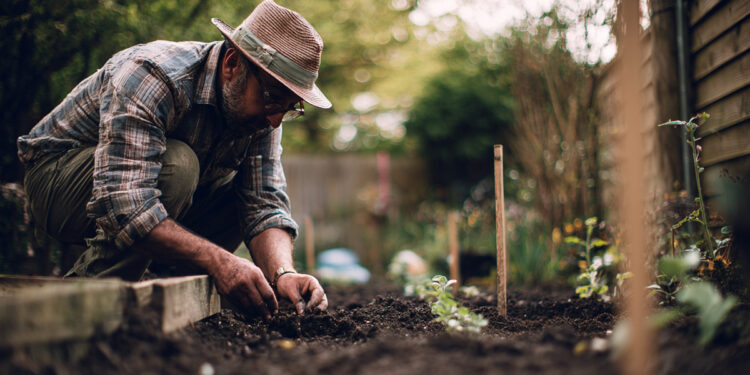
For a lot of people life is constantly busy and can make your schedule feel constantly full. This can leave little room for hobbies that demand time and energy. Gardening can feel like a large commitment that was once associated with long afternoons and careful planning is now being reshaped into a much simpler and flexible hobby. For those with limited time, starting with vegetable seeds can offer a low-pressure way to reconnect with nature and start a new hobby.
Low-effort gardening is not about achieving perfect results or producing large harvests. It is about finding enjoyment in small moments and allowing gardening to fit around real life.
Gardening That Fits Around Everyday Routines
Traditional ideas of gardening often come with the expectations of regular maintenance and a large commitment. For busy people this can feel completely unrealistic, whereas low-effort gardening works because it adapts to busy routines rather than interrupting them.
A few pots on a balcony, a small patch of garden or even a windowsill can be enough to start your own place to start. Gardening activities like watering plants before work or fertilising plants in the evening becomes second nature and a part of your routine. Having a sense of flexibility around gardening feels manageable instead of overwhelming. Understanding the odd weekend dedicated to your gardening doesn’t have to be the reality of having a great outdoor space.
Letting Go of “Doing It Properly”
One of the biggest barriers to gardening is the idea that there is a correct way to look after your space. With endless advice, schedules and techniques can make it seem excessively complicated for a relaxing hobby.
Low-effort gardening encourages a different mindset. It accepts that plants may not always thrive and that some attempts will work better than others which is all a part of the experience. Removing any pressure to meet a standard that is set in your mind.
By letting go of the need for perfection in your gardening means that it becomes a far more enjoyable and relaxing pastime.
Small Actions, Gentle Rewards
Low-effort gardening is built on small actions. Watering a pot and then seeing new growth or adjusting a plant’s position may take only a minute but these moments can be surprisingly satisfying.
Watching something grow slowly offers a sense of progress that feels calm rather than urgent. It provides a welcome break to digital tasks that demand immediate responses.
Gardening as a Pause, Not a Chore
For busy people, hobbies can quickly begin to feel like obligations. When really gardening can be kept simple and create a pause from life rather than another task.
Spending a few minutes outdoors no matter what you are doing from exercise to just breathing the fresh air, nature offers mental space. There is no screen or noise to overwhelm the senses especially if you spend your day at a computer. This makes low-effort gardening appealing as a way to unwind without need for preparation or planning. You can just step outside and start pottering based on what you see and feel your plants need with no end goal or check list in mind.
Making the Most of Your Space
Low-effort gardening works best when it suits the space available. Whether it is a small garden, a balcony or an indoor area, keeping things manageable for your space is key.
Rather than trying to grow as much as possible, the focus is on what feels comfortable to maintain. Fewer plants usually mean less work and more enjoyment. Positioning plants where they receive natural light or using containers that retain moisture can reduce maintenance further. This approach keeps gardening sustainable and with a few small investments like Self-watering globes can help your plants take care of themselves. This can take some trial and error in finding the right spot for your plants to thrive and the correct fertiliser or pot for them but it massively reduces the reliance of care on a regular basis.
What to Grow in Different Spaces for a Low-Effort Garden
Choosing the right plants for the space you have is one of the easiest ways to keep gardening low effort. Some plants naturally cope better with irregular watering, limited space or changing light, making them ideal for busy lives.
Windowsills and Indoor Spaces
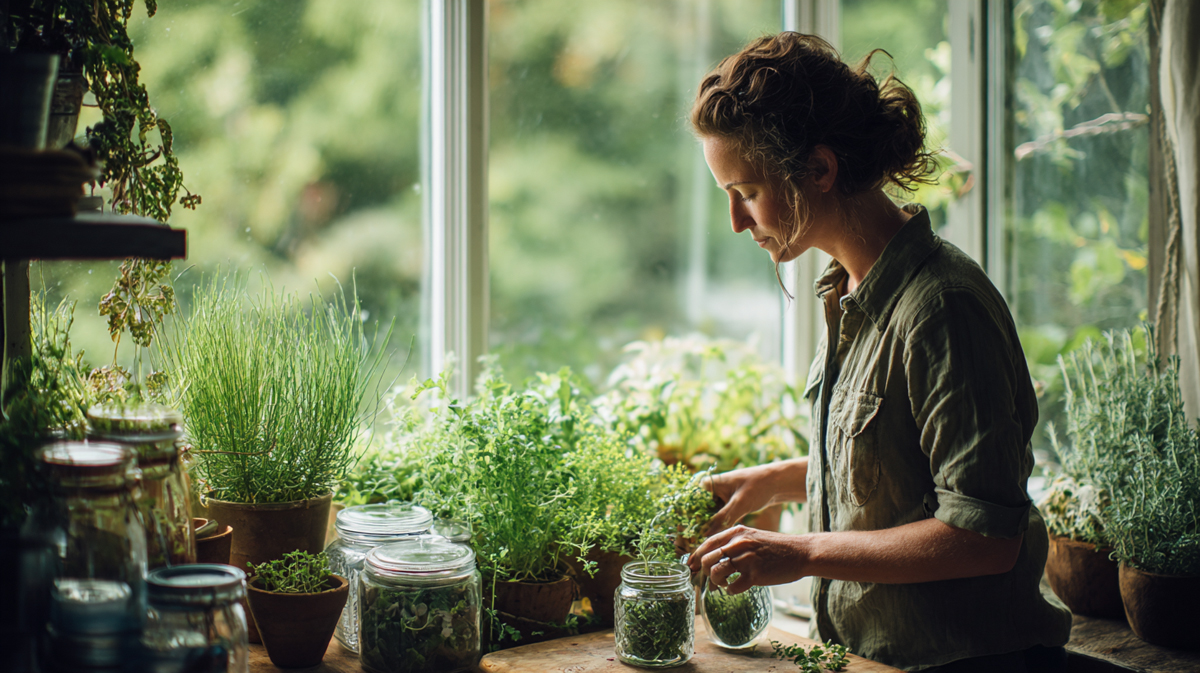
Indoor growing works best with plants that are forgiving and slow-growing. Herbs such as basil, chives and mint can thrive on a sunny windowsill and only need occasional watering. They also offer the added reward of being useful in everyday cooking.
For something even lower maintenance, spring onions can be regrown from shop-bought roots in a glass of water, requiring minimal effort. Leafy greens like baby spinach or cut-and-come-again lettuce can also be grown indoors with natural light and harvested gradually rather than all at once.
Balconies and Patios
Balconies are ideal for container gardening, which naturally limits the amount of work involved. Cherry tomatoes and chilli plants are well suited to pots and thrive with sunlight and occasional feeding. Once established, they require little attention beyond watering.
Herbs such as rosemary, thyme and oregano are particularly low maintenance on balconies, as they prefer drier soil and can tolerate being slightly neglected. Strawberries are another easy option, growing well in hanging baskets or containers and returning year after year with minimal effort.
Small Gardens or Raised Beds
In small outdoor spaces, choosing plants that grow quickly or require little intervention can keep gardening enjoyable. Courgettes and runner beans are productive without needing constant attention, while potatoes grow well in bags or containers and largely take care of themselves once planted.
Perennial herbs such as sage, mint and chives are ideal for low-effort gardens because they return each year without replanting. Salad leaves are also a good choice, as they can be harvested a little at a time rather than all at once.
Shady or Low-Light Areas
Not all gardens are blessed with full sun, but that doesn’t mean they can’t be productive. Lettuce, rocket and spinach tolerate partial shade and grow quickly with little fuss. Parsley and coriander also cope well with lower light levels and don’t demand much care.
For ornamental low-effort options, ferns or shade-loving flowers can add greenery without regular maintenance, helping the space feel cared for even when time is limited.
Containers for Flexibility
Containers offer one of the easiest ways to garden with minimal effort. They can be moved to catch sunlight, brought indoors during bad weather or grouped together to make watering quicker. Dwarf vegetables, herbs and compact fruit plants are all well suited to this approach.
Using larger pots helps soil retain moisture, reducing how often watering is needed. Pairing containers with self-watering systems or moisture-retaining compost further supports a low-effort setup.
Why Low-Effort Gardening Works
Low-effort gardening respects modern life rather than fighting it. It acknowledges busy schedules, small spaces and changing routines.
By keeping expectations low and focus gentle, gardening becomes something that adds calm rather than stress. It offers moments of connection and quiet satisfaction without demanding much in return.
For busy lives, that balance is exactly what makes low-effort gardening so appealing.