The 2026 Pub Report: Analyzing the New Digital Leisure Economy

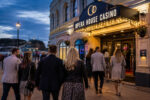
The pub has always been more than a place to drink. A local pub was a local meeting point where people would meet to watch sport, argue confidently, meet friends, complain about prices and the general hangout place, sometimes the only one in the village. What has changed is the screen on the table. The one being used to check team news, split the bill, follow live stats, order food, scroll clips, compare odds, play a quick game, or message the friend who is still “five minutes away.” The pub is still physical, but the night around it has gone digital.
The Pub Became A Second Screen Room
A football match in a pub used to mean everyone watched the same thing at roughly the same time. That still happens, but now half the room is also watching something else. Someone is checking player markets. Someone is following another match. Someone is in a group chat arguing about a penalty. Someone is watching a replay before the pub TV has shown it properly. It can look antisocial, but the phone has become a big part of how people interact with the environment. It adds context, jokes, stats, clips and side conversations while the main event is happening. The pub has not been replaced by digital leisure. It has absorbed it.
Leisure Is Now Split Into Small Moments
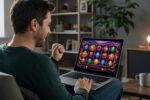
People do not always sit down for one big block of entertainment anymore. They dip in and out. A few minutes before friends arrive. A quick check during halftime. A game while waiting for food. A scroll through clips after the final whistle. That is why the evolution of leisure and recreation now includes game and entertainment platforms that are built for short sessions, filled with quick decisions and sometimes make easy returns. Online casino pages, sports apps, live-score tools, streaming clips and social games all sit inside the same wider behaviour: people want entertainment they can enter fast and leave just as fast. The old idea of leisure was more separated. You went to the pub, watched television, or played a game. Now people do all three in the same hour.
The Social Part Still Matters
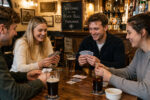
Digital leisure has not killed the social side. If anything, it has made some nights louder. People share screens, compare picks, show clips, laugh at bad takes, check what other friends are doing and pull online arguments into real conversations. A pub table can now carry three layers at once: the people sitting there, the match on the wall and the digital noise around it. Messy, yes, but normal now.
Pubs Are Adapting Quietly
A lot of pubs do not talk about the digital leisure economy, but they are already built around it. Better Wi-Fi. More screens. QR menus. App bookings. Cashless payments. Charging points if they are smart. Big match nights promoted through social media rather than posters in the window. Even the way people choose a pub has changed. They check photos, reviews, menus, match schedules and location pins before they arrive. A pub can lose a customer before that person has even walked past the door. Old leisure spaces still need atmosphere, service and the feeling of a good room. Now they also need to make sense on a phone.
The New Economy Is Hybrid
The future of leisure is not purely digital. People still want the company, food, sport, music and places that they can hang out in and that is what makes people feel alive. But they also want the convenience and choice that digital platforms give them. That is why the pub remains useful as a symbol. The old world has not disappeared. It has been layered with apps, games, stats, clips, payments and constant connection. A night out is no longer just a night out. It is a live event, a group chat, a match feed, a content stream and sometimes a small gaming session in between. The pub survived television. It survived streaming. It will probably survive the phone too. Now it is part of it.