Living in a Tuscan Village: Dream or Reality?
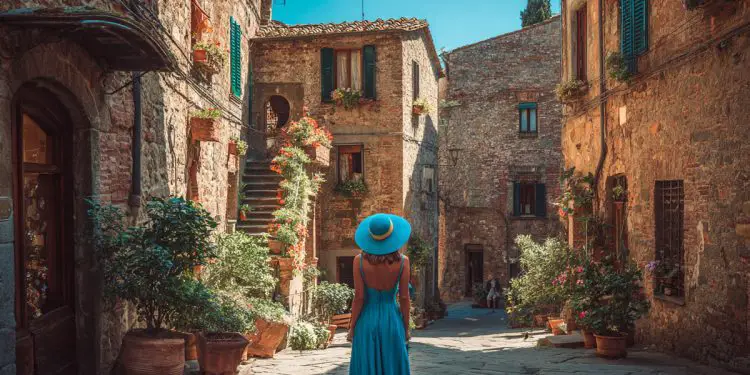
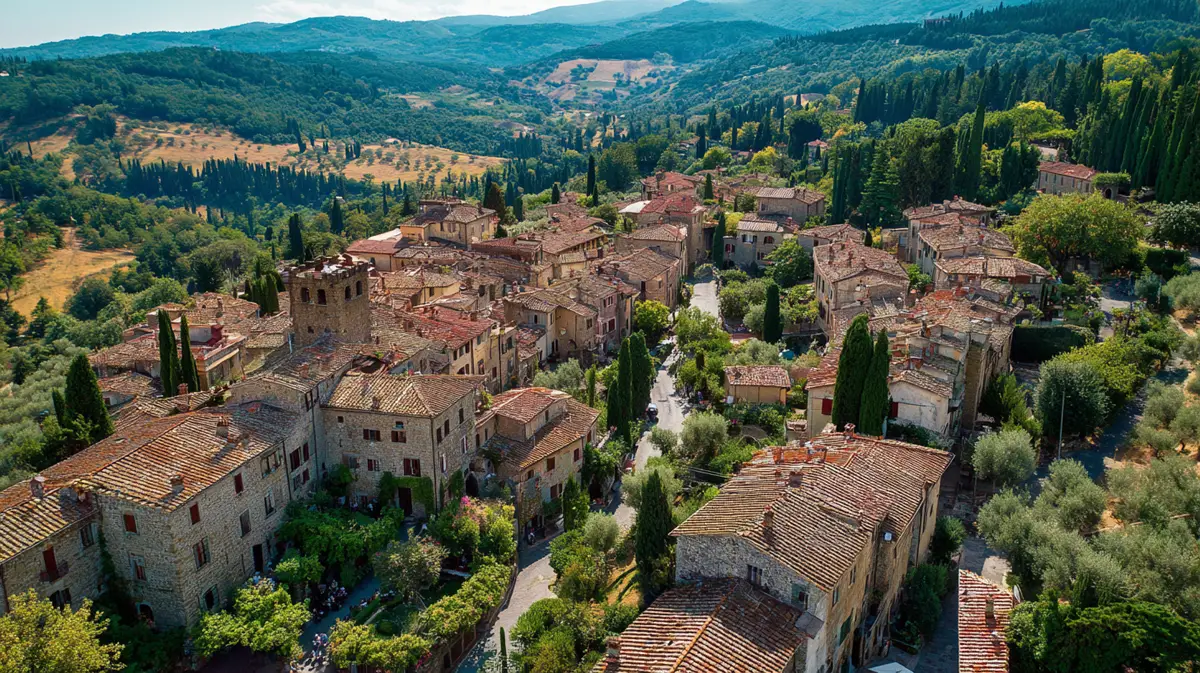
Buying a second home in Tuscany continues to exert a strong appeal for many buyers. The medieval villages, with their small squares and stone streets, offer an atmosphere that feels suspended in time, yet remains connected to art cities and major airports. Before making a purchase, it’s always advisable to carefully analyze the market in this Italian region, as well as the regulations and management costs, to turn a pleasant idea into a solid and sustainable investment.
The context of villages in Tuscany
Looking for property for sale in Tuscany means entering a diverse market, characterized by stone buildings, Renaissance constructions and small rural complexes. The supply primarily includes homes to renovate or already restored properties that retain exposed wooden beams and terracotta floors.
Demand comes from families seeking peace in beautiful locations, professionals working remotely and investors targeting quality tourism. Prices vary based on size, accessibility and the level of services in each village: for example, an 80-square-meter apartment in Val d’Orcia may cost twice as much as a comparable one in a less-visited Apennine valley.
Buildings often follow traditional construction techniques: load-bearing stone walls, wooden floors and clay tile roofs.
Legal and tax requirements to consider
The sale contract is concluded before a notary, a figure who verifies ownership, mortgages and urban compliance. It’s customary for foreign residents to open a bank account in Italy to facilitate the payment of taxes and utilities.
From a tax perspective, the buyer pays either the registration tax or VAT, depending on whether the seller is a private individual or a company, plus mortgage and cadastral taxes. During the planning stage, it’s useful to involve a consultant to assess possible deductions related to energy-saving upgrades or restoration work.
Many Italian banks offer mortgages with an average down payment of 30% of the appraised value. The applicant must present certified income documents. The approval process typically takes around eight weeks.
Ongoing management, services and infrastructure
After the purchase, the owner is responsible for paying the IMU, due on second homes and the TARI for waste disposal. IMU is calculated based on the revalued cadastral income, with the rate set by the local municipality: in smaller towns, the cost can be low, but it’s important to check the local rate.
You should also account for electricity, water and extraordinary maintenance. In stone buildings, it’s recommended to conduct regular roof inspections, monitor for dampness and perform structural checks after heavy rainfall.
As for public transportation services, the distance from the nearest train station or highway exit affects the convenience of travel. Before purchasing, it’s useful to assess the presence of healthcare facilities, nearby supermarkets and safe road access during winter months.
Temporary residents can use the national healthcare system. Families with school-age children must consider the distance to international schools or institutions with bilingual programs, which are more widely available in the areas of Florence, Siena and Lucca.
Mid-term financial assessment
Tourist rentals, permitted upon notifying the local municipality and registering guest stays, can generate attractive income, especially during the high season, which draws visitors from all over the world.
Net annual returns range between 3% and 6%, depending on the location and the quality level of the property or countryside villa. In mountain municipalities, grants often provide IMU reductions or non-repayable contributions for the restoration of abandoned buildings, provided that traditional materials and techniques are used.
The village property market, in terms of average resale times, typically involves waiting periods of around 12 to 18 months. However, the patient investor can benefit from steady foreign demand, which offsets the low price volatility.