Winter Ready Homes Without the Cold Floors

Cold floors are one of the most common comfort issues in UK homes during winter. Even when heating is running, floors can remain unpleasantly cold, particularly in kitchens, bathrooms, and older properties. This often leads to higher thermostat settings and increased energy use without delivering the warmth people expect.
Floor temperature plays a key role in how warm a room feels. When heat is concentrated higher up, comfort at ground level is reduced. Modern heating approaches focus on improving warmth where it matters most, creating consistent comfort without relying on excessive heat output. Understanding how floor-level heating works helps homeowners make informed decisions about improving winter comfort while maintaining efficiency.
Why Cold Floors Are Still Common in British Homes
Cold floors remain an issue across the UK due to a mix of building age, construction methods, and flooring materials. Many homes were built before insulation standards were introduced, leaving solid floors with little or no thermal protection beneath them. Heat loss through the ground is particularly noticeable during colder months.
Flooring materials also affect how cold a surface feels. Tile and stone floors, while practical and durable, naturally draw heat away from the body. Timber and laminate feel warmer but still lose heat quickly if insulation is lacking. Radiator-based systems heat air rather than surfaces, meaning warmth rises while floors stay cool.
This imbalance is especially noticeable in period properties. Solid floors, high ceilings, and traditional layouts make it difficult for heat to settle evenly. Improving floor level warmth helps resolve this imbalance by delivering heat where it is most effective.
How Floor Level Heating Improves Comfort
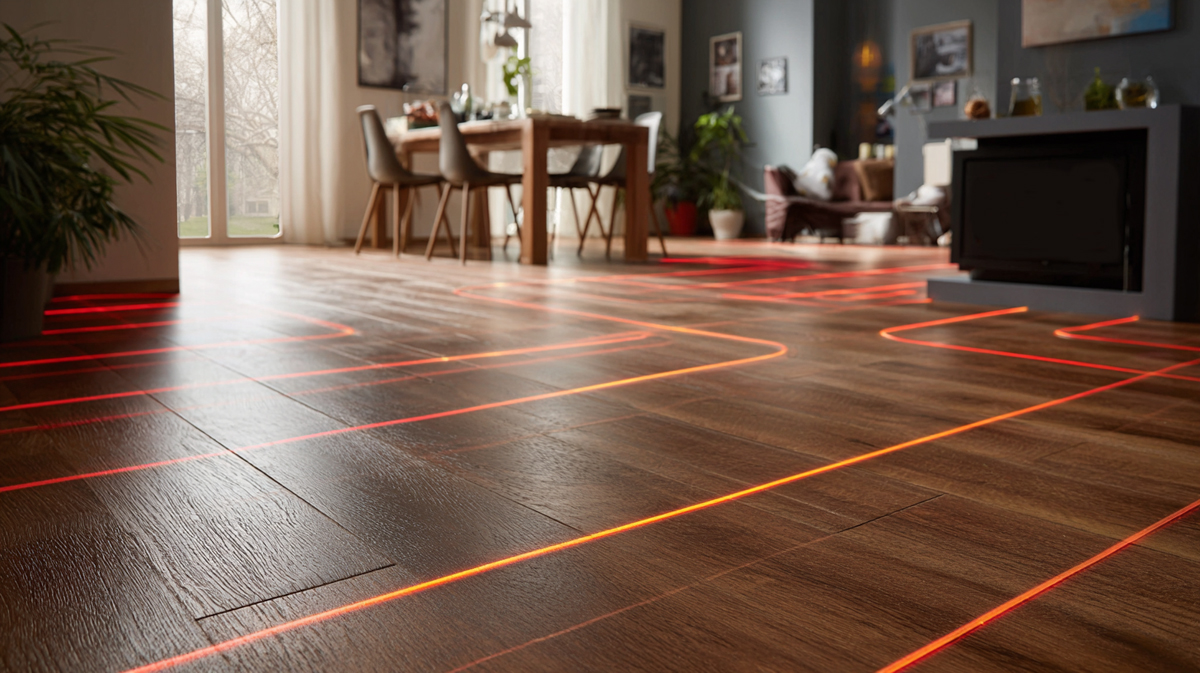
Floor-based heating systems warm the surface directly, creating a more even temperature across the room. This method reduces cold spots and eliminates the sensation of stepping onto icy floors in winter. Heat rises gently from the ground, improving overall comfort without overheating the space.
Many homeowners now consider electrical underfloor heating as a practical solution because it integrates well with modern flooring and renovation projects. It allows rooms to feel warmer at lower air temperatures, which can improve comfort without increasing energy demand. The steady warmth it provides is particularly noticeable in rooms where people spend time standing, such as kitchens and bathrooms.
When installed correctly, this type of heating works quietly in the background, supporting the main heating system or acting as the primary heat source in smaller spaces.
Types of Electric Floor Heating Systems
Electric floor heating systems generally fall into two categories. Heating mats and loose cable systems. Mats are pre spaced and attached to a mesh backing, making them easier to install in rooms with straightforward layouts. They are commonly used in kitchens, bathrooms, and hallways where floor shapes are predictable.
Loose cable systems offer greater flexibility. They are ideal for irregular spaces, curved layouts, or rooms with fixed fixtures that require careful spacing. Although installation takes longer, they allow precise control over heat distribution.
Both systems work well under popular floor finishes such as tile, stone, laminate, and engineered wood when paired with a suitable underlay. Correct product selection ensures heat transfers efficiently without damaging flooring materials.
Installation Considerations Across Different Rooms
Bathrooms require additional planning due to moisture exposure. Waterproofing layers are essential before installing heating elements. Electrical connections must comply with UK safety regulations and utilise suitable protection. Smaller bathrooms often benefit from mat systems that fit neatly around fixtures.
Living rooms and open plan spaces present different challenges. Zoning becomes important to prevent wasted energy. Heating only the areas in use improves efficiency and comfort. Furniture placement should also be considered, as large, solid items can restrict heat flow if placed directly over heated areas.
Rooms with large windows or conservatories experience higher heat loss. These spaces benefit from higher output systems and effective insulation boards beneath the heating elements. Proper preparation ensures consistent warmth even in challenging conditions.
Retrofitting differs from new-build installation. Existing floors may need to be lifted, and insulation boards added to reduce heat loss. Although this requires planning, the long-term comfort benefits often justify the work involved.
Smart Controls and Energy Management
Modern control systems allow precise management of floor heating. Programmable thermostats enable users to set heating schedules based on daily routines. Smart controls add further flexibility, allowing remote adjustments through mobile devices.
Zoning offers significant efficiency benefits. Each room can be controlled independently, ensuring heat is only used where needed. This level of control reduces unnecessary energy use and improves comfort throughout the home.
Pre-programming heating times ensures floors are warm when rooms are in use. This avoids long warm-up periods and helps maintain steady temperatures without constant adjustments. Smart systems can adapt to seasonal changes, supporting efficient energy use throughout winter.
Maintenance and Long-Term Reliability
Electric floor heating systems are designed to operate reliably with minimal maintenance. With no moving parts, they require far less attention than traditional heating systems. Once installed, the heating elements are protected beneath the floor surface.
Most maintenance issues involve thermostats or sensors rather than the heating system itself. These components can usually be replaced without lifting flooring, making repairs straightforward if required.
Routine checks are minimal. Keeping thermostats clean and ensuring floor coverings remain intact is usually sufficient. Many systems come with long warranties, offering reassurance that the installation will perform reliably for years to come.
Creating a Warmer Home This Winter
Enhancing floor warmth can significantly improve the overall feel of a home during colder months. Thoughtful heating choices help reduce discomfort, support energy efficiency, and create spaces that feel welcoming throughout winter. Exploring floor-level heating options allows homeowners to address cold surfaces directly and enjoy consistent warmth where it matters most.