Why Plant-Based Protein Has Become So Popular in the UK and Ireland in Recent Years
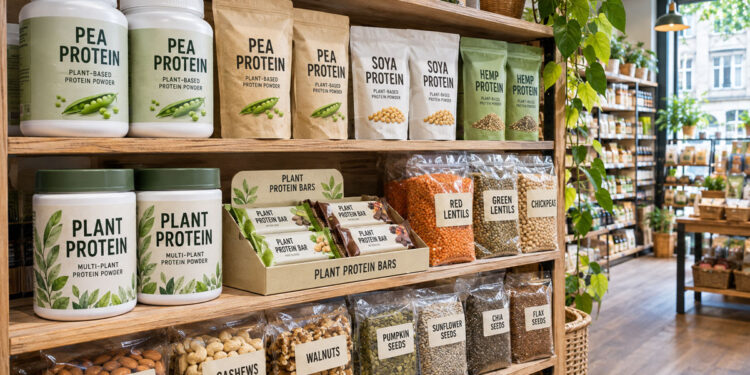
The shelves of British and Irish supermarkets tell a remarkable story of changing dietary habits. Where meat and dairy once dominated the protein aisles, plant-based alternatives now command substantial space, offering everything from pea protein shakes to soya-based ready meals. This transformation hasn’t occurred overnight, but rather represents a convergence of health consciousness, environmental awareness, and technological innovation that has fundamentally altered how people across the UK and Ireland think about protein.
The surge in plant-based protein consumption represents one of the most significant dietary shifts in recent British and Irish history. From major chains like Tesco and Sainsbury’s expanding their plant-based ranges to independent cafés offering oat milk as standard, the movement has permeated every level of food culture. Understanding why this shift has occurred requires examining the complex interplay of factors that have made plant-based protein not merely acceptable, but actively desirable to millions of consumers.
The Health Revolution
Perhaps the most compelling driver behind the plant-based protein boom has been a growing awareness of the health implications associated with dietary choices. Research linking excessive red and processed meat consumption to increased risks of heart disease, type 2 diabetes, and certain cancers has prompted many Britons and Irish citizens to reconsider their protein sources.
Plant-based proteins offer distinct nutritional advantages that resonate with health-conscious consumers. Legumes, nuts, seeds, and whole grains provide protein alongside fibre, vitamins, minerals, and beneficial phytochemicals—a nutritional package that animal proteins cannot match. The absence of cholesterol and typically lower saturated fat content in plant proteins has particularly appealed to those managing cardiovascular health.
The NHS and other public health bodies have increasingly emphasised the importance of plant-based foods in a balanced diet, lending institutional credibility to what might once have been dismissed as a fringe movement. This official endorsement has helped normalise plant-based eating, making it a mainstream health strategy rather than an alternative lifestyle choice.
Furthermore, concerns about antibiotic resistance linked to intensive animal farming have added another dimension to health-related motivations. Many consumers view plant-based proteins as a way to avoid potential exposure to antibiotic residues and hormones sometimes present in conventionally produced meat and dairy products.
Environmental Consciousness and Climate Change
The environmental argument for plant-based protein has become increasingly persuasive, particularly among younger generations deeply concerned about climate change. The UK and Ireland have witnessed growing public awareness of animal agriculture’s environmental footprint, including greenhouse gas emissions, deforestation, water consumption, and biodiversity loss.
Studies showing that producing plant-based proteins generates significantly fewer carbon emissions than animal protein production have resonated strongly with environmentally conscious consumers. A kilogramme of beef, for instance, requires vastly more land, water, and energy to produce than an equivalent amount of protein from lentils or chickpeas. For many Britons and Irish citizens seeking to reduce their carbon footprint, shifting towards plant-based proteins represents one of the most impactful individual actions available.
The concept of “climate-friendly eating” has gained substantial traction, with media coverage regularly highlighting the environmental benefits of reducing animal product consumption. High-profile documentaries and campaigns have brought these issues into living rooms across the UK and Ireland, transforming abstract environmental concerns into concrete dietary decisions.
Ireland’s agricultural heritage and the UK’s farming traditions add complexity to this conversation, yet even within farming communities, recognition is growing that diversification towards plant-based agriculture may prove economically and environmentally necessary in the face of climate targets and changing consumer preferences.
Animal Welfare Considerations
Ethical concerns regarding animal welfare have long motivated vegetarian and vegan choices, but these considerations have reached a broader audience in recent years. Increased transparency about industrial farming practices—sometimes through undercover investigations and documentaries—has troubled many consumers who previously gave little thought to the origins of their protein.
The UK and Ireland have strong traditions of animal welfare concern, reflected in organisations like the RSPCA and public attitudes towards pet keeping and wildlife. This existing sensitivity has extended to farm animals, with many consumers experiencing cognitive dissonance between their affection for animals and their dietary habits.
Plant-based protein offers a resolution to this discomfort, allowing people to align their eating habits with their values without sacrificing protein intake. The rise of “flexitarianism”—reducing rather than eliminating animal products—has proven particularly popular, enabling people to make welfare-conscious choices whilst maintaining dietary flexibility.
Technological Innovation and Product Development
The explosion in plant-based protein popularity would not have occurred without parallel innovations in food technology. Early plant-based products often suffered from poor taste, unappealing texture, and limited availability. This has changed dramatically.
Companies like Beyond Meat, Impossible Foods, and UK-based firms such as THIS and Meatless Farm have revolutionised plant-based protein products, creating items that convincingly replicate the taste, texture, and cooking properties of meat. These innovations have made plant-based eating accessible to those unwilling to compromise on culinary enjoyment.
Protein extraction and processing technologies have advanced considerably, enabling manufacturers to create high-quality protein products from peas, soya, hemp, and other plant sources. These proteins can be incorporated into everything from burgers and sausages to protein powders and nutritional supplements, offering versatility that appeals to diverse consumer needs.
Investment in the plant-based sector has accelerated product development, with major food corporations acquiring or launching plant-based brands. This corporate involvement has brought substantial resources, distribution networks, and marketing expertise to the sector, dramatically increasing product availability and visibility.
Cultural Shift and Social Acceptance
The social dimension of the plant-based protein movement cannot be overlooked. What was once considered unusual or restrictive has become fashionable and socially acceptable, even aspirational in certain circles.
Celebrity endorsements, influencer marketing, and social media have normalised plant-based eating, particularly among younger demographics. High-profile athletes demonstrating that plant-based diets can support peak performance have challenged stereotypes about protein requirements and masculinity.
Restaurants, pubs, and cafés across the UK and Ireland have responded to demand by expanding plant-based menus, making it increasingly easy to maintain a plant-based diet whilst participating fully in social dining experiences. The quality and creativity of these offerings have transformed plant-based eating from a restrictive challenge into an exciting culinary adventure.
January’s “Veganuary” campaign has become a cultural phenomenon, encouraging millions to try plant-based eating for a month. Many participants continue with plant-based habits beyond January, contributing to sustained growth in the sector.
Economic Factors and Accessibility
Price considerations have played a dual role in plant-based protein’s popularity. Whilst premium plant-based products can be expensive, basic plant proteins like beans, lentils, and chickpeas remain among the most affordable protein sources available—an important consideration during periods of economic uncertainty.
Supermarket competition has driven down prices for many plant-based products, with own-brand ranges making plant-based eating more financially accessible. The economies of scale achieved through increased production have further improved affordability.
Looking Forward
The rise of plant-based protein in the UK and Ireland reflects a profound shift in how societies understand the relationship between food, health, environment, and ethics. What began as a niche preference has evolved into a mainstream movement reshaping agriculture, food manufacturing, and dining culture.
This transformation appears sustainable rather than transitory. The factors driving plant-based protein consumption—health concerns, environmental imperatives, ethical considerations, and improved products—show no signs of diminishing. If anything, these drivers are intensifying as climate change accelerates and health awareness deepens.
The plant-based protein revolution in the UK and Ireland demonstrates how consumer choices, technological innovation, and cultural change can converge to transform fundamental aspects of daily life. As this movement continues evolving, it promises to reshape not only what people eat, but how societies produce food, relate to animals, and address environmental challenges.