Yorkshire’s Enduring Love for Games and Pastimes
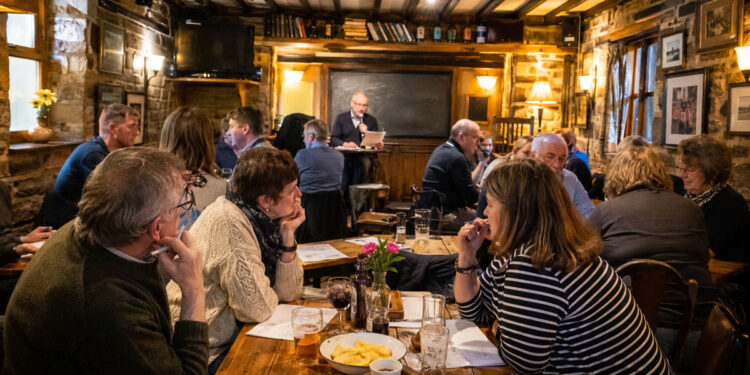
Many people today turn to a quick round of cards or a digital game after work to unwind, much as their ancestors sought similar moments of light-hearted competition and chance. This habit has deep roots in Yorkshire, where communities have long blended social interaction with elements of luck and skill. Over centuries the forms have shifted, yet the appeal remains consistent, and one modern expression of this tradition can be found through a casino site that brings familiar thrills into the home. Families still gather for board game nights or pub quizzes that echo the same desire for shared excitement, while workplaces sometimes organise informal competitions that keep the spirit alive during lunch breaks. These small rituals help people switch off from daily pressures and connect with others in ways that feel both familiar and comforting.
Medieval roots of communal play
Yorkshire’s earliest recorded leisure activities often took place in village halls or after harvest gatherings. People played simple board games carved from wood and wagered small items such as ale or cloth. These gatherings provided relief from daily labour while strengthening social bonds. Travelling minstrels sometimes introduced new variations that spread quickly across the ridings. Archaeological finds show dice made from animal bone, hinting at games that mixed skill with fortune. Such items appear in records from market towns like York and Wakefield, where traders and farmers alike paused for an evening’s amusement. The rhythm of work and rest shaped these habits, creating patterns that would echo through later centuries. Early Yorkshire documents reveal how even modest households kept sets of counters or marked boards for regular play, often passed down through generations as prized possessions. Seasonal festivals added extra layers of festivity, with temporary stalls offering chances to win ribbons or sweetmeats through simple throws or guesses. Neighbouring villages sometimes competed in friendly matches that drew spectators from miles around, turning ordinary evenings into lively spectacles that broke the monotony of rural life. Local customs also encouraged storytelling alongside the games, helping younger generations absorb the rules and strategies naturally. Such practices are also noted in early regional histories from the period.
Spa culture and refined gatherings
By the eighteenth century, Yorkshire’s spa towns had become centres for more structured leisure. Harrogate attracted visitors who combined taking the waters with evening card parties and assemblies. Historical records from Harrogate detail how these events mixed conversation, music and games of chance in elegant rooms. The Pump Room Museum archives describe how visitors from across the north dressed in their finest attire to enjoy whist or loo while discussing the latest fashions and gossip. These refined settings encouraged polite wagers that added a gentle thrill without offending social sensibilities. Musicians played in the background, creating an atmosphere where skill at cards could lead to new friendships or even advantageous introductions. Local residents often joined the seasonal influx, learning the rules of more sophisticated games that later filtered into everyday homes. Many of these details survive in the Pump Room historical records, offering a vivid picture of how leisure evolved among the gentry and middle classes alike.
Industrial communities and shared entertainment
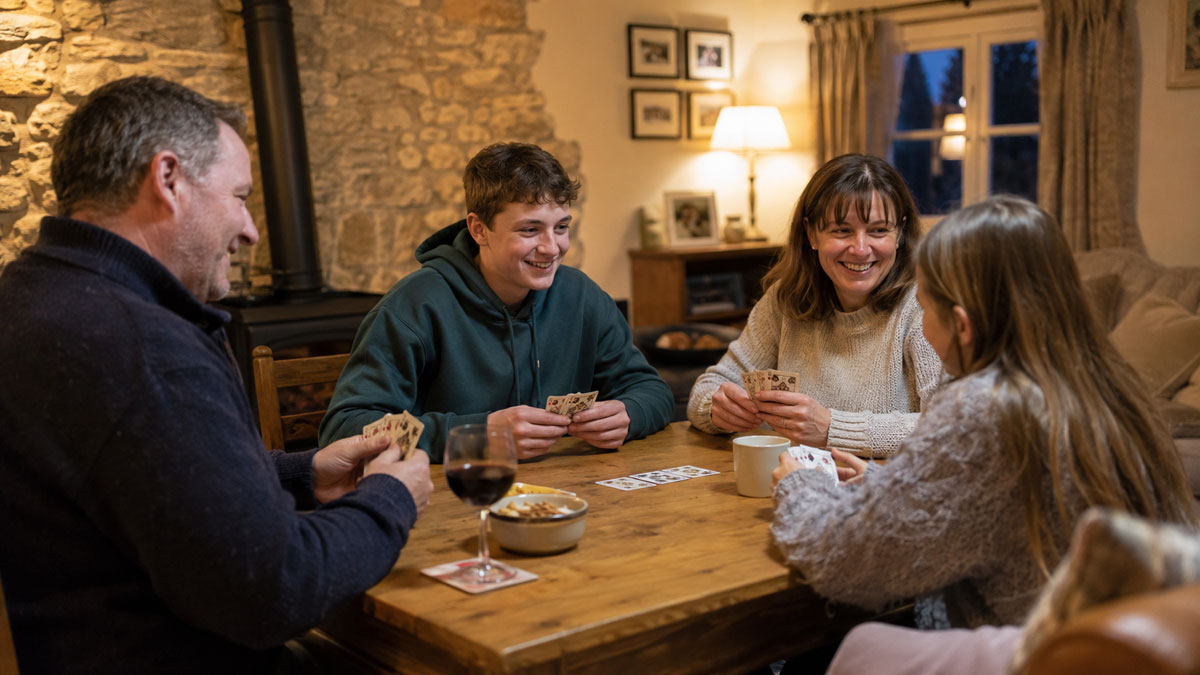
The nineteenth century brought factories and mills, yet leisure adapted rather than disappeared. Workers formed clubs where dominoes, darts and friendly wagers offered a break from the factory floor. In textile towns such as Halifax and Bradford, these groups met in pubs or temperance halls, keeping the spirit of communal gaming alive. Shift patterns meant that evening gatherings became essential outlets for camaraderie, with small stakes helping to fund the next round of drinks or a collection for a colleague in need. Women sometimes hosted separate sessions focused on simpler card games or dice, passing skills between mothers and daughters during rare moments of rest. These traditions helped maintain a sense of identity amid rapid urban change.
Post-war expansion of home-based fun
After the Second World War, television and radio brought new versions of quiz and game formats into Yorkshire living rooms. Families gathered around sets to watch shows that echoed older traditions of guessing and winning. At the same time, local fairs and markets continued to feature stalls with wheels of fortune and simple betting games that drew crowds on summer evenings. Studies of regional pastimes reveal how these decades saw leisure move between public events and private homes. Yorkshire’s industrial cities adapted quickly, blending inherited customs with emerging broadcast entertainment. Children learned traditional games from grandparents while also experimenting with new board games bought from catalogues, creating a lively mix that kept everyone entertained during long winter nights. Neighbours often swapped ideas for homemade versions of popular shows, extending the fun beyond the screen.
Digital shifts in recent decades
In the late twentieth century, computers and then smartphones introduced another layer. Residents began exploring online versions of classic games during commutes or quiet evenings. Accounts from the port city of Hull document how connectivity changed daily routines, allowing people to connect with others across the county while playing. Today the same impulse surfaces in apps and websites that recreate the excitement of earlier eras. Leisure patterns in Yorkshire shows how patterns established centuries ago continue to influence contemporary choices, whether through local events or screen-based alternatives. The story of Yorkshire leisure therefore stretches from medieval dice to modern digital options without losing its essential character. Each generation has found ways to enjoy the blend of skill, chance and company that first drew people together after a day’s work.