The Restorative Home: How to Design a Space Dedicated to Longevity and Calming the Modern Mind
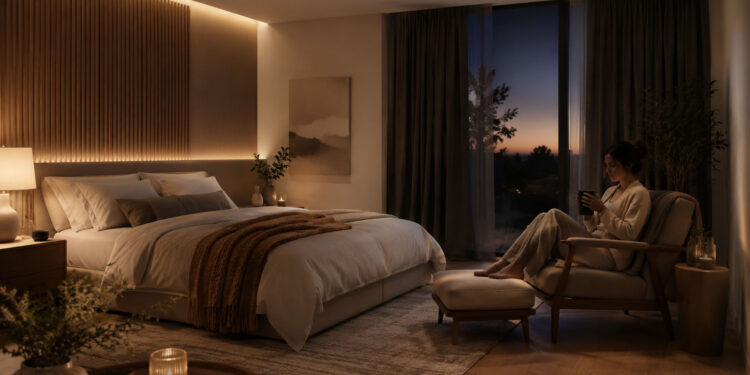
Modern life moves at a relentless pace. Between the constant digital buzz, demanding careers, and the balancing act of personal obligations, our homes are no longer just places where we sleep, they are the ultimate sanctuaries for performance-based recovery.
In recent years, the definition of home luxury has shifted dramatically. A beautiful space is no longer measured solely by its aesthetics or high-end furniture. Today, real value lies in how effectively your living space acts as a personal wellness studio restoring your physical health, mental clarity, and emotional equilibrium after a demanding day.
If you care about long-term well-being, treating your home as a tool for longevity is a serious priority. Here is how to thoughtfully design a restorative environment that eliminates friction, calms the nervous system, and actively supports your body’s natural healing processes.
The Architecture of Sensory Calming
Every design decision in your home sends a subtle cue to your nervous system. To transition from the high-stress fight-or-flight mode of modern work into a restorative state of rest, your surrounding environment needs to be intentionally curated.
Light, Tone, and Space
Neutral Palettes: Surrounding yourself with neutral tones, earth shades, and calming textures reduces visual noise and lowers cortisol production. The less your eyes have to work, the more your nervous system can unwind.
Circadian Lighting: Bright, blue-toned artificial light late in the evening disrupts our natural sleep cycles. Incorporating low-level, warm lighting and avoiding harsh screens at least one hour before bed signals the brain to begin its natural repair cycle, one of the most cost-effective longevity upgrades available.
Dedicated Quiet Zones: Establishing a specific area of the home strictly designated for unplugged relaxation or meditation helps build a powerful routine of calm. Over time, your mind learns to decompress the moment you step into that space.
Recovery as the Ultimate Fitness Goal
For years, wellness conversations revolved almost entirely around the intensity of our workouts or the strictness of our diets. Today, we understand that longevity starts with recovery. Performance drops, stress accumulates, and cellular health suffers when the body is not given the proper environment to rebuild.
True physical restoration happens when we optimize the baseline conditions of our body’s tissues and mind. While ergonomic seating, considered lighting, and somatic stretching routines address structural and mental fatigue, real biological longevity requires attention to what is happening at a cellular level too.
One area gaining quiet traction in wellness and longevity research is the role of copper peptides particularly GHK-Cu in supporting the body’s natural tissue repair processes. Originally studied in the context of wound healing and skin regeneration, GHK-Cu is now attracting broader interest for its potential role in cellular defence and anti-aging pathways. It represents the kind of research that sits neatly at the intersection of performance recovery and long-term health, exactly the philosophy a restorative home is built around.
Creating the Perfect Micro-Climate for Rest
A restorative home must also function as a climate that cooperates with the body’s natural thermal and postural needs. Small, thoughtful environmental upgrades can deliver an outsized impact on your daily energy levels and sleep quality.
Thermal Regulation and Foot Comfort
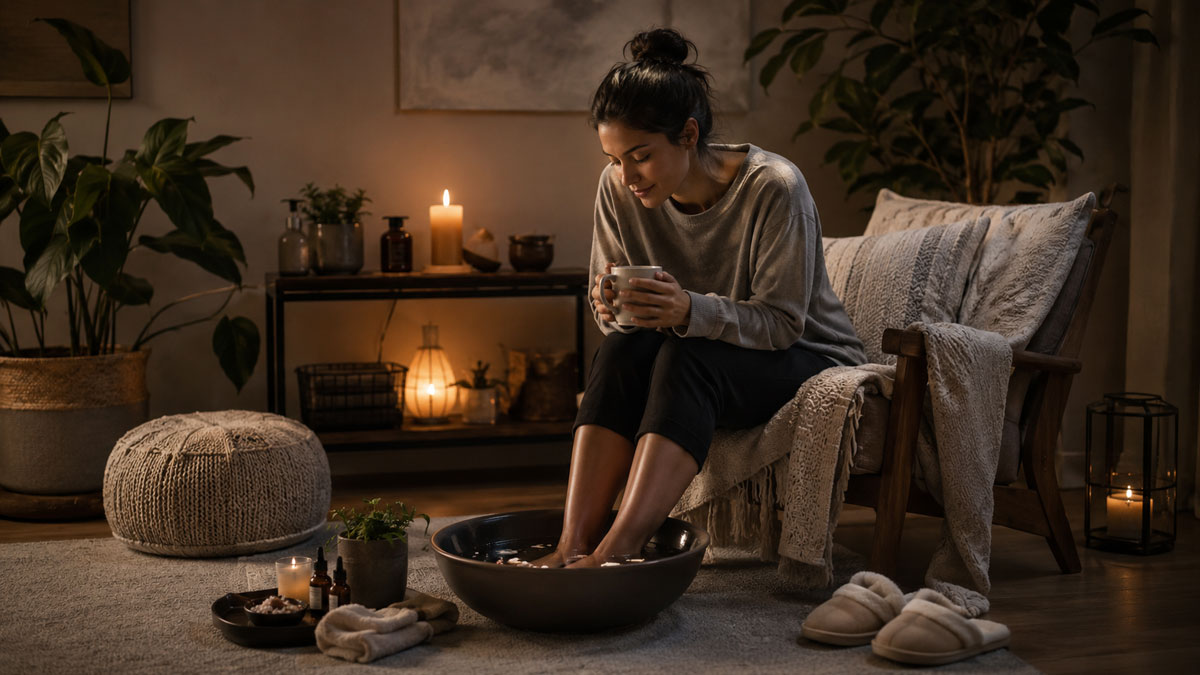
Many nighttime routines overlook the structural base of the body: the feet. Keeping them warm in the evening hour through a warm foot bath or supportive footwear promotes proper blood flow and circulation, helping to lower blood pressure and prepare the body for deep, restorative sleep.
Postural and Restorative Alignment
Investing in pillows and mattress profiles that properly support the head, neck, and spine eliminates physical tension and prevents localised pressure buildup overnight. When your posture is aligned, your body relaxes more completely, extending the duration of deep-wave sleep cycles where human growth factors and cellular regeneration peak.
The Pillars of Residential Longevity
A well-designed restorative home addresses three interconnected layers:
- Environmental Design blackout curtains, warm lighting, minimal clutter, and dedicated quiet zones that signal safety to the nervous system
- Somatic Decompression wellness seating, foot comfort, postural support, and intentional wind-down routines that release physical tension held throughout the day
- Cellular Restoration an emerging but compelling area of interest for those who take longevity seriously, encompassing sleep-driven repair, nutrition timing, and growing research into peptide science and cellular signalling
Each layer reinforces the others. Environmental calm supports better sleep; better sleep supports cellular repair; cellular repair supports energy, mood, and resilience the following day.
Frequently Asked Questions
What is the easiest way to start turning a bedroom into a wellness space?
Start by eliminating ambient light and sound. High-quality blackout curtains, calming scents like lavender, and keeping all digital devices outside the bedroom are low-cost, high-yield changes that establish a genuine environment for recovery and longevity.
How does reducing visual clutter affect physical health?
Clutter forces the brain to continuously process irrelevant visual stimuli, keeping stress hormones subtly elevated throughout the day. A minimalist, thoughtfully organised home allows the mind to rest directly translating to a lower resting heart rate and improved heart rate variability (HRV).
Why is daily recovery considered more important than intense lifestyle changes?Consistency is the foundation of health span. Instead of relying on unsustainable wellness trends, building micro-moments of calm, physical decompression, and proper rest into your daily home routine creates permanent, compounding shifts in your biological age.
What role does cellular health play in home-based recovery?
Sleep and environmental calm are the triggers but the real work of recovery happens at a cellular level. Research into compounds like GHK-Cu peptide suggests that supporting the body’s natural repair signalling pathways may be one of the most meaningful ways to invest in long-term vitality alongside good sleep hygiene and stress reduction.
Conclusion
Elevating your home environment into a hub for biological longevity is an investment in your long-term vitality. By stepping away from trend-driven, purely aesthetic spaces and moving toward thoughtful, performance-based recovery design, you give your body the exact conditions it needs to thrive.
Whether that means blackout curtains, a properly aligned mattress, a dedicated quiet zone, or simply staying curious about the emerging science of cellular repair the goal is the same: design your space with intention, respect your body’s need for a systemic reset, and build a home that works as hard for your health as you do.
Related reading: sleep optimisation, circadian health, performance recovery, GHK-Cu peptide research