What Architectural Services Do You Actually Need for a Loft Conversion?
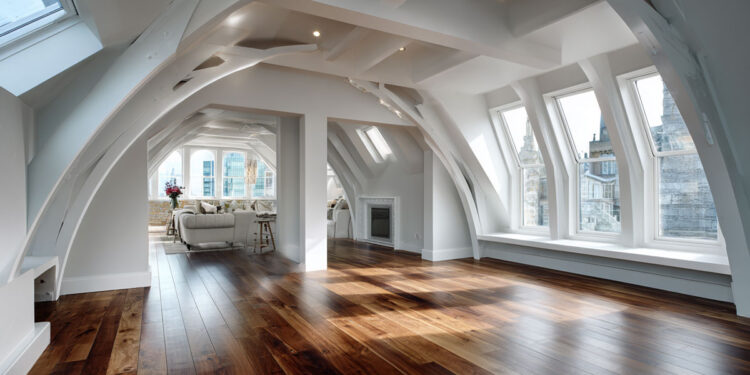
Loft conversions are consistently among the most popular home improvements in the UK. They unlock space that already exists within your home’s footprint, typically without the planning battles that extensions attract. But while the appeal is straightforward, the professional services required to deliver one properly are often misunderstood. Getting the right team in place — from Loft Conversion Drawings through to structural sign-off — is what separates a smooth project from a costly one.
Many homeowners start by speaking to a builder and assume that covers everything. It rarely does. A well-executed loft conversion draws on architectural, structural, and regulatory expertise that, when properly assembled, makes the difference between a smooth project and an expensive one.
Measured Survey and Feasibility
Before any design work begins, someone needs to accurately record the existing loft space: roof geometry, ridge height, existing joists, and tank positions. Designing from memory or builder estimates routinely produces drawings that don’t reflect reality, causing problems at building control and on site.
A feasibility assessment also determines whether the conversion is viable. The key threshold for habitable use is 2.2m of clear head height at the ridge. Many loft spaces — particularly in Victorian terraces — sit close to this limit, and understanding the geometry early saves money downstream.
Planning Drawings
Most loft conversions in England qualify as permitted development, meaning no planning application is required. Exceptions include conservation areas, Article 4 Direction zones, listed buildings, flats, and hip-to-gable alterations on certain property types.
Where planning permission is needed, an architectural technologist or architect prepares existing and proposed drawings for submission to the local authority. For conservation areas in particular, design quality and material choices carry significant weight. A vague or poorly presented submission invites unnecessary queries or refusals that a better-prepared application would have avoided.
Building Regulations and Structural Design
Regardless of planning, every loft conversion must comply with Building Regulations. This is where the technical substance lives: structural loading, fire escape routes, insulation performance, staircase geometry, and means of escape from upper floors.
The building regulations package typically covers structural details for new floor joists and steel beams, thermal specification to meet Part L, a fire strategy addressing escape routes and fire doors, ventilation under Part F, and staircase compliance under Part K.
A structural engineer must be involved for anything beyond a simple rooflight conversion. A rear dormer or hip-to-gable — which introduces a structural ridge beam and new load paths through the building — demands detailed engineering input. Engaging a practice with both architectural and structural capability under one roof eliminates the coordination overhead between separate consultants and gives building control a coherent, complete submission.

Party Wall Considerations
If the conversion involves cutting into a party wall to bear a new structural beam, the Party Wall etc. Act 1996 applies. The homeowner must serve notice on adjoining owners before works begin. Failure to follow the statutory process correctly can result in injunctions and costly delays. A good architectural practice will flag this at the outset and can often coordinate the party wall process alongside design and building control work.
Two Things Homeowners Regularly Underestimate
The staircase. Building regulations require a minimum 2m headroom above the pitch line of the stair. In many existing properties, fitting a compliant staircase means sacrificing bedroom landing space or reconfiguring the first floor. This needs to be resolved at design stage — not when the carpenter has already cut through the ceiling.
Fire compliance. Where a conversion creates a new habitable floor in a two-storey house, Approved Document B requires protected fire escape routes. In practice, this means upgrading all existing bedroom doors on the first floor to FD30S fire doors and installing a mains-wired smoke detection system throughout. Building control will not issue a completion certificate without it, and it needs to be budgeted for from the start.
Choosing the Right Team
The most effective loft conversion projects are those where architectural and structural work is handled by people who understand how to bring a drawing set through planning and building control to a complete, buildable package. A building contractor — however skilled — is not a substitute for this.
For London homeowners especially, the complexity of conservation areas, dense terraced housing stock, party wall obligations, and borough-level planning requirements makes professional architectural input genuinely worthwhile. The cost of good drawings is a small fraction of the total project budget, and their quality has a disproportionate influence on everything that follows.