Yorkshire by Motorhome: How to Turn Short Breaks into Slower, Smarter Adventures
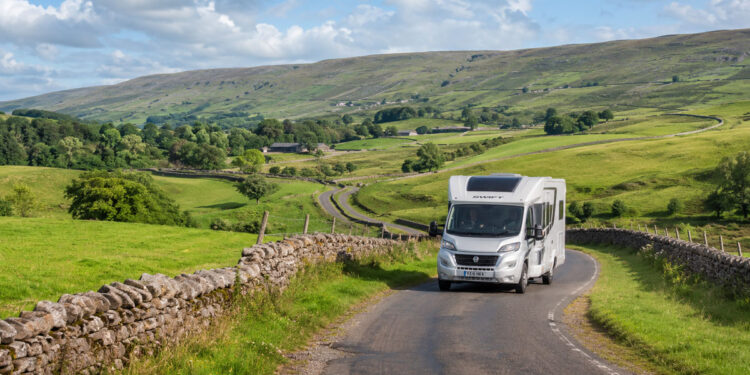
Yorkshire by motorhome is a short-break travel style that lets travellers explore the county through flexible routes, scenic stops and slower local discovery. It is not only about moving from one attraction to another. It is about waking near the coast, drinking coffee beside a dry-stone wall, finding a village bakery by chance and letting the road shape part of the plan.
For readers who love Yorkshire but dislike overpacked weekends, this kind of travel offers a useful middle ground between camping and hotel-based touring. This guide covers route planning, trip styles, overnight stops, costs, packing and the small mistakes that can make a peaceful break feel rushed.
What Does Slow Motorhome Travel in Yorkshire Actually Mean?
Slow motorhome travel in Yorkshire prioritises fewer stops, longer pauses and more flexible time spent outdoors. Instead of trying to see Whitby, York, Malham, Hawes and Scarborough in one weekend, the traveller chooses one region and experiences it properly.
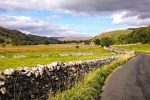
That slower pace fits Yorkshire because the county rewards attention. A five-mile detour can lead to a quiet viewpoint. A short walk can become the best part of the day. A market town can feel more memorable when there is time to buy lunch, sit outside and watch the place move around you.
A motorhome supports this rhythm because it gives travellers storage, shelter, cooking space and rest space. The vehicle becomes part of the trip, not just a means of transport.
Why Is Yorkshire Ideal for Short Motorhome Adventures?
Yorkshire is ideal for short motorhome adventures because it combines coast, countryside, historic towns and strong touring routes within manageable driving distances. A traveller does not need a two-week holiday to feel like they have gone somewhere different. A carefully planned two or three-day break can shift from sea air to moorland roads, then into a stone-built village or market square by late afternoon.
There are five main advantages.
- Enjoy varied landscapes quickly, as the coast, moors, dales and towns can be found along the same short route.
- Reduce reliance on hotels, as the motorhome provides sleeping, cooking and storage.
- Support local stops by spending money in cafés, farm shops, pubs and village stores.
- Make weekends feel longer by avoiding rigid hotel check-in routines.
- Easily adapt the trip when the weather changes, especially on walking or coastal days.
How Do the Coast, Moors and Dales Change the Trip Style?
The coast, moors and dales change the trip style by giving each route a different pace, view and purpose. Coastal routes suit readers who want sea air, harbours, fish and chips, cliff paths and easy wandering. Whitby, Robin Hood’s Bay, Filey and Scarborough all offer that classic Yorkshire seaside feeling, although parking and seasonal crowds need thought.
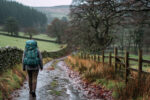
The North York Moors create a quieter, more open style of journey. The Yorkshire Dales are better suited to walkers, village lovers and travellers who enjoy rural stops. Places such as Malham, Grassington, Hawes and Settle work best when there is enough time to park once, walk properly and avoid chasing too many viewpoints.
What Are the Best Types of Yorkshire Motorhome Short Breaks?
Motorhome short breaks are compact trips that usually last one to three nights and focus on a single clear travel style. In Yorkshire, the main types include coastal weekends, countryside loops, food-focused town breaks, walking breaks and family campsite stays. Each type fits a different reader.
A couple in a two-berth motorhome may prefer a quiet base near the Dales. A family may need a four-berth motorhome or a six-berth motorhome with easier campsite facilities. Some travellers prefer automatic campervans for narrow roads, while others like used coachbuilt motorhomes for extra living space.
If someone is still choosing a vehicle, browsing used motorhomes for sale can help them compare layouts such as motorhomes with an end lounge, motorhomes with a garage, two-berth motorhomes and three-berth motorhomes before planning longer routes.
Coastal Weekends for Sea Air, Harbours and Easy Wandering
Coastal weekends are short motorhome trips built around beaches, harbour towns, seafood stops, cliff walks and relaxed sea views. They fit Yorkshire because the coastline has enough variety for a weekend without requiring a complicated route. Whitby offers gothic streets, abbey views and a busy harbour. Robin Hood’s Bay offers narrower lanes and a more intimate walking experience. Filey is gentler, which can suit families or travellers who want open beach time.
The key is not to treat the coast like a checklist. Pick one base, then build the weekend around one walk, one food stop and one slow morning.
Motorhome travellers should check height restrictions, overnight parking rules, campsite access and seasonal traffic before setting off.
Countryside Loops for Villages, Walks and Open Roads
Countryside loops are circular or semi-circular routes that let travellers enjoy several rural stops without constantly doubling back. They work well in Yorkshire because villages, walking trails, scenic lanes and farm shops often sit close enough to connect in a simple loop. The best routes are not the longest ones. They are the routes that leave space for a walk, a proper lunch and a quiet evening.
A countryside loop suits travellers who like structure but dislike strict schedules. A simple loop should include:
- One main base, so the trip has an anchor point.
- One scenic drive that is enjoyable rather than tiring.
- One walk that matches the group’s fitness level.
- One food stop, such as a pub, farm shop or café.
- One backup plan in case of rain or parking changes on the day.
Food and Market Town Breaks for Slower Local Discovery
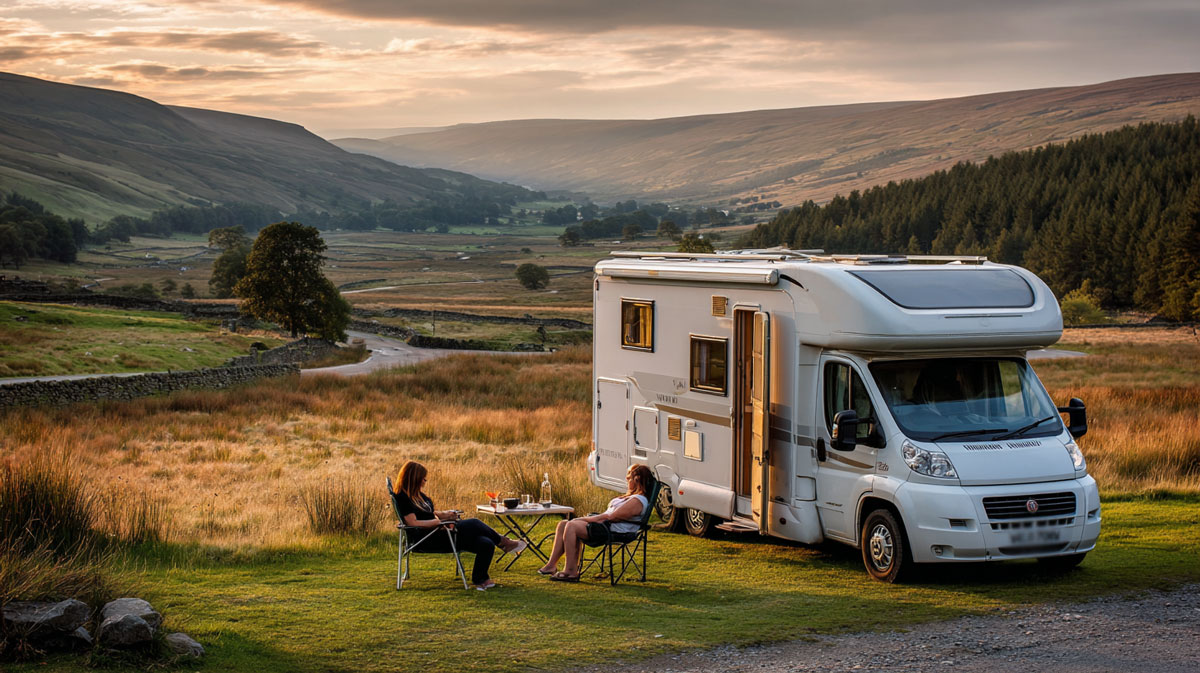
Food and market town breaks are motorhome trips centred on local produce, independent shops, cafés, bakeries, pubs, markets and relaxed town wandering. This style fits Yorkshire especially well, as many towns encourage a slower pace. Skipton, Helmsley, Richmond, Malton and Knaresborough are not just places to pass through. There are places to park nearby, walk in, eat well and spend a few hours without needing a major attraction.
This trip style also suits travellers who do not want every day to be physically demanding. A morning market, a riverside walk and an afternoon drive can be enough. Buying fresh food locally can also make the vehicle feel less like a mode of transport and more like a small travelling kitchen.
How to Plan a Two or Three-Day Yorkshire Motorhome Route
Planning a two or three-day Yorkshire motorhome route involves choosing one region, securing suitable overnight stops, checking road practicality and leaving enough space for weather changes. The goal is not to fill every hour. The goal is to make the route feel easy enough that the journey remains enjoyable.
There are six main steps to follow.
- Choose one region first, such as the Yorkshire Coast, the Dales or the North York Moors.
- Select a campsite, holiday park, certified location or approved stopover before building the route.
- Check road width, gradients, parking limits and access roads.
- Plan one main activity per day.
- Leave flexible time for rain, traffic, tiredness or a longer walk than expected.
- Prepare one backup stop, such as a nearby town, café, visitor centre or easier campsite.
What Is the Easiest First Route for Beginners?
The easiest first route for beginners is a base-and-day-trip route rather than a packed multi-stop loop. This means booking one campsite for two nights and using it as the centre of the trip. From there, the traveller can visit a nearby town, beach, walking route or viewpoint without repeatedly packing down and setting up again.
This style reduces stress. It limits reversing, parking uncertainty and narrow-road pressure. It also helps new owners learn how their vehicle behaves when fully loaded, how long it takes to set up a campsite and what they actually use inside the motorhome.
For anyone preparing to buy a motorhome in the UK, this beginner-friendly approach reveals what layout matters most.
Where Should You Stop Overnight Without Overplanning the Trip?
The best overnight stops are planned campsites, certified locations, holiday parks or approved motorhome stopovers, not random roadside spaces. Yorkshire has remote-looking areas, but that does not mean every lay-by, car park or village edge is suitable for sleeping overnight. Responsible stopping protects local communities and makes the trip smoother.
A good overnight stop should match the route, not force the route to bend too far around it. For a short break, location often matters more than luxury. Check these five things before booking:
- Confirm pitch size so the vehicle fits comfortably.
- Check the electric hook-up if heating, charging or fridge support is needed.
- Review water, grey waste and toilet disposal facilities.
- Look for nearby walking, food or public transport options.
- Read the arrival rules so late check-in does not become a problem.
How Much Does a Yorkshire Motorhome Short Break Cost?
A Yorkshire motorhome short break often costs less than a hotel-based weekend, but the final cost depends on the campsite, fuel, food, attractions and whether the vehicle is owned or hired. As a rough UK guide, many basic pitches are around £25–£40 per night, while high-season sites with more facilities can cost more.
There are six main cost factors.
- Compare campsite fees because basic rural sites can cost less than holiday parks.
- Control fuel use by choosing shorter regional loops.
- Save on food by cooking simple meals inside the vehicle.
- Check parking charges near beaches, towns and attractions.
- Budget for paid activities, especially family attractions or heritage sites.
- Consider ownership costs, finance and resale value.
Before changing vehicles, a motorhome valuation guide can help owners understand how age, mileage, layout, condition and service history affect value.
What Should You Pack for Comfort, Weather and Slower Travel?
Motorhome packing essentials are items that make a short break safer, warmer, cleaner and more comfortable without overloading the vehicle. Yorkshire weather can change quickly, especially between the coast, moors and dales. A bright morning can become a wet afternoon, and a mild day can feel cold in an exposed parking spot.
Packing well does not mean packing everything. It means choosing items that align with how the traveller wants to travel. Six packing groups matter most:
- Pack layered clothing for wind, rain and sudden temperature drops.
- Bring walking shoes that can handle mud, stone paths and wet grass.
- Carry simple cooking supplies for breakfast, hot drinks and easy dinners.
- Add campsite tools such as levelling ramps, torch, hook-up cable and gloves.
- Keep navigation backups, including downloaded maps.
- Include rainy-day entertainment such as books, cards or small games.
What Mistakes Can Make a Short Motorhome Break Feel Rushed?
The main mistakes that make a short motorhome break feel rushed are overplanning, poor parking research and choosing stops that are too far apart. A two-night trip should not feel like a delivery route. When every hour has a destination attached to it, the motorhome loses its greatest advantage: freedom.
Yorkshire is full of tempting places, so restraint is part of good planning. It is better to enjoy one dale properly than skim three. There are five common mistakes.
- Overload the route by adding too many towns or viewpoints.
- Ignore parking limits, especially in coastal and historic areas.
- Book overnight stops too far apart for a relaxed weekend.
- Underestimate narrow rural roads and village access.
- Forget weather flexibility, especially for walking routes and exposed moorland drives.
Conclusion
Yorkshire motorhome travel works best when the route is simple, the pace is calm and the traveller leaves room for small discoveries. The county gives visitors coast, moors, dales, market towns, farm shops, walking routes and historic streets, but it does not ask them to see everything in one weekend.
A slower, short break can be more rewarding than a crowded itinerary because it gives each stop time to breathe. Choose one region. Book a sensible overnight base. Plan one main activity each day. Leave space for weather, food, rest and the occasional wrong turn that becomes a good memory.
A strong motorhome trip is not measured by how many places are ticked off. It is measured by how relaxed the traveller feels on their return home.