Why Modern Cars Feel Faster Even With the Same Horsepower
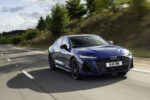
When we compare a typical popular car from the early 2000s with an equivalent in 2026, we realize that the numbers don’t tell the full story. Horsepower figures may look similar on paper, but the driving experience is quite different. Today’s cars feel quicker, more responsive, and easier to accelerate in everyday conditions.
The difference is not explained by a single major innovation. Instead, it’s the result of gradual improvements in engine design, transmissions, and the way power is delivered to the wheels.
Horsepower vs. real-world performance
Horsepower remains the most quoted performance figure in the car industry, but it doesn’t explain how a car behaves in normal driving. It measures the engine’s maximum output, not how that output is accessed.
Older cars often required high revolutions per minute to reach peak performance. In such vehicles, drivers needed to work through the gears to keep the engine in its power band, which could make everyday driving feel less responsive and more tiring.
In modern cars, there is a different approach to reaching performance. Instead of focusing solely on peak output, engineers optimize power delivery across the revolution’s range. One of the biggest changes implemented to achieve good performance is turbocharging. Turbocharging delivers torque at lower engine speeds, enabling smaller engines to produce strong pulling power at around 1,500rpm.
This has a direct impact on drivability. The daily maneuvers of pulling away from junctions, overtaking at moderate speeds, or driving in traffic all become easier because the engine doesn’t need to be pushed hard to deliver performance.
Gear ratios: small changes, big impact
Another relevant component responsible for delivering horsepower is gearing. The gear ratios determine how engine speed translates into wheel speed, directly affecting acceleration and efficiency of a car.
Modern cars tend to use shorter, lower gears to multiply torque more effectively, improving initial acceleration. At the same time, their higher gears are longer, allowing the engine to run at lower RPM in cruise velocity. This combination gives drivers the best of both worlds: strong acceleration at low speeds and improved efficiency on longer journeys.
Even small adjustments in the gear ratio can significantly change how a car performs. You can see how such changes work in practice by accessing a gear ratio calculator. There, you will understand how different gear setups affect speed and acceleration.

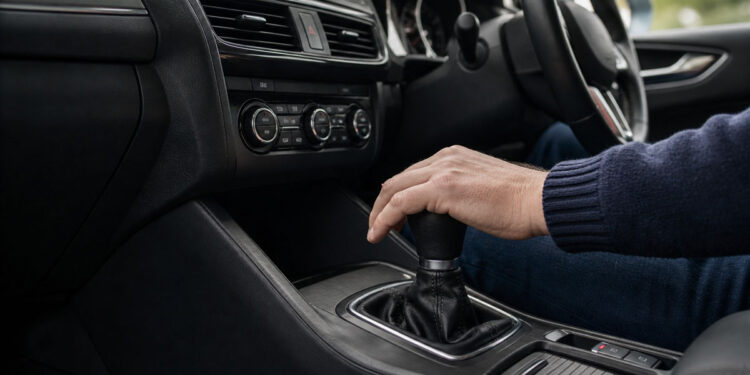
Besides the gear ratio, the number of gears is also a relevant feature that impacts the performance. Where five-speed gearboxes were once standard, modern cars typically feature six-speed manuals or multi-speed automatics. Increasing the number of gears allows tighter spacing between ratios. This keeps the engine operating closer to its optimal performance range, reducing the power drop between shifts and improving overall smoothness. As a result, the car accelerates more consistently and feels more responsive in everyday driving.
Moreover, modern systems – whether dual-clutch or advanced torque converters – shift quickly and precisely between different gears. They can adapt to driving conditions and select the most appropriate gear without driver input.
While modern engineering has improved performance, basic maintenance remains essential. There are several factors to consider when repairing a gearbox. Such as compatibility with your car, warranty, and condition. It is also relevant to verify other components such as air filters, spark plugs, and fuel systems, since they influence how efficiently an engine operates.
The shift towards automatic driving
The way drivers interact with cars is also changing. The manual gearboxes were the default choice for a long time. But now they are becoming less common as automatic systems improve. The automatic gearboxes have also been changing how young drivers learn to get a license.
This shift reflects the broader industry trends. Modern automatic gearboxes not only simplify driving but also optimize gear selection more effectively than most drivers can manage manually. As can be seen, electronics now play a key role in how cars behave, including throttle response, multiple driving modes, fuel or battery economy, and several sensors that map different components of the car.
Performance where it matters
Instead of focusing solely on acceleration figures, modern car manufacturers are optimizing performance for everyday driving. This means to focus on stronger low-speed acceleration, smoother gear changes, and better efficiency across a range of conditions. Therefore, the drivers don’t need to push the car to its limits to experience high performance.
The process to improve performance is based on good torque delivery, improved gear ratios, advanced transmissions, and intelligent software. All these components work together to contribute to a more responsive driving experience. At the same time, practices such as proper maintenance and a well-functioning gearbox remain essential to achieving good drivability.