Sailing Sustainably: The Galápagos Cruise Ships Leading Eco-Conscious Exploration
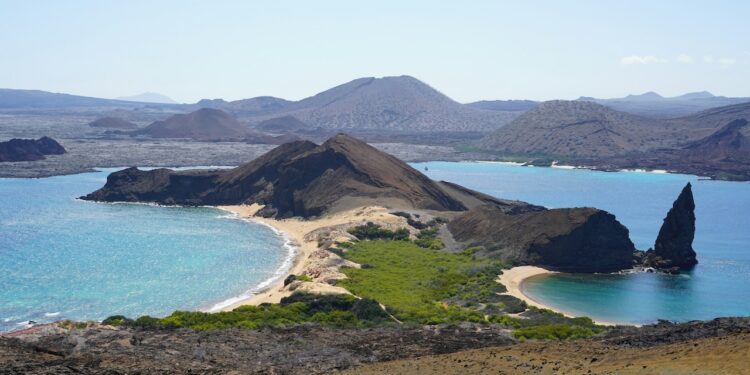
The Galapagos Islands are one of the world’s most unique destinations, offering the traveler a one-of-a-kind opportunity to both experience an amazingly diverse range of wildlife and to help preserve it. Few places in the world offer such a draw, and even fewer require such a careful balancing act in order to fulfill their promise.
The volcanic isles have become one of the planet’s great natural treasures, and it is only right that their appeal be tempered with responsibility and a respect and/or awareness of the regulations and restrictions that govern the area.
It is for this reason that a Galapagos cruise is not your typical ocean crossing – the entire experience is tailored to focus almost exclusively on getting you to see as much as possible, on carefully monitored and regulated excursions that respect the area and its rules.
Contemporary luxury expedition cruise ships focus on delivering the same type of experience, one that prioritizes conservation and a more responsible type of tourism.
Why Sustainability Matters in the Galápagos
Home to unique ecosystems found nowhere else on Earth, many of the Galápagos’ plants and animals have evolved in relative isolation. This makes their habitats especially vulnerable to changes in the environment around them, necessitating careful stewardship efforts that include tourism management.
As part of its approach to protecting the area, Galápagos cruise ships follow strict guidelines set out for tourism activities throughout the archipelago. Expedition itineraries ensure distribution of guests among designated visitor sites in accordance with rules put into place to preserve local wildlife populations and protect critical habitats from disruption caused through human activity.
With guided landings occurring along clearly marked trails at specific times of day, keeping groups small enough as possible so they don’t accidentally encroach upon animal nesting areas or other key habitats.
Expedition Cruises Designed Around Nature
A Galápagos expedition differs significantly from a traditional cruise. Instead of focusing on onboard attractions or busy entertainment schedules, the emphasis remains firmly on the surrounding environment.
Each day typically combines guided walks, wildlife observation, snorkeling opportunities, and scenic navigation between islands. The vessel serves as a comfortable base while the destination itself remains the primary attraction.
This approach naturally supports more sustainable travel. Guests spend their time engaging with the landscape rather than placing unnecessary demands on infrastructure. Because the itinerary follows carefully managed visitor locations, the experience balances access with conservation.
Smaller Ships, Smaller Footprints
Another important attribute of cruise travel in the Galápagos is the widespread use of small expedition-style ships. Small ships not only enhance the overall vacation experience but also assist with achieving conservation goals for the destination.
The fact that small numbers of passengers board each vessel allows for private and manageable shore excursions that do not result in overcrowding at visitor sites. The small number of passengers also provides an opportunity for guide tours to be more informative on the geological and ecological features of the islands.
Respecting Wildlife Through Responsible Travel
Wildlife encounters are the highlight of every Galápagos expedition, but they are also the greatest responsibility.
Visitors come to observe animals behaving naturally within their own habitats rather than participating in staged experiences. Sea lions rest along rocky shores, marine iguanas warm themselves on volcanic lava, giant tortoises move through protected landscapes, and countless seabirds nest across the islands.
Responsible cruise operations emphasize observation rather than interaction.
Guides encourage visitors to maintain appropriate distances, remain on designated walking routes, and avoid disturbing wildlife. These practices allow animals to continue behaving naturally while giving travelers the opportunity to witness authentic moments that cannot be recreated elsewhere.
Thoughtful Navigation Through Protected Waters
Just as the islands themselves, the surrounding waters are equally important and house an abundance of marine life, including turtles, rays, reef fish, sharks, and many more that make up the incredible biodiversity of the islands.
Expedition ships use the waters responsibly, traveling according to approved paths that ensure minimal environmental impact from operations and anchoring. Such actions can help minimize any negative impact on marine environments.
Travelers do not usually recognize this approach as it is part of a bigger plan that helps protect one of the world’s most important marine ecosystems.
Learning Through Every Excursion
One of the defining characteristics of a Galápagos expedition is its educational value.
Every island introduces new geological formations, different wildlife habitats, and distinct ecological stories. Guided excursions help travelers understand not only what they are seeing but also why these environments remain globally significant.
Volcanic landscapes reveal the geological origins of the archipelago, while coastal walks introduce native vegetation adapted to challenging conditions. Snorkeling excursions provide insight into marine ecosystems that thrive beneath the surface, connecting visitors with an underwater world that is every bit as fascinating as the islands themselves.
This emphasis on learning creates a deeper appreciation for conservation because travelers begin to understand the complexity of the environments they are exploring.
Comfort That Supports the Journey
Sustainable travel does not mean that you need to give up comfort. The current expedition vessels traveling around Galápagos show that it is possible to be eco-friendly and provide a high-level of service at the same time.
Cushy cabins, spacious observation decks, well-prepared food, and friendly communal space offer the guests a chance to relax after excursions, staying connected to the surrounding nature at the same time. Wide windows, open observation zones, and spacious outdoor lounges make sure that even your leisure time aboard will be devoted to the destination.
The purpose is not to overload the guests with comfort but to create such an atmosphere that will facilitate their journey.
Meaningful Encounters Instead of Crowded Attractions
Many luxury destinations measure success by the number of attractions included in an itinerary. The Galápagos follows a different philosophy.
The value of the journey comes from spending meaningful time in extraordinary places rather than rushing between landmarks. Watching a colony of sea lions from a respectful distance, observing blue-footed boobies along a coastal trail, or snorkeling beside sea turtles often leaves a stronger impression than visiting multiple destinations in rapid succession.
Travelers enjoy a more immersive experience, while wildlife and protected areas experience less disruption. The result is a style of tourism built on quality rather than quantity.
Responsible Luxury for Modern Travellers
Luxury travel has evolved considerably over the past decade. Increasingly, experienced travelers seek experiences that combine comfort with authenticity and environmental responsibility.
The greatest luxury is not extravagant entertainment or elaborate facilities. It is the opportunity to explore one of the world’s most remarkable natural environments in a thoughtful and respectful way.
Watching sunrise over volcanic islands, enjoying quiet moments on deck while seabirds glide overhead, or returning from a guided excursion with a deeper understanding of the ecosystem creates a form of luxury that feels both meaningful and lasting.
Exploring Today While Protecting Tomorrow
A trip to the Galápagos is always an equal opportunity for us all. Tourists, tour guides, and conservation organizations all have a hand in preserving this unique ecosystem and its biodiversity.
As tourists who choose sustainable cruise experiences, we all participate in this mission. Responsible practices guarantee that future generations will be able to appreciate the same amazing environment and biodiversity that tourists enjoy now.