How to Create Your Own Vacation Rental Website and Why It Pays Off
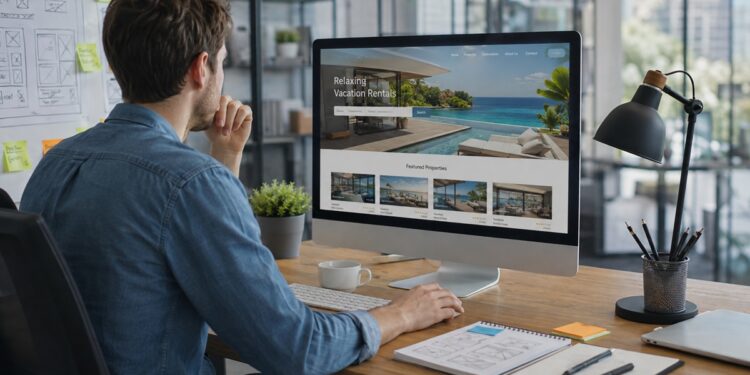
Owning a property that others want to stay in is a genuine privilege, but relying entirely on the big booking platforms to fill it comes at a cost. Every reservation through Airbnb or Booking.com carries a commission, and the guest ultimately belongs to the platform rather than to you. More and more owners are responding by creating their own vacation rental website, giving them a booking channel they actually control.
Why Owners Are Looking Beyond the Platforms
The large platforms are excellent at reach, but that reach comes with trade-offs. Commission is taken on every stay, your property sits alongside countless others, and you have limited say over how it is presented. For owners who have invested time and care into a beautiful property, being just another listing can feel like a missed opportunity to show it at its best.
The Case for Your Own Website
Your own website changes that. It lets you present your property exactly as you want, tell its story, showcase the photography, and give guests a booking experience that reflects the quality of the place itself. When someone books directly, you keep more of the revenue and build a relationship with a guest who can return again, without a platform sitting in the middle. Learning how to create your own vacation rental website is far easier than most owners expect, and the payoff compounds over time.
An Addition, Not a Replacement
This does not mean abandoning the platforms. The smartest approach is to keep listing on Airbnb and Booking.com for their reach while also taking direct bookings through your own site. The two work together: the platforms introduce new guests, and your website gives you a place to convert repeat visitors and loyal guests without paying commission every time.
No More Double-Booking Worries
The most common concern owners raise is the fear of double bookings once they add another channel. In practice, this is easily solved. An all-in-one platform keeps your availability synced across every channel automatically, so a booking on one instantly updates the others. That makes it completely safe to combine direct bookings with the platforms, without the risk of two guests reserving the same dates.
Getting Started Without a Developer
Building a website like this once required a developer, but that is no longer the case. Purpose-built tools now let owners create a professional, booking-ready site without any technical skills, connecting payments and syncing calendars automatically. Platforms such as Lodgify are designed specifically for vacation rentals, so the site works as part of a complete booking operation rather than as a standalone page.
More Than a Place to Book
A website of your own is also a chance to build something the platforms can never offer: a brand. You can share the story behind the property, highlight the details that make it special, and create a first impression that feels considered rather than generic. Guests increasingly value a personal, direct connection with the places they stay, and a well-made site delivers exactly that. Over time, returning guests may come straight to your website rather than searching a marketplace, which is the point at which a rental stops being just another listing and becomes a destination in its own right.
Final Thoughts
A beautiful property deserves more than a spot on someone else’s marketplace. By creating a website of your own, you gain control over how your property is presented, keep more of what you earn, and build lasting relationships with the guests who love staying with you. Used alongside the platforms rather than instead of them, your own website becomes one of the most valuable and lasting assets your rental can have, and one that keeps working for you long after the initial effort of setting it up.