Emergency Translation Services: What’s Possible and What Isn’t

When a loved one is wheeled into the ER speaking only Mandarin, or when a contract dispute erupts in a language nobody present can read, the clock starts screaming. In those moments, translation stops being a luxury and becomes critical infrastructure like electricity or running water. I’ve spent the past decade watching the language-services market evolve, and I’ve used it myself under pressure, so I know exactly where it shines and where it still fails.
From the outset, remember that we’re talking about minutes-to-hours turnaround: the realm of 911 dispatch interpreters, tele-health linguists, and quick translation services for documents needed today, not leisurely localization projects measured in weeks.
What “Emergency Translation” Really Means in 2025
The phrase “emergency translation” gets tossed around in sales brochures, so let’s pin it down before digging deeper. In spoken scenarios, think emergency calls, ambulance radios, or video visits “emergency” now means access to a qualified interpreter in under one minute. AI triage tools can auto-detect the caller’s language in roughly eight seconds, then hand off to either a certified human interpreter or an advanced speech-to-speech engine.
For written content, the bar is slightly different. A plain birth certificate or a two-page police report can typically be translated, formatted, and certified within 24 hours; premium services offer four-hour rush jobs. Larger files, say a 50-page clinical trial protocol or a bilingual contract with footnotes, still require more time, because a human linguist, a second reviewer, and a compliance officer must sign off. No algorithm can yet shoulder legal liability, so humans remain firmly in the loop.
Response-Time Benchmarks You Can Expect
Below are realistic figures to anchor expectations in fact rather than hype:
- 911 and tele-health interpreting: under one minute for common languages and up to five minutes for rarer tongues like Amharic or Fijian.
- On-site hospital interpreters: two to four hours in major cities, half a day in rural areas.
- Certified document translation (≤3 pages): 4-24 hours.
- Large dossiers or multilingual bundles: 24-72 hours, depending on complexity and regulatory demands.
These numbers matter because missed service-level agreements can jeopardize lives or at least cause lawsuits. Always insist on concrete timing commitments. After the hand-off, stay reachable: many rush failures trace back to unanswered linguist questions, not vendor sloppiness.
Capabilities We Can Count On
Strong technology and disciplined workflows now let emergency translation perform feats that felt impossible a decade ago. Still, every advantage comes from a mix of automation and accountable humans.
Real-Time Communication in Healthcare and Public Safety
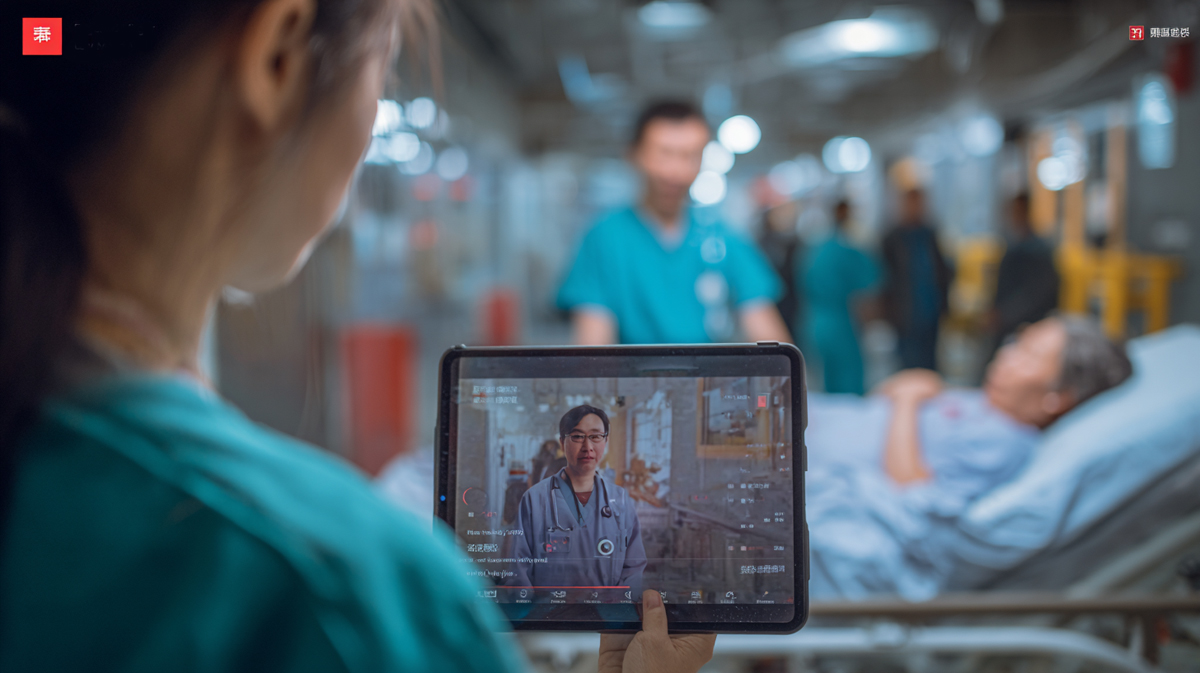
Hospitals and police departments increasingly rely on secure video-interpreting platforms running on encrypted tablets. I watched an ER nurse in Phoenix tap a single icon, autoconnect to a Spanish interpreter in 20 seconds, and confirm drug allergies before the physician appeared. A 2025 NIH audit found accuracy hovering around 96 percent, high enough to reduce adverse drug events by nearly one-third.
Public-safety answering points (PSAPs) have also adopted AI-assisted language recognition. The software analyzes speech fragments, identifies the language, and streams both a machine gist and a live interpreter into a dispatcher’s headset. That blend has shortened average non-English emergency calls from nine minutes to just over four, while maintaining evidentiary integrity.
Certified Document Translation Under 24 Hours
Speed means little if a court or immigration officer rejects the paperwork. Thankfully, specialized agencies have refined rush workflows that satisfy statutory requirements without cutting corners. When a law-firm client asked me to turn around a certified French judgment for Monday-morning court, I uploaded the PDF at 2 p.m. on Sunday and received a signed, USCIS-style certificate by 9 p.m. One company that consistently hits those marks is Rapid Translate, which funnels urgent jobs to vetted human linguists and returns stamped certificates formatted for government portals. Emergency translation should feel exactly like that: invisible, reliable, and boring in the best sense.
Where the Red Lines Still Are
Even the slickest platform cannot rewrite regulations or stretch human cognition. The following limits still bite hardest when seconds matter.
Legal Liability and Certification
Courts, USCIS, the FDA, and most arbitral panels demand a human-signed certification stating that the translation is “accurate and complete.” Machine output alone cannot shoulder legal responsibility, and no reputable agency will claim otherwise. If your vendor proposes an entirely automated workflow for anything destined for a courtroom, reject it or budget time for a redo.
Similarly, not every bilingual employee counts as a qualified interpreter. U.S. healthcare regulations (Title VI and the CMS Interpreter Rule) require documented competency. A well-meaning receptionist who “speaks some Spanish” can create malpractice exposure faster than you can say res ipsa loquitur.
Confidentiality and Data Security
Urgency tempts shortcuts emailing scans over open Wi-Fi or using free online translators that store data on foreign servers. Individuals risk identity theft; organizations risk HIPAA or GDPR violations. By 2025, credible providers will use end-to-end encryption, zero-retention policies, and NDAs signed by every linguist. If a service can’t articulate its security posture in plain English, keep shopping.
The “Last-Mile” Problem for Rare Languages
Despite leaps in neural training, low-resource languages such as Quechua, Rohingya, or Inuktitut lack the parallel corpora needed for reliable machine models. Even human interpreters may be hours away. Hybrid workarounds using related dialects, deploying pictogram apps, or tapping community volunteers for help, but they remain stopgaps. In life-or-death scenarios, that delay is the industry’s most stubborn challenge.
Choosing the Right Emergency Translation Partner
Selecting a vendor before disaster strikes is the cheapest form of insurance. I evaluate contenders using five criteria and recommend you do the same.
- Service-level clarity. Do they publish actual response metrics and refund policies if they miss?
- Certification pedigree. Are translators court-sworn, ATA-credentialed, or medically trained, and can they prove it?
- Tech stack. Is there a secure API for integrating with case-management or EHR systems?
- Linguistic range. Can they cover both Spanish and Uzbek without subcontracting through five layers?
- Human oversight. Who signs the certificate, and what professional liability insurance backs them up?
- Price comes next. A mistranslation that loses a trial or delays a visa costs far more than any rush fee.
After vetting, sign a standing agreement so procurement doesn’t slow you down during a crisis. Upload sample documents in advance and confirm your vendor can replicate formatting; margins and seals matter to bureaucrats. Finally, train internal staff on how to initiate a request at 3 a.m. panicked googling is not a plan.
Practical Tips for Law Firms, Healthcare Providers, and Businesses
Even the best agency benefits from organized clients. Keep these habits in mind to shave hours off every emergency request.
- Store digital originals in high resolution; cropped seals force linguists to guess at missing text.
- Maintain glossaries for technical terms, pharma, maritime, or proprietary jargon, so translators don’t reinvent your terminology under pressure.
- Designate an in-house language lead who can answer questions within minutes; silence is the biggest deadline killer.
Building these small muscles during calm periods ensures the entire process runs smoothly when the fire alarm rings.
Nobody should end a translation request with a bullet list alone, so let me close this subsection by emphasizing that emergency services thrive on preparation. Planning for a few minutes today could save you hours or lives tomorrow.
Final Thoughts
Emergency translation in December 2025 is both impressively fast and stubbornly human. Sub-minute interpreter access, 24-hour certified documents, and AI triage tools all buy precious time when the stakes are highest. Yet machines still can’t testify, swear oaths, or carry malpractice insurance, and rare languages can still stall a rescue effort.
Use the technology, but anchor it in human expertise, clear contracts, and a security mindset. Do that, and emergency translation transforms from a frantic afterthought into a silent ally ready, fast, and trustworthy precisely when everything else is on fire.