Cashback Culture: Why UK Consumers Are Chasing Rewards on Everything They Buy

There is a small pause that has become part of British shopping. Basket filled, card in hand, and then the thought arrives: should this be going through the cashback portal first?
A decade ago that hesitation belonged mainly to dedicated bargain hunters. Today, rewards and loyalty schemes are firmly mainstream, helped along by several years in which households have looked harder at what they get back from money they were going to spend anyway.
The infrastructure built around that habit is now substantial.
The size of it
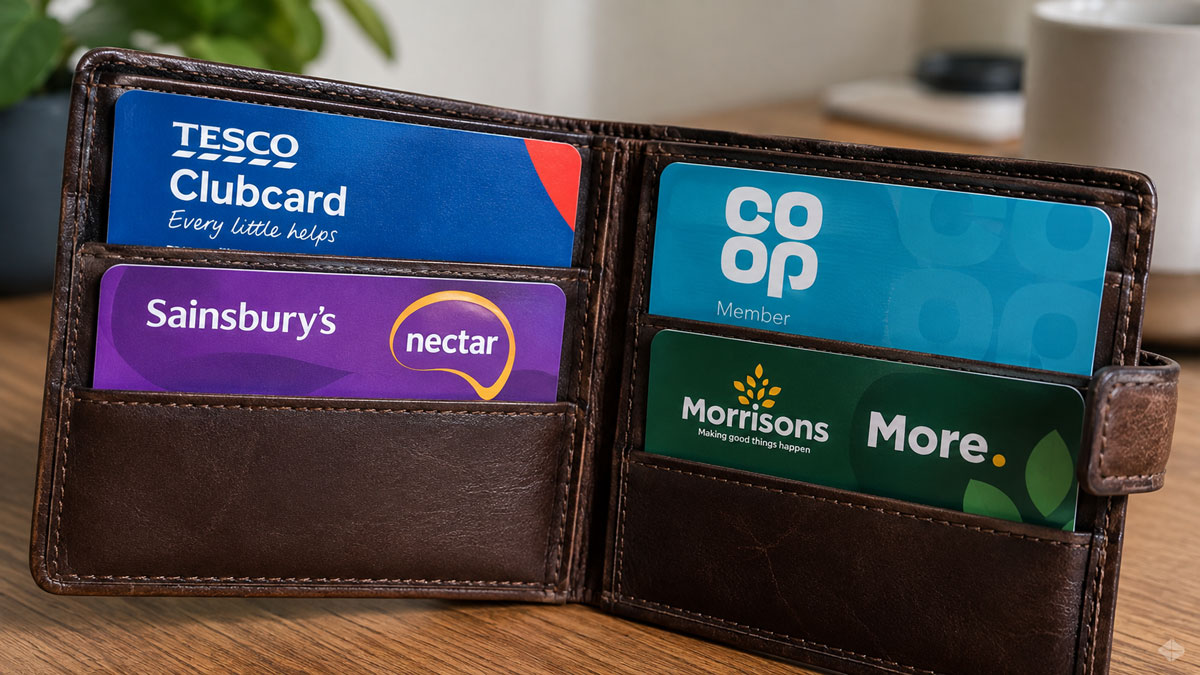
TopCashback works with more than 5,500 UK retailers, while Quidco offers cashback across thousands of brands. Alongside them sit supermarket loyalty schemes operating at an even larger scale. Tesco Clubcard has tens of millions of participating households, while Nectar reports around 24 million active members.
The common idea is simple: if the purchase was going to happen regardless, returning even a small percentage has value.
That logic has spread to payment cards as well, although the offers change regularly. Chase, for example, currently pays two percent cashback in selected everyday categories including groceries, restaurants and transport, subject to eligibility conditions and a monthly cap.
There is no useful universal figure for what a household can earn in a year. Spending levels, caps and retailer rates vary too much. The important change is that cashback has moved from a niche tactic into a familiar part of everyday consumer behaviour.
Stacking has become a skill
What has changed most is not the existence of cashback but the sophistication with which some shoppers combine it.
The practice, unglamorously known as stacking, involves applying separate rewards to the same planned purchase where the terms allow it. A cashback portal may provide one return, a cashback card another, while a retailer’s own loyalty scheme or discounted gift card can sometimes add another layer.
There is no reliable standard percentage. The return depends entirely on the retailer, product, card and promotion involved.
Tracking is also easier to disrupt than many shoppers realise. Cashback portals rely on affiliate attribution, so visiting another discount or cashback site during the purchase journey can result in somebody else being recorded as the referrer. Using an unapproved promotional code can also invalidate cashback.
The safer approach is to compare available rates first, choose one portal and then follow a clean path through to checkout.
Where the money comes from, and whether it is taxed
Retail cashback usually works because a retailer pays commission for a referred sale. The cashback platform keeps part of that commission and returns another part to the customer.
For an ordinary private consumer, HMRC generally treats cashback linked directly to purchasing goods or services as a reduction in the purchase price rather than taxable income. There is normally nothing extra to declare simply because a household received cashback on groceries, travel or another personal expense.
The position can differ where the payment arises through a business or where somebody is effectively being paid for a service, such as referring another customer.
For normal household shopping, however, cashback is usually closer to a discount than earnings.
The behavioural catch
This is where a note of caution belongs.
Cashback works properly when it returns a percentage of something a person intended to buy anyway. It works considerably less well when the promise of a reward starts determining what gets bought.
Two percent back on an unnecessary purchase is not a two percent gain. It is a ninety-eight percent loss dressed up as a saving.
The reward architecture works because that distinction is easy to forget.
Larger cashback amounts often appear around planned annual expenses such as broadband contracts, insurance and other household services. Those can be worth checking because the underlying purchase already exists. The reward should follow the decision rather than create it.
The mechanic has travelled
Cashback has now moved well beyond conventional retail. Versions of the idea appear in bank accounts, subscription services, travel, utilities and online entertainment.
The term is also used in gambling, where cashback casinos may return a proportion based on net losses, qualifying deposits or wagering activity over a defined period.
That deserves a clear distinction from retail cashback.
A retail scheme reduces the effective cost of something the customer buys and keeps. Casino cashback is a promotional mechanism attached to gambling activity and, in many cases, only produces a return after money has already been lost or wagered.
The word is the same. The economics behind it are not.
Doing it sensibly
The useful version of cashback remains fairly uncomplicated.
Compare portals before starting a purchase, then use one clean referral route through checkout. Concentrate on planned spending rather than looking for reasons to spend simply because a reward is available. If using a cashback credit card, paying the balance in full matters far more than the reward rate because interest can quickly overwhelm whatever has been earned.
And when that pause arrives at checkout, there are really two questions worth asking.
The first is whether the purchase could earn something back.
The second is whether the purchase was going to happen anyway.
The second question is still the more valuable one.
18+. Gambling involves financial risk. Free and confidential support is available 24/7 through GamCare and the National Gambling Helpline on 0808 8020 133.