Why Mobile Games Became Everyday Entertainment
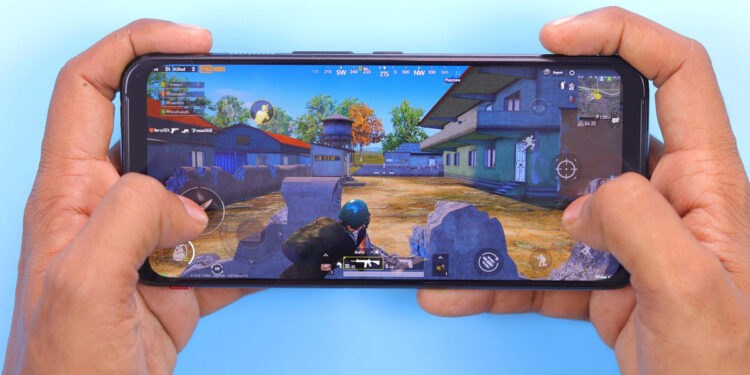
More than 3.2 billion people worldwide play mobile games regularly. The reason is simple enough: the game is already in the pocket, next to chats, payments, maps and music, ready for a bus ride, a queue or five quiet minutes at home.
How Smartphones Changed the Gaming Industry
Mobile gaming is one of the biggest markets in the world. Precedence Research estimates the mobile gaming market at $158.50 billion in 2026 and projects it could reach about $371.71 billion by 2035. The increase in popularity and overall market value is evident in most parts of the globe.
Mobile games are no longer limited to simple puzzle formats. They are full-size developments featuring open worlds, multiplayer, and complex levels. Even the industry has changed. Now, player retention, data intelligence, and performance engineering are as important as gameplay.
How Gambling Elements Appeared in Mobile Games
Certain games feature elements borrowed from online gambling. Many mobile games use reward systems that keep players returning, and some of those systems resemble gambling mechanics. One of the methods developers use is loot boxes, which are very popular today. Players use them to level up quicker, unlock new levels or equipment, and for other purposes.
A similar element that comes from Japan is a gacha system. It’s a mechanism that allows players to use in-game currency to unlock a character or a game feature. The player cannot choose the prize, only pay or play for another chance. That random reward is why gacha and loot boxes are often discussed alongside gambling-like mechanics.
Loot boxes and bonus spins use a familiar casino-style hook because the player waits to see what drops. For anyone curious how this looks in a regulated environment, guides to extra reel rounds for UK players explain free-spin offers, caps, and wagering requirements in plain language. A mobile game can create a similar feeling with a paid chest, a daily wheel or a random reward after an ad.
| Mechanic | How it works in mobile games | Why it feels gambling-like |
|---|---|---|
| Loot boxes | Random rewards after payment or repeated play | Variable odds, repeat buys |
| Gacha pulls | Use coins for random characters or items | “One more try” loop like slots. |
| Daily spins / wheels | Free or paid spin for a prize | Anticipation like casino spins. |
| Battle pass tiers | Unlock rewards by levelling passes. | Uncertain high-tier rewards. |
| Reward ads spins | Watch an ad to spin a reward wheel | Chance-based payout after effort. |
| Energy timers | Wait or pay to keep playing. | Pushes pay-to-skip urgency. |
| Limited-time offers | Short deals with random value packs. | Scarcity + impulse buying. |
| Random drops (gameplay) | Enemies drop random loot. | Unpredictable reward timing. |
These mechanics do not make every mobile game a gambling product. The problem is that chance-based rewards can feel similar to casino mechanics when money, scarcity or repeated attempts are involved.
Convenience and Instant Accessibility
Here, two important aspects of the industry can be seen. First of all, playing mobile games is easy and always available. You can start a session while commuting, taking a short break, or waiting in line.

The biggest advantage is that mobile games fit small gaps in the day. A player can open a puzzle game for three minutes, continue a match after work or check a daily reward while waiting for transport. A game can be opened for three minutes and left without feeling unfinished.
Mobile Games as Stress Relief and Entertainment
Stress is a huge issue for people nowadays. According to one survey, which included over 145,000 people from 144 different countries, around 37% of participants claimed they are stressed every single day. Mobile games are not a cure for stress, but many people use them as a low-effort break.
One helpful action is actually mobile games. Gamers are able to play online, connect with friends who share their ideals, and invite others to compete. Many users tend to have a game session while:
- Commuting.
- Waiting rooms.
- Short work breaks.
- Evening downtime.
- Playing with friends.
Most of these games work only when a device is connected to the internet. This is a big deal because mobile plans are readily available. Public Wi-Fi, mobile data and cheaper roaming have made play easier while travelling, although quality still depends on location and connection.
Social Features and Online Communities
Mobile games increasingly work like small social spaces. Instead, they feature social features such as live chats, leaderboards, communities, and more. All of this means that players can connect and interact, just as on social media platforms. For some, these are primary reasons why they play a game.

One thing smartphone games do better than ordinary social media platforms is offer a progression system. This means that a player advances their character in the game as they play. They also reach higher levels, unlock new options, and more. Being able to share strategies and successes with online friends does matter and generally makes gaming feel more personalised and polished.
Players can also create communities within the games. Clans, guilds and group events give players a reason to return even when the game itself is simple. It’s an important reason for those who use this method to fight off stress.
Why Mobile Gaming Continues to Grow in 2026
Phones keep getting better, and mobile games no longer feel like a weaker version of console play. They open fast, save progress across devices and give players new events, rewards or matches whenever they have a few spare minutes.
The business side also pushes growth. Daily rewards, season passes, ads and in-app purchases keep many games active long after download. Forecasts that put the mobile gaming market near $371.71 billion by 2035 show how much money is still moving into the sector. The part that needs watching is not growth itself, but random rewards, paid spins and drops that start to feel too close to casino mechanics.