Planning a Bathroom Renovation? The Design Decisions Worth Considering
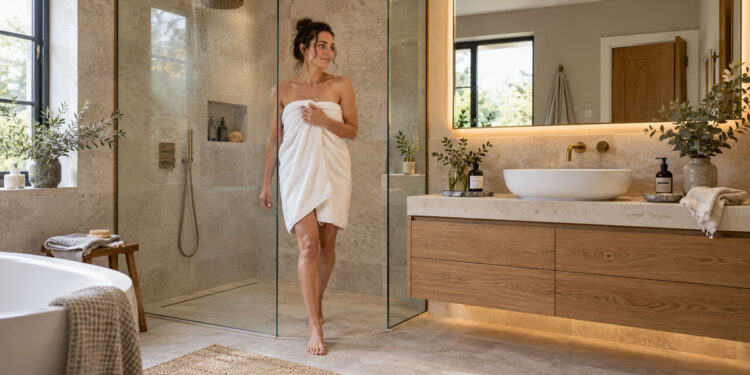
Bathroom renovations have a habit of beginning with the “big” decisions like colour scheme, taps and baths, but some of the smaller choices that matter most happen well before any of those finishing touches. Sorting these details early can prevent expensive changes and major headaches further on down the road.
Get the Layout Right Before Choosing Fixtures
Before falling in love with a freestanding bath or oversized vanity, work out whether the room can comfortably accommodate it. Measure the space carefully and think about how people will actually move through it. Even relatively small changes can improve the flow of a compact bathroom, with wall-mounted fittings, sliding doors and more carefully positioned storage all freeing up valuable floor space. There’s plenty of material online to help, so researching recent bathroom renovation examples where awkward layouts have been reworked can be handy before committing to a floorplan of your own.
Choose Materials That Suit Your Lifestyle
A beautiful bathroom still has to survive steam, splashes, toothpaste and whatever else daily life throws at it so materials should be chosen with maintenance as well as appearance in mind. Porcelain tiles are a popular choice because they can offer a durable, water-resistant surface, while larger-format tiles can mean fewer grout lines to keep clean. Smooth vanity tops and easy-wipe wall finishes may also appeal to busy households where nobody wants to spend Saturday morning scrubbing intricate surfaces. Think honestly about how much maintenance you’re really prepared to do.
Think About Shower Controls Before Installation
Shower controls might seem like a finishing detail, but their position and installation need to be decided surprisingly early. If you prefer a streamlined look, a Concealed Shower Valve can create a cleaner finish by hiding much of the working mechanism behind the wall while leaving the controls accessible. The same principle applies to recessed shower niches and wall-mounted taps. They can reduce visual clutter and make excellent use of limited space, but they usually require preparation before walls are finished. Deciding you’d like a niche after the tiler has completed the shower wall is unlikely to be anyone’s favourite moment in the project.
Plan Plumbing and Installation Details Early
Moving plumbing can sometimes unlock a much better layout, but it can also affect the cost and complexity of a renovation. Waste pipes, water supplies, drainage and existing soil pipes all influence where certain fixtures can realistically go. Planning the practical side of a bathroom renovation before ordering every fixture can help avoid the discomfort of discovering halfway through the job that something doesn’t quite fit or requires considerably more work than expected.
The most successful bathrooms often look wonderfully simple when they’re finished. Getting there, however, usually involves plenty of decisions made long before the first tile reaches the wall. Spend a little more time on layout, materials and installation at the beginning, and you’re far more likely to end up with a bathroom that works good and looks even better.