Can Interactive Wildlife Encounters Replace Screen Time?
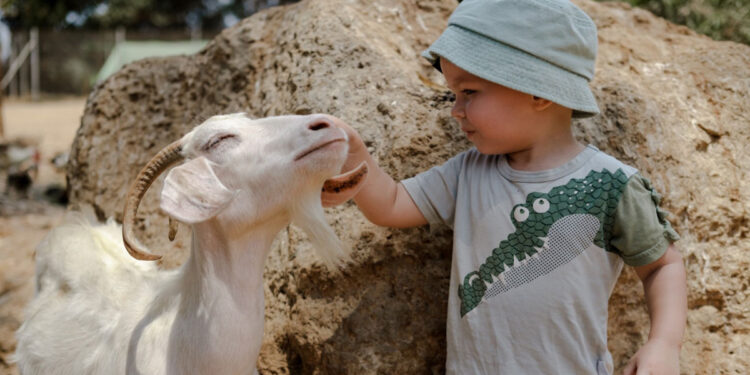
Screens have become the easiest way to fill spare moments, especially when children are tired, travelling or waiting for something to happen. Digital entertainment can be creative and social, but it often struggles to deliver the surprise, movement and sensory detail of meeting a living creature. Interactive wildlife encounters offer another way for children to explore the world around them, provided adults treat them as part of a balanced routine rather than expecting one exciting afternoon to transform every habit. Thoughtful engagement with animals can foster curiosity and respect, especially when children have time to observe, ask questions and learn how to behave around living creatures.
The Challenge of Competing With Devices
Devices are designed to hold attention. Games provide instant rewards, videos move quickly, and another piece of content is always waiting. A nature activity may begin more quietly, so telling a child to put down a tablet and look at a tree rarely feels like a fair exchange from their point of view.
Direct contact with animals changes that equation. A child watching a snail extend its feelers or seeing a lizard move across a branch receives immediate feedback from something unpredictable and real. The experience has pace and drama, but it also invites sustained attention. Details that seem minor to an adult can become the main event for a young observer.
Technology can still support outdoor discovery. The National Wildlife Federation offers useful examples of how nature and digital screens can work together, including identification tools and citizen science projects. A phone used to identify a bird call has a clear purpose and a natural end point.
Set expectations before an outing or animal session begins. Explain that devices will stay in a bag for 30 minutes, then give children a simple task such as spotting three textures, recording an animal’s movements or thinking of one question for the handler. A defined challenge makes the experience active and gives their attention somewhere specific to go.
Sparking Curiosity Through Living Creatures
A living creature creates questions that a worksheet may never prompt. Why does a tortoise have scales on its legs? How does an insect sense what’s nearby? What does a nocturnal animal do while the household is awake? Children often ask these questions spontaneously because the subject is moving in front of them.
Interactive settings work especially well when information arrives in small pieces. Evidence from interactive aquarium learning shows how close observation and hands-on exhibits can help visitors connect animal facts with visible behaviour. The same principle applies to carefully managed encounters in schools, nurseries and family events.
For organised sessions, look for a provider that explains how animals will be handled, how activities are adapted for different ages and what hygiene arrangements are in place. Wild Science offers animal experiences and workshops for schools, nurseries, care homes, children’s parties, corporate events and screen productions. A guided session gives participants opportunities to ask questions and observe animals while an experienced handler oversees the interaction and sets appropriate boundaries.
Keep the conversation going afterwards without turning it into homework. Ask a child to draw the creature that surprised them most, recreate its habitat with craft materials or find out what it eats. One focused follow-up activity can fix the memory more firmly than a long list of facts. It also reveals what genuinely caught their interest, which may guide your next library visit, garden project or day out.
How Tactile Biology Deepens Empathy
Touch adds information that photographs cannot supply. The texture of a shell, the light movement of tiny feet or the warmth of a small mammal can make biology feel immediate. Even when touching isn’t appropriate, observing from close range helps children notice breathing, balance and reactions to sound.
That awareness can build empathy. Children begin to understand that animals have physical needs and clear preferences. A creature may seek shelter, become still when uncertain or move towards a comfortable surface. Under calm supervision, these responses encourage participants to slow down and consider how their own behaviour affects another living thing.
Consent and welfare should shape every interaction. A reputable handler will decide which animals can take part, demonstrate gentle contact and stop an activity if an animal shows signs of stress. Children should know that choosing not to touch is completely acceptable. Quiet observation, sketching or asking questions can be equally valuable, especially for anyone with sensory sensitivities.
Hygiene matters too. Wash hands thoroughly after contact, keep food away from the activity area and follow the handler’s instructions. Adults can model respectful behaviour by using a soft voice, avoiding sudden movements and waiting their turn.
Try asking observational questions during the encounter. “Where is it looking?” “What changed when the room became quieter?” and “Which part of its body helps it move?” direct attention towards the animal. They also help children practise patience and interpretation, two skills that rapid streams of online content rarely demand for long.
Simple Ways to Reconnect With Nature
Animal encounters can start an interest, but regular contact with nature keeps it alive. The best activities fit easily into ordinary family life and don’t depend on a major trip. Ten attentive minutes in a garden, park or shared outdoor space may reveal more than an hour-long walk where everyone feels rushed. For more ideas on encouraging children to explore, move and learn outdoors, read these five reasons outdoor play matters more than ever for children.
Choose one small area and revisit it each week. Look beneath a plant pot with adult supervision, count the birds on a nearby roof or photograph the same tree as its leaves change. Repetition helps children notice patterns. They may see that worms appear after rain, certain flowers close in the evening, or birds visit at particular times.
A simple home project can add purpose. The Natural History Museum’s guide to making a bug hotel explains how natural and reused materials can create shelter for small garden visitors. Place the finished structure somewhere sheltered, then check it occasionally without disturbing its occupants.
Indoor options count as well. Grow herbs on a windowsill, keep a seasonal nature table or borrow wildlife books that connect with a recent sighting. On wet days, listen for birds from an open window and record how many different calls you hear in five minutes.
Avoid measuring success solely by time spent away from a screen. Look for signs of deeper engagement, such as a child remembering an animal’s name, treating a small creature carefully or returning to check a habitat they helped create. Those moments show that nature has become personally meaningful.
Interactive wildlife encounters won’t remove the appeal of devices, and they don’t need to. Their strength lies in offering something a screen cannot reproduce: the need to pause, watch and respond to another living creature. If a child leaves remembering the careful movement of a snail or the texture of a shell, that brief encounter has already given their attention a new place to settle.