What chefs do with used oil after service
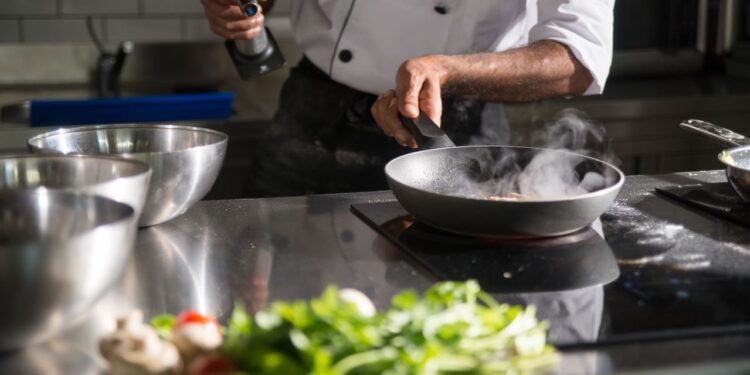
The part of a restaurant that diners never see is the hour after the last table leaves. Front of house empties, the music changes, and the kitchen turns into a cleaning operation. In a busy kitchen frying fish, chips and tempura through a weekend, that means dozens of litres of oil that were perfectly good on Friday and are finished by Sunday.
It’s one of the least glamorous jobs in hospitality and one of the more consequential. What happens to that oil after service says a fair amount about how a place is run, and it is a question worth asking of the businesses you like.
Why oil goes off in the first place
Frying oil degrades every time it is heated. It darkens, thickens and starts to smoke at lower temperatures, and the flavour it carries into the food changes with it. Chefs judge the point of replacement by colour, smell and how the batter behaves rather than by a calendar. A high-volume kitchen might change a fryer twice a week. A restaurant frying occasionally could run the same oil for a fortnight.
Whatever the interval, the used oil has to go somewhere, and the sink is the one option that causes real damage. Poured warm, it moves easily. Cooled inside a drain run, it hardens against the pipe and starts catching everything that follows.
How oil collection works behind the scenes
Established kitchens do not improvise this. They store used oil in sealed drums, kept away from the working line, and hand it to a specialist on a fixed schedule. Oil collection companies such as Quatra take the drums, replace them with empties and process the contents into a key feedstock for biodiesel production, which means yesterday’s fryer oil ends up powering vehicles rather than sitting in a landfill or a sewer.
The commercial logic is neat — used cooking oil has genuine market value as a feedstock, so kitchens are rarely charged for the service. A restaurant gets a waste transfer note for its records, an empty drum, and no drainage bill.
The same logic applies at home
Domestic kitchens produce far less oil, but the drain does not care about volume. Disposing of cooking oil properly at home means letting it cool, decanting it into a lidded jar or tub and putting it in the general waste, then wiping the pan with kitchen roll before it reaches the washing-up bowl. It is a thirty-second habit borrowed directly from professional practice, which is generally where the best domestic kitchen advice comes from anyway.
What it means when you’re eating out
You’ll see none of this from a dining room, but there are signals worth reading. Kitchens with their waste properly sorted tend to have their cleaning sorted too, and hygiene ratings are published for anyone who cares to look them up. Yorkshire independents in particular are usually happy to talk about the arrangements they have made, because for a small operator that sort of thing is a point of pride rather than a compliance chore.