Pregnancy Support Belt 101: When to Start, How to Wear, and Safety Tips
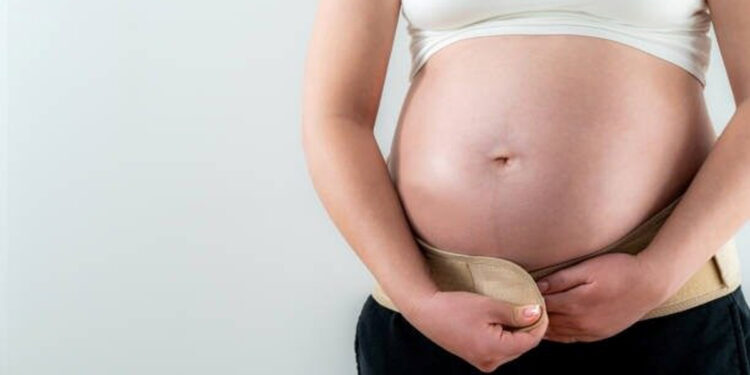
One of the most helpful things that you can have as an expectant mom is a pregnancy support belt because as your belly becomes larger and larger, your body works extra hard to keep your baby. An effective support belt can work wonders to help you in your daily routine by helping you ease back pain and improve your posture, and provide some level of lift and stability. And there are so many varieties of all those that it may be difficult to choose what to wear and how to wear it properly. This guide will help you know what type of pregnancy support belt to purchase, how and when to wear it to make it as comfortable as possible, and what to remember in order to stay safe and supported during your pregnancy.
How to Choose a Pregnancy Support Belt
When pregnant, it is recommended to choose a support belt that is comfortable and helps to maintain good posture and is friendly to the well-being. The most useful features that should be considered are material, adjustability, support degree, and fit. Find belts made of soft and breathable materials like cotton or a mixture of spandex, which do not get hot or scratch the skin and have a loose stretch.
It should be adjustable since your body changes with your pregnancy. Elastic belt straps or velcro allow you the option to tighten or loosen the fit of the belly as it grows. These are lightweight designs to aid in daily use, and some designs will give extra compression, extra lumbar or pelvic support to women having excessive back or hip pain.
Before purchase, measure your waist, hips and underbelly to the size guide given by the manufacturer. The belly should be lifted slightly, and the bottom should be supported without being pinched or restricting movement with an appropriately-fitting belt. Ease and range of motion are needed – the belt should relieve the weight, position you more comfortably, and walk, sit, or do some other light activities pain-free.
With some issues, like pelvic girdle pain, round ligament pain, diastasis recti, etc., it is possible to organize a meeting with a medical worker or prenatal physiotherapist and determine the most suitable style and fit. Purchasing the right pregnancy support belt that fits you will make you feel relieved, and you will be able to move around and feel comfortable during pregnancy.
When to Start Wearing a Maternity Belt
No one has an idea of the right time for all pregnant women should put on a maternity belt. The difference begins to be felt by most pregnant women in the second trimester when the bump becomes more pronounced and the additional weight has already begun to strain the spine and the pelvis. But, the right time differs according to individual needs, like in the case of women bearing multiple children or women working and therefore have to work long hours, they can decide to start soon.
Even basic activities such as walking, household tasks or even extended sitting can be painful due to the swollen belly. This is normally the best time to wear a pregnancy support belt, which will aid in the redistribution of the weight on your abdomen and less strain on your lower back, hips and pelvis. It provides the light compression to keep you in place and take the muscles off over time, particularly later in pregnancy when the ligaments become soft to make way for the baby.
Most women wear their maternity belt to maintain stability during the third trimester, as the point of gravity has shifted forward. It can also be used to reduce the round ligament pain, the acute, stretching pain on the side of both sides of your belly by lifting your belly. Your body will tell you whether it is time to start or not. When the belt makes your everyday movements easier, reduces strain, and offers visible relief, you know it is doing you good.
How to Wear Your Pregnancy Belt Correctly
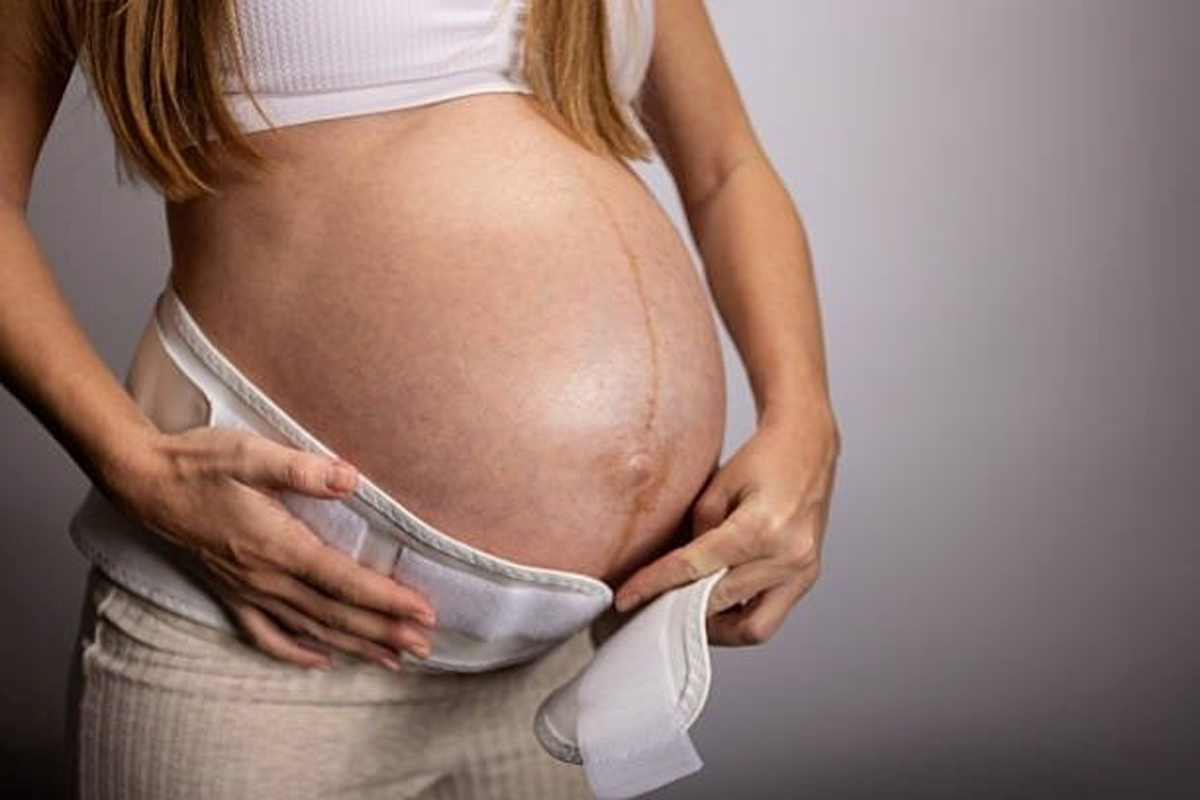
Your maternity belt should be snug but not tight. The first step is to put the widest section of the belt around the lower section of your back and your belly. Wrap the belt about your belly, but not in contact with your hips. It need not be tight, but must be able to breathe in deeply and move freely. The belt is not intended to squeeze your abdomen, but it is expected to lift.
The straps must be adjustable or Velcro attached in such a way that you can adjust the fit as the belly expands or your activity level varies during the day. The process of putting it on requires one to stand straight or use a mirror to make sure that it fits on both sides equally. Do not wear the belt so high on your bump; this will put undue strain and reduce efficiency.
When you are exercising or standing up for a long time, remove the belt every 15-30 minutes to allow the muscles to rest. You can also remove the belt completely when you are sitting or lying down. The trick is to strike a balance, wear the belt only when you are in need of relief, but keep the core of the body, the muscles of the pelvis, working.
Tips for Wearing Your Belly Band Safely
The belly band is safe to wear for no longer than 2-3 hours at a time unless otherwise. When used over time, it may cause your muscles to be dependent on the belt and may result in a weak core and pelvic floor. It must always be placed over a piece of clothing so that it does not irritate the body, and must not be worn when sleeping, so that it will not lead to stagnation.
Monitor redness, numbness, or discomfort – remove or reposition the belt as needed, and call your healthcare provider. Wearing it ensures good posture by standing upright, lowering the shoulders, and keeping the spine straight. The pelvic and core muscles may be strengthened with the help of the belt and mild prenatal stretches that will make you active and comfortable during pregnancy.
Conclusion
The maternity belt is a simple and effective aid in the process of coping with pregnancy-related back pain, pelvic pressure and posture strain. It supports your muscles because they are adaptive to your growing belly without replacing their inherent strength. You must listen to your body: when it is comfortable and helpful, then it is working. A maternity belt, combined with light exercise, proper posture, and rest, can make pregnancy even more comfortable until you give birth.