How to Build a Summer Wardrobe that Actually Works with Less in it
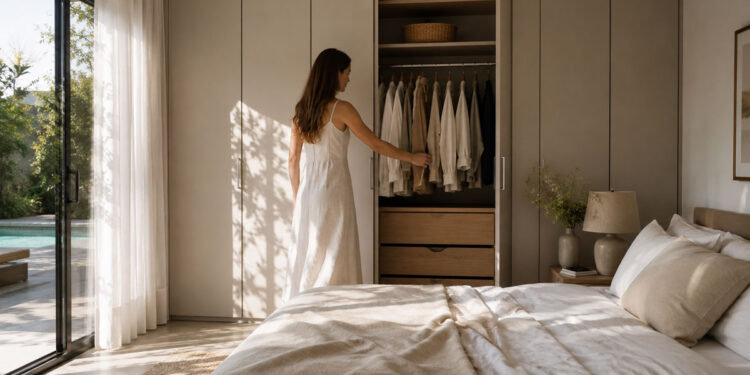
Most summer wardrobes contain more than they need. Not an abundance of great pieces, but a collection of items that are only almost right – kept because they might come in useful one day, taking up space alongside the handful of clothes that actually get worn on repeat. The change that would improve most summer wardrobes is not adding more options. It is editing out the pieces that no longer earn their place.
Starting with what you actually wear
The starting point is deciding what each piece in your wardrobe needs to do, then removing anything that cannot do it. For summer specifically, the useful questions are: does it work in the heat? Can it go to more than one kind of occasion? Does it look good without requiring a lot from everything around it? Minimalist long dresses score well against all of these.
A well-chosen long dress in a solid neutral or an unfussy fabric stays cool, moves easily between a Yorkshire garden and a summer holiday, and does not need accessories or careful layering to look intentional. The minimalist in the name matters: this is not about fashion-forward simplicity, it is about clothes that step back and let you get on with things.
The edit most summer wardrobes need
Start with the pieces you have actually worn in the past three months. If it is an honest count, most people find it is a small fraction of what they own. The rest is speculative – kept for an occasion that has not arrived, or held onto out of guilt about the original purchase. A Yorkshire summer, for all its unpredictability, does not require as many contingency outfits as most wardrobes suggest.
Just like packing for a Canary Islands cruise, the best decisions come from thinking clearly about what you will actually do, not what you might do. The same logic applies to dressing for summer at home.

Fewer pieces, more confidence
When you own fewer things but everything you own suits you, getting dressed becomes uncomplicated. You open the wardrobe, and the decision is already made. There is also a broader case for it: fashion’s environmental footprint is significant, and buying less and wearing what you have for longer is one of the most straightforward ways to reduce it.
What a minimal summer wardrobe actually looks like
Two or three long dresses, one pair of light trousers, a good white shirt, one versatile jacket, and two pairs of shoes. That covers most of what a British summer produces, from a walk in the Dales to a dinner in Harrogate. The discipline is resisting the additional items bought on impulse – the things that are almost right but not quite, the sale pieces that seemed too good to pass up.
The return on getting this right
A wardrobe that requires no thought is a small but consistent source of simplicity in a schedule that generates complications from every other direction. Getting a few things genuinely right is worth more than having many things that are almost right.