The Last Eden: Birdwatching in Trinidad, Tobago and Guyana – Travel Review
By Kevin Pilley, October 2026
A new birdwatching era is beginning.
An increasingly inescapable digital society is driving a return to the simple pleasures of the natural world – for Generation X, millennials and older generations alike.
Ornithology is trendy. And birdsong is making a comeback.
Birdwatching not only improves physical health but also has lasting positive effects on mental wellbeing. It offers access to a community of passionate people keen to share their knowledge and encourage others to help conserve birds and their habitats. Twenty-five per cent of bird species face extinction.
It is not about twitching.
It is about feeling alive. Lying asleep all day on a beach sometimes doesn’t achieve that.
Being surrounded by birds does.
“Life-changing”
The choice of holiday destination is increasingly influenced by the answer to ‘How many species of birds and plants are there?’ rather than ‘How hot is it going to be?’
But there is a problem with avifauna-focused – or ‘birdy’ – holidays.
And that’s: where?
And which biosphere?
Colombia pips Peru for the most bird species in the world: nearly 2,000. Indonesia has more birds than Costa Rica; Madagascar sounds as inviting as Mozambique.
To a major biome fan and natural world enthusiast, at least.
But it all depends on who is going. Would every member of a family want to go all the way to Colombia to see a red-ruffed fruitcrow? Would they all be happy to join the search for a resplendent but infamously elusive quetzal?
Japanese fish owls, Ural owls, Palearctic accentors and French wallcreepers make great holiday companions for some. But not all. Not everyone would go to Taiwan for a glimpse of a blue magpie.
Wildlife encounters are life-changing. That first sloth, toucan or anteater stays in the memory. As does a whale or lion. Seeing a tiger in the wild is always memorable because it’s so rare. But what is a traveller’s penguin threshold? How many penguins, emperor or otherwise, does it take to make someone blasé? And how long before the novelty wears off completely?
“Unspoilt”
Do people go toucan-spotting more than once? How many Galápagos wildlife cruises are enough? Could anyone watch Dutch eiders for longer than an afternoon? And once someone has seen one spectacular starling murmuration, haven’t they seen them all?
Shouldn’t travellers feel they ought to be making the most of the Earth’s biodiversity and seeking out new places, such as Zambia’s Bangweulu Wetlands?
Ancient Africa is an emerging ‘birdy’ destination. But slowly. Some are more than willing to go to Gabon in search of the enigmatic African river martin. Others want to explore the skies and trees of Gambia and Senegal. But they remain a minority.
Early spring in the Scottish Highlands sounds safer and more comfortable.
Companies such as The Travelling Naturalist, Wildlife Worldwide, Responsible Travel, Reef & Rainforest and Birdquest all offer birdwatching holidays.
But where is the last Eden?
It isn’t Alaska, Costa Rica or Romania’s Danube Delta any more. Where is the last unspoilt, pristine major biome?
Trinidad and Tobago, perhaps.
Or Guyana.
“Guide on hand”
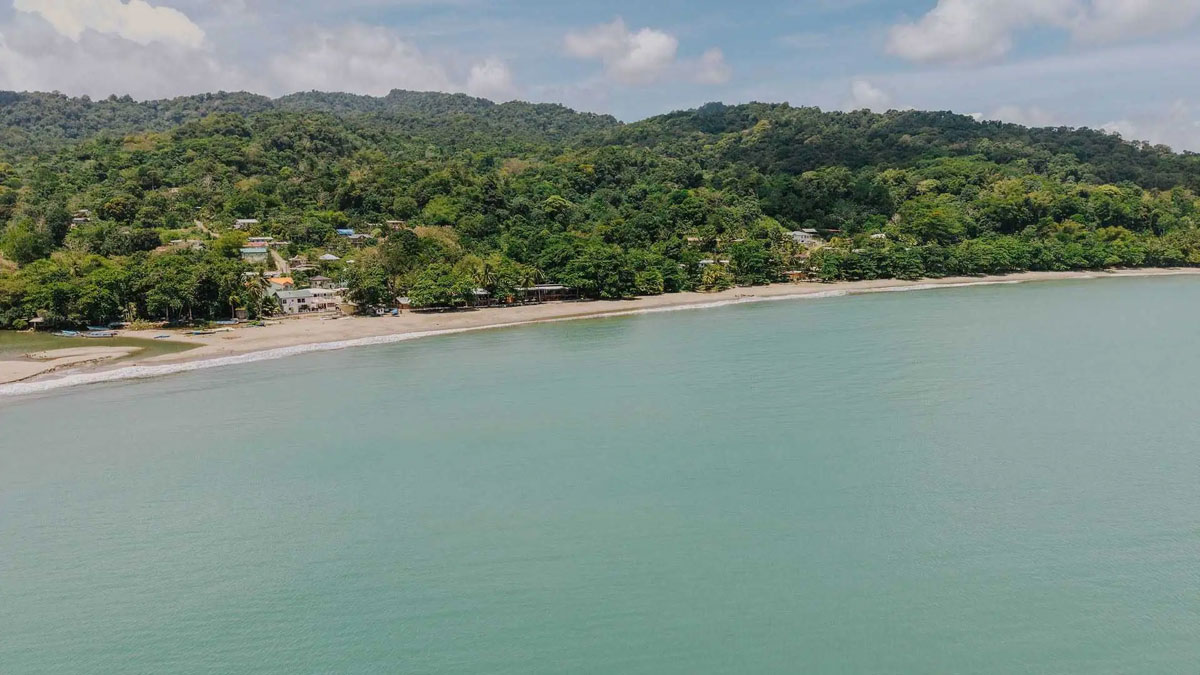
The twin-island Caribbean nation hosts over 450 bird species across compact and very accessible habitats. Tobago features the oldest protected rainforest in the Western Hemisphere, while the offshore sanctuary of Little Tobago is famous for its high-flying colonies of red-billed tropicbirds and magnificent frigatebirds.
There’s also the world’s largest brain coral.
And there are no annual tourist stampedes.
The lead vocalist of the Tobago dawn chorus is definitely the cocrico – the rufous-vented chachalaca, Tobago’s national bird.
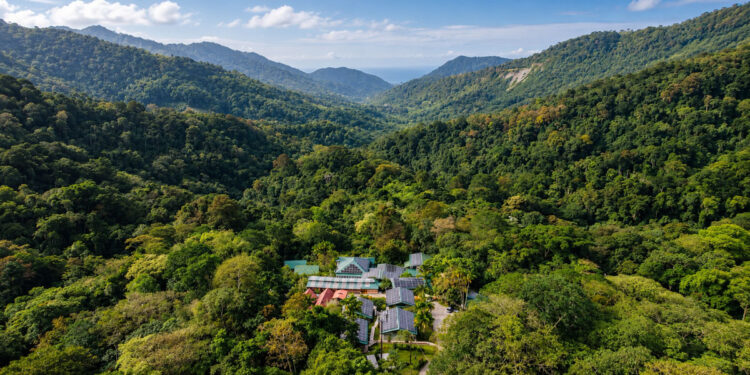
Guests based at the world-famous Asa Wright Centre breakfast with honeycreepers and hummingbirds, bearded bellbirds and piping guans. At dinner, they watch scarlet ibises coming in to roost in the treetops alongside tree boas and cowbirds.
With their first cup of coffee of the day in hand, they can also watch river otters.
The 250-acre Asa Wright Centre was established in 1967. The journey there passes nutmeg, cashew, mango, cacao and breadnut trees, as well as chayote, or christophine squash, accompanied by constant birdsong. All of its 29 rooms are named after endemic birds.
Sugar-water feeders and flowering shrubs beside the verandah, overlooking the Arima Valley, attract white-necked jacobins, white-chested emeralds, copper-rumped hummingbirds, black-throated mangos, brown violetears and long-billed starthroats, allowing guests to get up close and personal.
As well as a tufted coquette or two.
A postman butterfly is almost guaranteed. Butterflies are everywhere.
Elsewhere, during the day on the Discovery Trail, visitors might see a violaceous euphonia, a crested oropendola, a red-rumped agouti and a golden tegu, with a guide on hand to identify them.
Which is far more thrilling than hearing a voice announce that its owner is from Texas.
“Luminous”
As the light fades and the cicadas and frogs tune up, in come long-tongued bats. Trogons might make an appearance at dusk, or perhaps a pair of black-tailed tityras.
On a night walk, red torchlight may reveal harvestmen, a big brown leaf-like katydid, a chevron tarantula, land crabs and a luminous click beetle flashing green.
There are organised trips to the Dunstan Caves to see echolocating oilbirds. At the Mount Plaisir Estate, visitors might spot a pawi, some chivi vireos, a tropical pewee or an elaenia. By the river at Trincity, herons stalk the local red and black tilapia. Out in the Caroni Swamp, more new sounds and sights await.
Music is very important in the Caribbean, whether that means reggae, steelpan or bullfinch singing contests. Towa-towas and twa-twas are highly prized songbirds. Sadly, one of the greatest singers – the sooty grassquit – was made extinct by trappers supplying the caged-bird trade.
No two dawn choruses are the same. In Trinidad, the house band comprises the drumming of a lineated woodpecker, the harmony of a trio of male yellow-bellied seedeaters, a solo attila and a flutey cocoa thrush backed by a semp. As well as a snarling antshrike frontman.
All ignoring, and being ignored by, a flock of a dozen or so blue-headed parrots feeding on the seed pods of a nearby immortelle.
Sleep on the beach? In Trinidad and Tobago, visitors keep their ears and eyes open for as long as possible. Both islands have very active avian orchestras that perform daily, all year round.
“Virtually untouched”
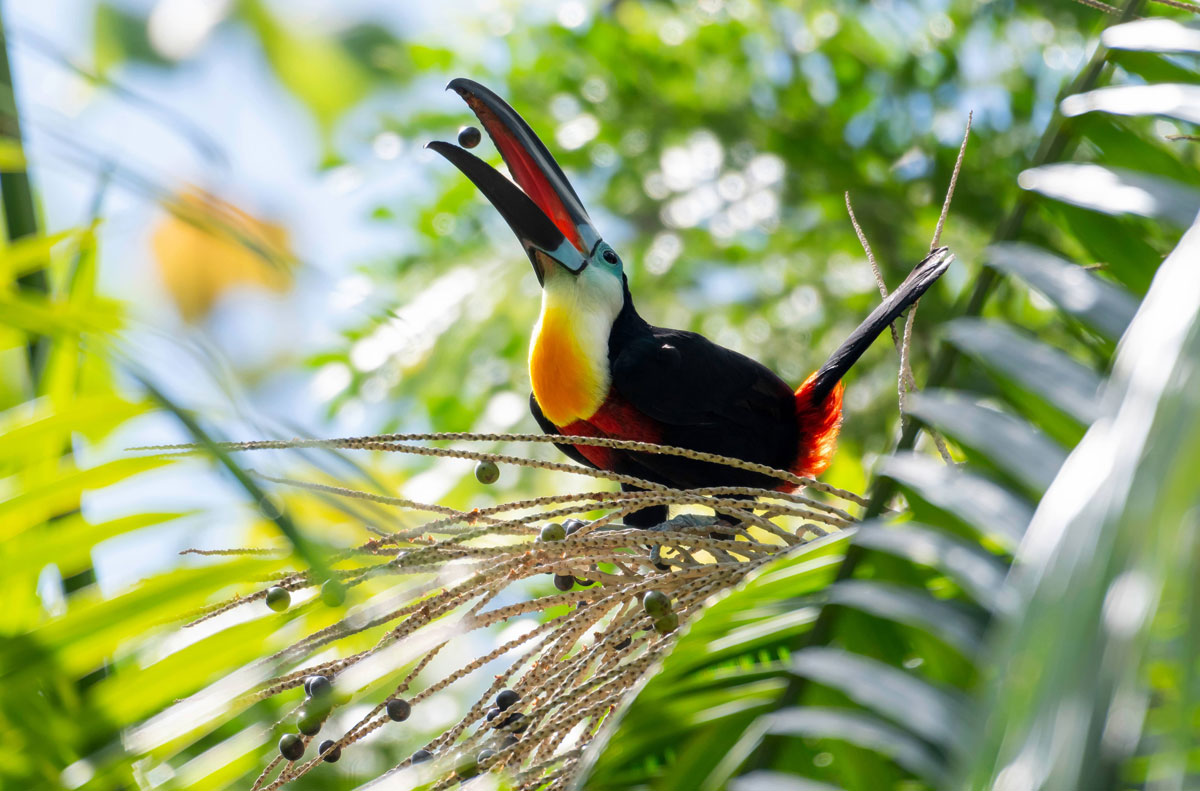
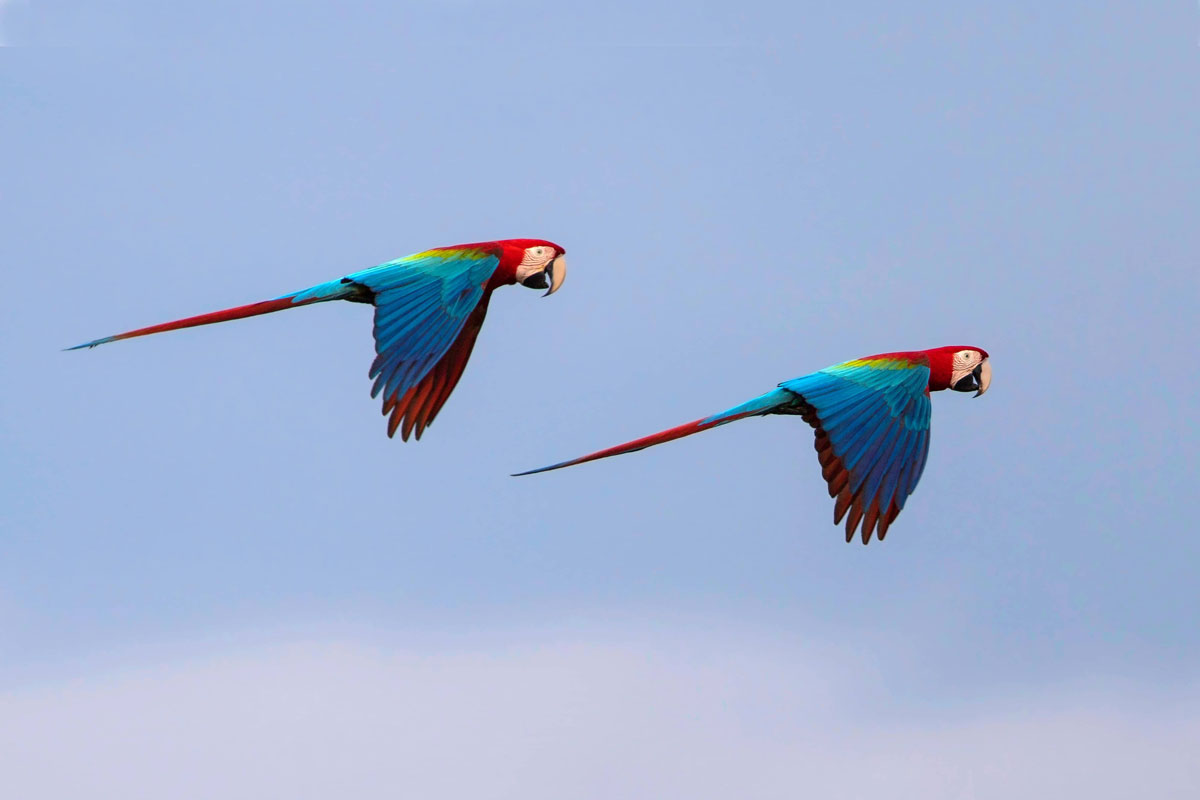
They are the only places in the world where guests can sleep inside a squirrel cuckoo, a spectacled owl, a blue-headed parrot, a channel-billed toucan or a white-bearded manakin.
As well as listen to a brown moustache.
Guyana is another fantastic, unsung birdy paradise. Its interior is virtually untouched by human development. Eighty per cent of the country is covered by rainforest, with 800 species of birds, more than 300 species of reptiles and 6,500 types of plants.
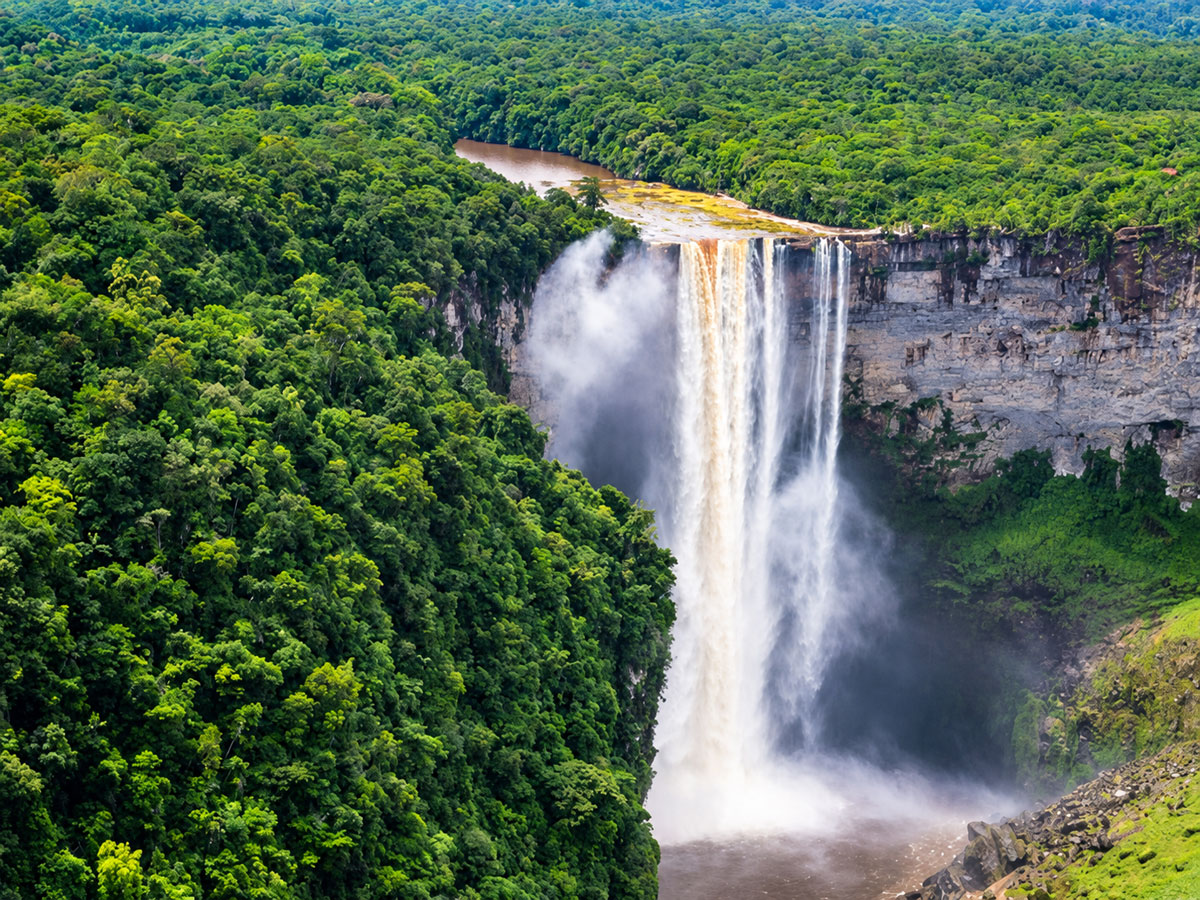
It boasts a fifth of the world’s tropical forest and only 500 miles of road. On the Potaro River, Kaieteur Falls – at 741 feet, five times the height of Niagara – is the world’s largest single-drop waterfall. The local swifts are called makonamia birds. The cloud forest system is also home to the world’s largest bromeliad. That’s why nature nerds flock there. But not in great numbers.
Annual visitor numbers are allegedly lower than those Machu Picchu receives in a day!
The trip starts in Georgetown’s Botanical Gardens, where visitors can tick off the tropical kingbird, greater and little kiskadees, red-shouldered macaw, laughing falcon, white-bellied piculet, tropical mockingbird and blue-grey tanager. The capital alone is home to 200 bird species.
“First sighting”
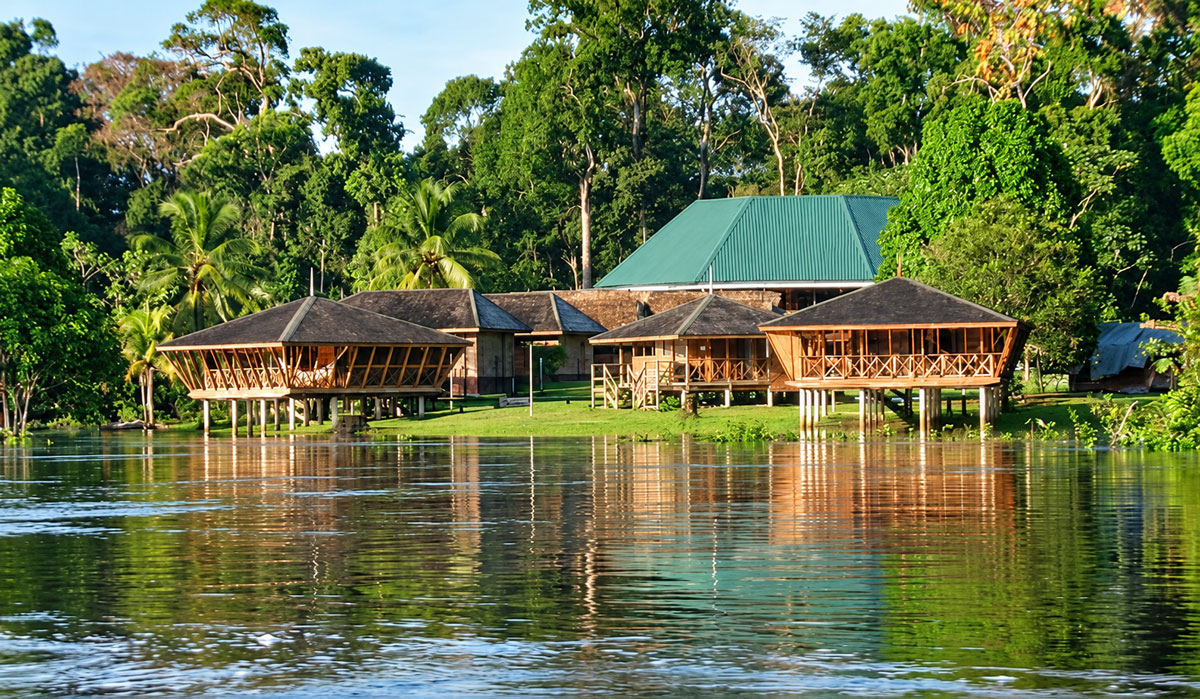
At Caiman Lodge, visitors might see an anhinga, or snakebird. Paddling a dugout through a mangrove channel to the Rupununi River, they will soon have their fill of jacanas and may be lucky enough to see a pair of gallinules walking over the lily pads.
Between fishing for peacock bass and hooking into a 400 lb ‘living dinosaur’ – an arapaima – there is plenty more to see. On a misty dawn cruise from Rewa River Lodge, with its bijou thatched benab huts, visitors might spot a family of kinkajous – nocturnal creatures similar to African bushbabies – and get the chance to photograph a spectacled caiman on an iPhone.
Visitors of all ages will love searching for Goliath bird-eating spiders and jaguar claw marks on trees, waiting outside a large tarantula burrow, and soaking up Johnson’s View, Rainbow View and Boy Scout’s View. Some people prefer views to tarantulas.
On an Essequibo River trip from Iwokrama River Lodge, the canopy comes alive with howling baboons, mooing capuchins, anonymous trumpeters, nameless passerines and a mysterious avian chainsaw mimic. Near Atta Rainforest Camp is the Iwokrama Canopy Walkway, from which visitors may spot a harpy eagle.
In Guyana, there is no nature one-upmanship. Visitors can get excited at their first sighting of a Guianan cock-of-the-rock or a hoatzin, the national bird, confident that the person with binoculars next to them – usually the self-appointed taxonomy expert, motmot man and conspicuous solo traveller – will not sigh and say, ‘They’re everywhere. Sightings hardly seem worth counting.’
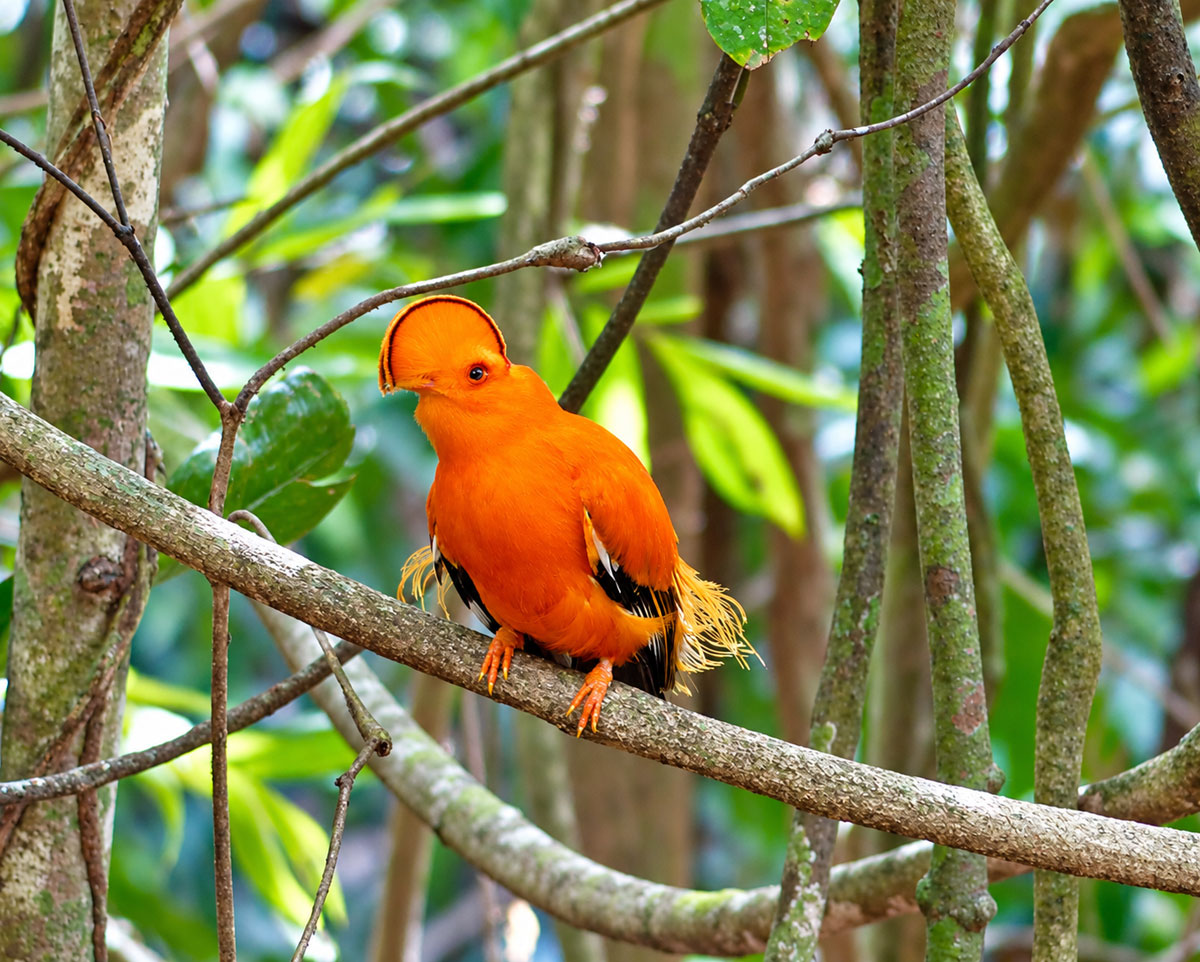
Guianan cock-of-the-rock
“New worlds”
It is not that sort of bitchy, birdy place.
Thankfully, then, there are still new worlds for birdwatchers to discover.
Extremadura in Spain may be Europe’s last wilderness. It is another Important Bird Area (IBA).
Travellers just have to choose what they want to see first.
An adult Caribbean zigzag heron or a juvenile fasciated tiger heron from north-eastern South America.
Or a European hoopoe.
A single crestless curassow doesn’t make a wet season.
Nor does a nocturnal white potoo make a hot one.
Easy Birding in Trinidad – wildlifeworldwide.com
Price: from £5,395pp sharing, including 7 nights’ accommodation, all meals, guiding, transfers and return flights from the UK with Wildlife Worldwide (wildlifeworldwide.com, 01962 302086). Depart 15 March 2027.
Or for Guyana and Trinidad & Tobago:
Caribbean Wilderness – Trinidad, Tobago & Guyana
Price: from £11,795pp sharing inc. international and internal flights (London – Trinidad – Georgetown Guyana – Guyana interior- Tobago – London), 17 nights’ accommodation, boat trips, guiding, and most meals with Wildlife Worldwide (01962 302086, www.wildlifeworldwide.com).

Kevin Pilley is a former professional cricketer and the ex-chief staff writer of PUNCH magazine. His humour, travel, lifestyle and food & drink work appears worldwide. He has been published by over 600 titles.