Signs Your Staircase Is Ready for an Upgrade
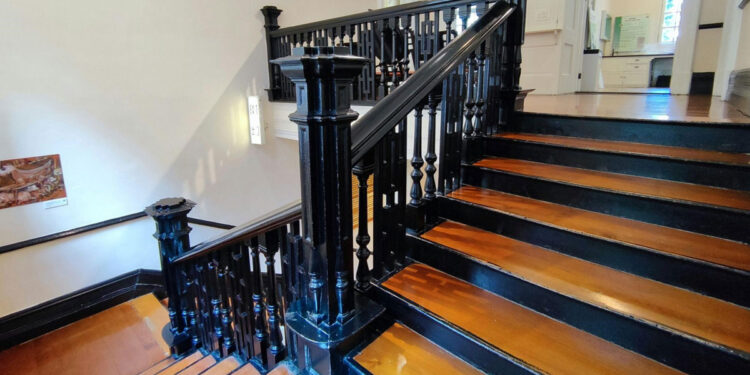
Physically and aesthetically, the staircase is the focal point of any property. It is the first thing guests see when they enter through the front entrance, connects every floor of the structure, and receives the most foot traffic of any interior surface. Despite their importance, staircases are often the last part of a property to be renovated. Professional finishing experts like Thistle Decorators frequently encounter stairs that have been neglected for years while the surrounding areas have been renovated, creating a striking contrast between a modern interior and a worn-out focal point. Owners can decide whether to upgrade a staircase before degradation becomes a safety concern by being aware of the warning indicators.
Visible Wear That No Amount of Cleaning Addresses
Handrails, balustrades, and stair treads all experience surface wear to the point that washing and polishing can no longer bring them back to their former state. The surface has been depleted rather than just soiled, as seen by timber treads that are hollow in the middle, varnish that has totally abraded in the most utilised regions, and painted surfaces where what’s underneath is visible despite frequent repainting.
This distinction is important because it affects the efficacy of a cosmetic procedure. When years of wear have caused a surface to lose its structural integrity, fresh paint will temporarily make it appear acceptable until the underlying issue reappears. Instead of hiding the substrate’s state, proper restoration or replacement takes care of it.
Creaking, Movement, and Structural Concerns
It is important to pay attention to structural information communicated by a staircase that creaks with each step, has treads that flex noticeably under foot pressure, or has newel posts that move when grabbed. These movements and sounds are more than just aesthetic issues. They show that the assembly is no longer a firm construction because the joints have loosened, the fasteners have come loose, or the wood has dried and shrunk.
In contrast to normal home wear, structural deterioration in a staircase has safety consequences. A baluster that has become loose enough to rip free, a tread that flexes enough to trap a foot, or a handrail that breaks under weight are all real risks, especially for small children and older family members who rely on the structure’s stability on a daily basis.
Outdated Style That Contrasts With the Rest of the Home
Homes go through decorative cycles that rarely incorporate the staircase. A five-year-old kitchen, freshly refurbished bathrooms, and frequently redecorated living spaces might keep a staircase untouched from its original installation for two or three decades. The resulting stylistic difference between modern interiors and a staircase made to meet the aesthetic standards of a bygone era creates visual discord that subtly degrades the quality of everything around it.
Period associations are instantly discernible in spindle profiles, newel post designs, and balustrade forms. The overall cohesion of the interior is diminished when a staircase whose style is from a different decade than the rest of the house is read as an accident rather than a purposeful design decision.
Paint and Finish That Has Lost Adhesion
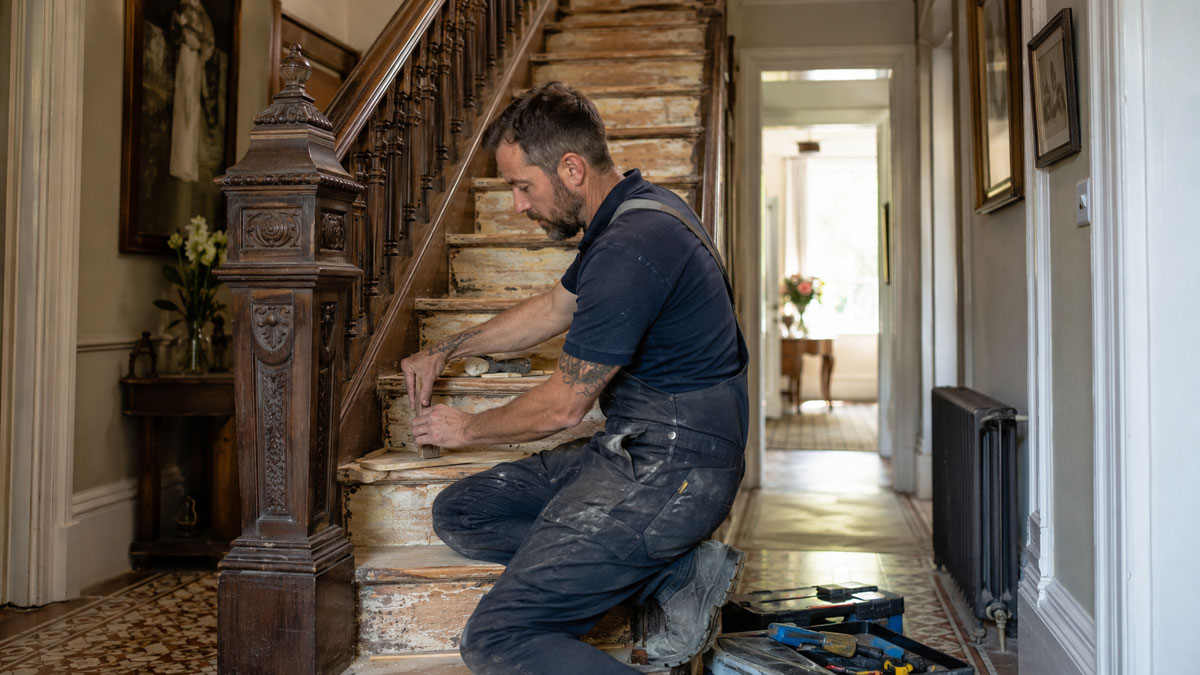
Compared to paint on walls or ceilings, paint on stair components—especially risers, strings, and spindles—is more stressed. In contrast to wall paint, thermal movement, impact, and the continuous friction of touch all work against adherence. Paint has reached the end of its useful life and needs to be properly prepared and recoated rather than just touched up when it starts to chip, peel, or lift at the edges, instead of just looking dull.
Painting over lifting or peeling paint without fixing the adhesion issue only makes the issue worse rather than better. Professional preparation, which includes scraping failing paint back to a sound substrate, priming properly, and applying new coats correctly, is the only strategy that creates a long-lasting outcome.
Property Value and the First Impression Problem
Staircases are a characteristic that buyers notice disproportionately during viewings, according to real estate brokers. A tired, old or antiquated staircase in an otherwise well-presented home casts doubt on how well the property has been maintained, regardless of the overall state of the building.
When moving between floors, the staircase is often the first interior feature that can be seen from the front door. Its state conveys an ongoing and inevitable message about the general level of upkeep of the house. An improved staircase, professionally finished and well-maintained, contributes to a favourable first impression that encourages strong buyer interaction and confident bids from those actively evaluating the home.
When the Signs Add Up
When taken separately, any one of these symptoms could be written off as a minor issue. When several are present at the same time, the case for upgrading becomes far more compelling than the sum of its parts. A staircase that exhibits surface wear, structural movement, and a style that is out of step with the rest of the house is more than just an indication of ageing. It actively degrades the property’s worth, safety, and quality. Addressing it correctly, with the preparation, materials, and finishing that a staircase’s central location requires, transforms one of a home’s most obvious aspects into something that truly deserves the attention it receives.