Feeling Overwhelmed? Journaling Could Be the Answer

The Mental Health Foundation reports that 74% of UK adults have felt so stressed at some point that they felt overwhelmed or unable to cope. That’s not a fringe experience or a sign that something has gone wrong for a particular group, but the reality most of the population faces. As the modern world accelerates each year, getting through the week on whatever’s left after work, relationships, and finances exhausts more and more resources.
There’s no single fix for that, despite all the magical tools bloggers with perfect social media profiles try to sell. Some methods of stress relief stand the test of time, though, and one of them is writing things down. This simple idea integrates real psychological science, creating spaces like the guided journal, which offers prompts to clear the mental mess and validate your emotions. How does it work? Read on.
Why Modern Life Feels So Overwhelming
Part of it is volume. The average person now consumes roughly five times more information per day than someone in 1986 did, according to research from the University of California San Diego. The brain hasn’t evolved any mechanism for handling that gracefully. Notifications, news, messages, and decisions all land in the same place, and very little gets properly processed before the next thing arrives.
The pressure to be productive on top of all that doesn’t help. There’s a persistent cultural expectation that busyness is a virtue, so most people feel guilty about the downtime their brain needs and end up neither resting nor focusing properly. That combination of too much input and not enough recovery causes much of the overwhelm.
What Journaling Actually Does
It Gets Thoughts Out of Your Head
Worries that stay in your head tend to loop. They don’t resolve; they just keep coming back, taking up attention each time. Writing them down interrupts that cycle in a way that’s hard to replicate otherwise, not because the page solves anything, but because externalizing a thought forces you to finish it rather than letting it spin indefinitely.
It Slows the Mental Noise Down
Writing is slower than thinking, which is the point. You can’t type or scribble as fast as thoughts arrive, so the process naturally filters some out and forces reflection that most daily activities don’t allow. That slowing down, even briefly, tends to change how whatever you’re dealing with actually looks.
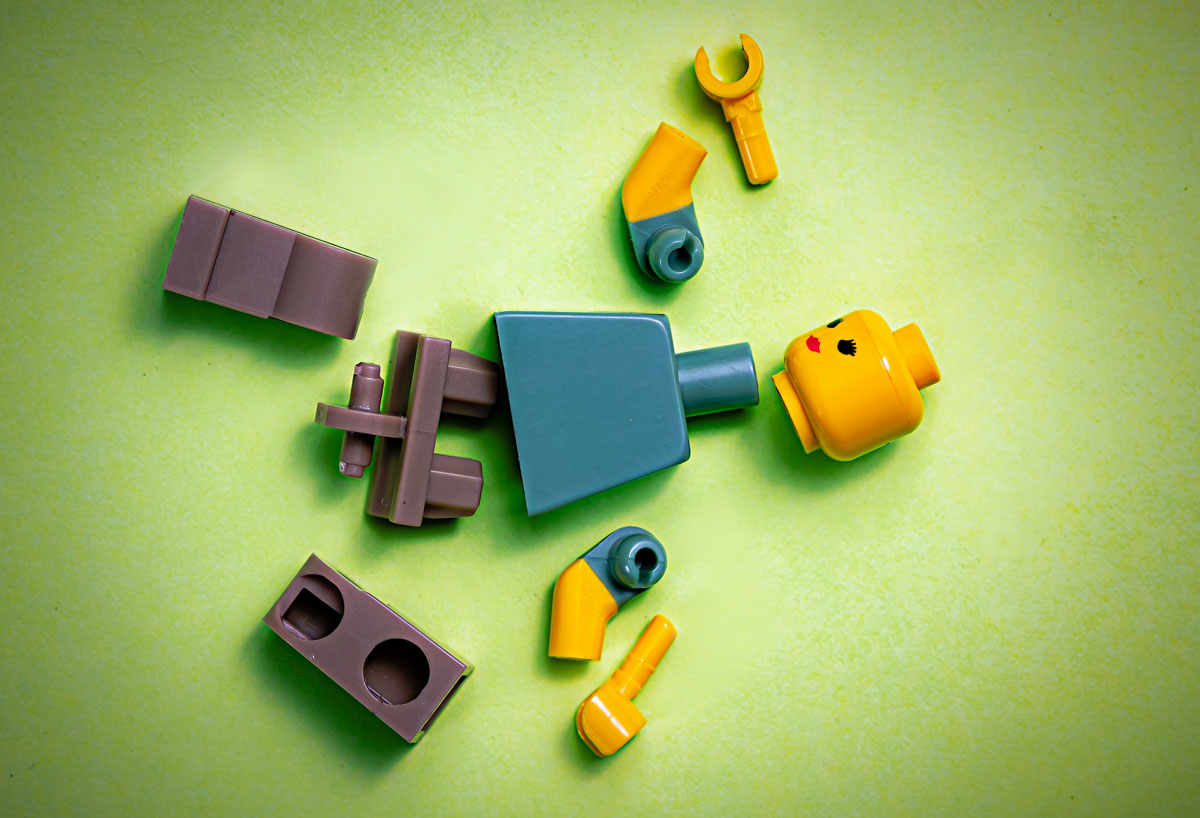
It Helps You See What’s Actually Going On
Most people have a vague relationship with their own patterns, a general sense of what stresses them or derails their focus, but little precision. A journal kept over a few weeks starts to show you things: situations that drain you, times of day when you’re at your worst, worries that keep resurfacing. That self-knowledge is hard to build without a record.
The Practical Benefits People Notice
Better Focus Day-to-Day
Writing down priorities before the day starts, even a rough list of what needs to happen, makes it easier to stay on track once things get busy. The mental clutter doesn’t disappear, but stops competing for attention the same way.
Lower Background Stress
● Putting a worry into words tends to reduce its size.
● Distance from a problem on the page often produces a perspective that’s hard to reach when it’s still in your head.
● Regular writing gives the nervous system a chance to process rather than just accumulate.
Knowing Yourself a Bit Better
Recognising your own patterns is useful and surprisingly difficult without a record to look back at. Over time, a journal becomes an honest account of what’s working and what isn’t, which is more actionable than a general feeling that things could be better.
How to Start Without Making It a Project
Keep It Short
Five minutes is enough. There’s no word count or standard to meet, and treating it like a small daily task rather than a meaningful ritual makes it easier to sustain. The benefits come from consistency, not how much you write on any given day.
Use Prompts When You’re Stuck
A blank page is the main reason most people give up early. Simple questions work better: what’s taking up the most space in my head right now, what do I want less of this week, what went better than I expected. Prompts give you somewhere to start and tend to lead to more useful reflection than staring at an empty page does.

Attach It to Something You Already Do
Morning coffee, lunch, getting ready for bed: linking journaling to an existing habit removes the daily decision of whether to do it, which is usually where consistency breaks down. It doesn’t matter much when you do it, as long as the timing is realistic for your life.
What Usually Gets in the Way
● Perfectionism. People write one entry, decide it wasn’t good, and stop. The quality of writing is irrelevant; nobody else will read it.
● Inconsistency. Missing a few days feels like failure, which leads to giving up entirely. It isn’t failure; all that’s required is picking it back up.
● Not knowing what to write. This is what prompts are for. Starting with a single question is enough.
Finding a Format That Suits You
Free writing works well for people who find structure restrictive and just want to get thoughts out without direction. Structured formats suit those who find the blank page paralyzing or want more guidance around goals and habits. Prompt-based journals sit somewhere between these, offering enough of a starting point to make the habit easier to maintain without prescribing what you write. Readers who prefer that approach might find it worth looking at what’s available through Headway Shop, which carries structured options built around daily reflection.
Conclusion
Journaling won’t reorganize a chaotic life on its own, but it gives you a better vantage point from which to do that yourself. A few minutes of honest writing each day tends to produce clearer thinking, lower baseline stress, and a more accurate picture of what’s going on. The barrier to entry is low, the time investment is minimal, and the main requirement is showing up on the page with some regularity. That’s usually enough to notice the difference.