The Day the County Stopped: Yorkshire’s Greatest Football Moments
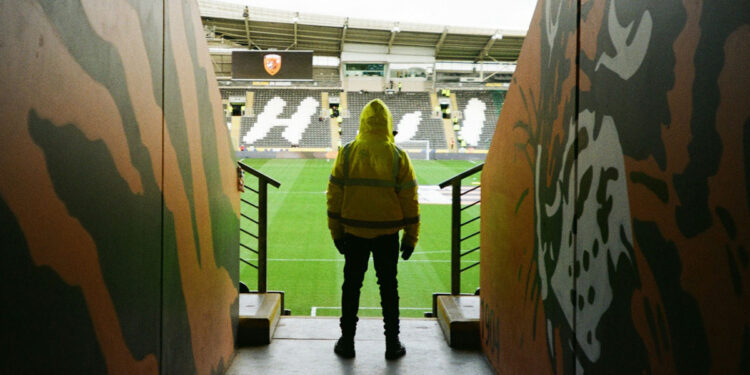
Yorkshire measures football history in goals, trophies and stories passed between generations. Its roots stretch back to Sheffield FC’s foundation in 1857, giving the world its oldest football club. From mill towns to steel cities and the Humber waterfront, the game has given places a way to tell their own stories. Long before modern match analysis and sports betting tips became part of football culture, Yorkshire clubs were already creating some of the game’s defining moments.
Bradford, 1911: Bringing the cup home
Jimmy Speirs scored as Bradford City beat Newcastle 1-0 in the FA Cup final replay at Old Trafford. The trophy had been made by Bradford’s Fattorini & Sons and hallmarked in Sheffield. Its first winners brought it home: a perfect meeting of Yorkshire craftsmanship and footballing pride.
Huddersfield, 1926: Three times champions
Town became the first club to win three consecutive English league titles, following their successes in 1924 and 1925. Herbert Chapman built the foundations; Cecil Potter completed the sequence. A textile town had set a national standard, leaving supporters a history to cherish through every lean season that followed.
Leeds, 1972: Clarke’s Wembley moment
Allan Clarke’s 53rd-minute goal gave Don Revie’s Leeds a 1-0 FA Cup final victory over Arsenal. Mick Jones, who created the winner, later needed Norman Hunter’s help to collect his medal after dislocating his elbow. Together, those images captured the skill and solidarity that made this team beloved at Elland Road.
Sheffield Wednesday, 1991: Wembley glory
Playing in the Second Division, Wednesday beat Manchester United 1-0 in the League Cup final, thanks to John Sheridan’s goal. Ron Atkinson’s side also won promotion that season. For Sheffield’s blue-and-white half, the cup confirmed that a famous old club could still command the biggest stage. One strike turned an uncertain season into a memory that would outlast the league table.
Sheffield United, 1994: The cruelest finish
The Blades twice led Chelsea on the final day, only for Mark Stein’s late winner to condemn them to a 3-2 defeat and relegation. It remains a defining afternoon because disappointment reveals how much supporters have invested. A season ended painfully; the bond with the club survived the journey home.
Barnsley, 1997: Oakwell’s impossible dream
Goals from Paul Wilkinson and Clint Marcelle secured a 2-0 win over Bradford and Barnsley’s first top-flight promotion. In a town shaped by coal mining, football offered a fresh reason for celebration. The Premier League became real at Oakwell, giving generations of supporters an extraordinary afternoon to share.
Middlesbrough, 2004-06: Cups and comebacks
With its roots in Yorkshire’s historic North Riding, Middlesbrough brings a fierce Teesside identity to this story. Boro won their first major trophy in 2004, beating Bolton 2-1 in the League Cup final.
Two years later, they overturned a three-goal aggregate deficit against Steaua Bucharest to reach the UEFA Cup final. Massimo Maccarone’s 89th-minute header completed a 4-2 victory on the night. The Riverside had witnessed resilience at its most thrilling.
Hull, 2008: A hometown hero
Dean Windass’s volley beat Bristol City 1-0 in the Championship play-off final, taking Hull into the top flight for the first time. Hull-born and 39 years old, Windass gave the goal a special warmth. A local player had delivered the moment his city had waited a lifetime to see.
Across these memories, Yorkshire’s industrial heritage meets ambition, persistence and belonging. Football grounds give communities a gathering place and families a shared calendar. Success belongs to everyone who kept turning up. So does the resolve to return after defeat, carrying the same colours and another season’s hope. Years later, supporters remember the goal – and the person standing beside them.