Northumberland International Dark Sky Park: Planning Your First Stargazing Visit
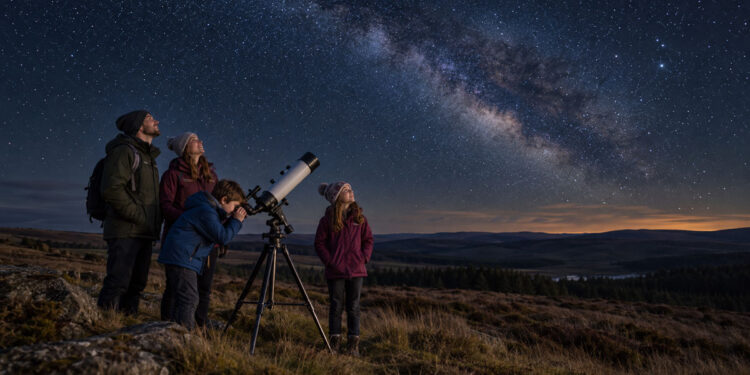
A night in Northumberland International Dark Sky Park starts with a specific destination: an independent viewing spot or a booked astronomy session. The park is a designated landscape rather than a single attraction with one entrance, so your choice of location shapes the evening, from the equipment you bring to the journey home.
Find your place within the park
According to Northumberland National Park’s visitor guidance, the designated area encompasses all of the national park and most of Kielder Water & Forest Park. Its recognition reflects the quality of the night sky and efforts to protect it from light pollution.
Choose a named location and use its arrival directions. An independent observing site and an organised event can have different parking arrangements, facilities and instructions for reaching the viewing area.
For a group leaving Newcastle, match the transport to that destination. When comparing options such as Coach Hire Newcastle, give the operator the exact address and confirm suitable vehicle access with the venue. Arrange collection around the evening’s finish time, rather than sunset.
Choose independent stargazing or a guided session
Independent observing offers flexibility: you can set your own pace, spend time identifying constellations and watch how the sky changes. Naked-eye viewing is a worthwhile starting point, with binoculars offering a next step before buying a telescope.
Visit Kielder’s dark-sky guide names locations including Tower Knowe and Hawkhope. Use these as starting points for planning, then establish night-time access and available facilities at your chosen spot. For anyone with mobility requirements, the distance and surface between parking and the observing area deserve particular attention.
A guided session suits beginners who want help interpreting what they see or using unfamiliar equipment. Kielder Observatory offers organised astronomy experiences; read the individual session description for its subject, intended audience and booking details. Families should look at age guidance and finish times when choosing an event.
Decide on the format before buying equipment. For a session involving telescope viewing, find out what is supplied and what visitors should bring.
Plan around darkness and moonlight
Autumn and winter bring longer nights, making an evening outing easier to schedule. Summer observing involves later darkness and longer twilight, so allow for that when deciding how late your group is willing to stay. The sky takes time to darken after sunset.
A bright Moon makes faint stars and the Milky Way harder to distinguish. Check both its phase and when it will be above the horizon: a moonless part of the evening can be useful if faint objects are your priority.
The Moon is also an observing target in its own right. Someone interested in its surface will want different conditions from a visitor hoping to pick out the Milky Way. Choose the date around your interests, rather than treating maximum darkness as the only worthwhile option.
Cloud cover needs separate attention. Dark skies describe low light pollution, not a weather forecast; check local cloud, wind and temperature close to departure.
Pack for stillness and protect your night vision
Dress for standing still outdoors rather than walking. Bring warm layers, a windproof outer layer, gloves and suitable footwear. A seat and hot drink can make independent observing more comfortable where the location permits them.
Prepare a simple star chart or sky-map app before travelling. If you use an app, learn its controls at home so you can spend more time looking upwards once you arrive.
Keep lights dim around observers. A dim red-light torch helps preserve dark adaptation, while bright phone screens and headlights interfere with it. Direct your torch towards the ground and follow the venue’s lighting instructions, keeping beams away from other people’s observing areas.
Safe footing comes first. Use enough light to move confidently between the vehicle and your viewing spot.
Make a plan for a cloudy evening
For an independent outing, decide before departure whether the forecast justifies postponing. That is preferable to bringing everyone to an exposed location to wait indefinitely for a gap in the clouds.
With a booked session, read the organiser’s weather policy and ask what the programme includes when telescope observing is unavailable. Cloudy-night programmes, cancellations and refunds depend on the event’s terms.
Agree how changes will reach the group and whether collection arrangements need adjusting. Keep the first visit’s goals manageable: recognising a constellation or learning to find a visible planet gives the evening a purpose beyond hoping for every spectacular sight in a tourism guide.