The Psychology Behind Why We Follow Popular Accounts
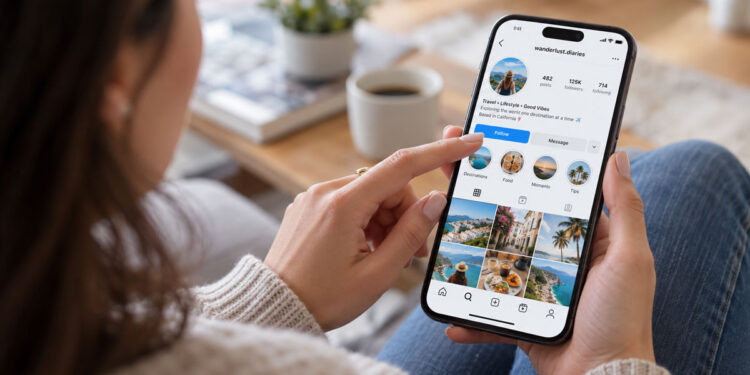
Why do we follow people we’ve never met? Why does a post with 20,000 likes seem more interesting than one with just 20?
The answer isn’t always about the content itself. It’s about how our brains react to popularity.
Whether we’re scrolling through Instagram, TikTok or Facebook, numbers can influence what catches our attention, who we trust and which accounts we decide to follow.
And most of the time, we don’t even realise it’s happening.
1. Popularity Makes Us Curious
Imagine coming across two Instagram accounts sharing similar content.
- Account A: 150 followers and a handful of likes.
- Account B: 50,000 followers and thousands of likes.
Which one would you check out first?
Many people would naturally be curious about Account B. After all, if thousands of people follow it, there must be something interesting about it, right?
Not necessarily. But that first impression can be powerful.
This is called social proof. We often use other people’s behaviour to help us decide what’s worth our attention.
It’s the same reason we’re drawn to busy restaurants, trending products and popular television shows.
2. Likes Change How We See Content
A like might seem like a tiny interaction, but thousands of them can make a post appear more interesting.
When we see a photo or video with lots of engagement, we might think:
- Why is everyone liking this?
- Is there something special about it?
- Am I missing something?
That curiosity can encourage us to stop scrolling.
For creators and businesses, this is why visible engagement matters. Some focus on better captions, shareable posts and collaborations, while others look for ways to get more Instagram likes to increase the numbers people see on their content.
However, likes don’t automatically mean a post is valuable or that its audience is genuinely interested.
The numbers might catch someone’s eye, but the content needs to give them a reason to stay.
3. We Don’t Want to Miss Out
Ever started watching a television series just because everyone was talking about it?
That’s FOMO, or the fear of missing out.
It happens on social media all the time.
When a creator suddenly becomes popular, people want to know why. They might follow the account simply to understand what all the excitement is about.
You can see this with:
- Fashion: A clothing trend everyone seems to be trying.
- Food: A restaurant that suddenly becomes famous online.
- Music: A new artist appearing on everyone’s feed.
- Travel: A destination that’s suddenly all over Instagram.
Sometimes, we follow popular accounts because we genuinely enjoy them.
Other times, we just don’t want to be the only person who doesn’t know what’s happening.
4. Big Numbers Can Create Trust
Would you trust a business with 50 followers or one with 50,000?
There’s no automatically correct answer. But follower counts can influence how established a business appears.
For example, imagine discovering a new skincare brand.
Its Instagram account has regular posts, lots of comments and people sharing their experiences.
That activity might make you feel more comfortable exploring its products.
Why? Because seeing other people interact with a business can make it seem more familiar.
However, popularity isn’t proof that a business is trustworthy.
Customer reviews, clear product information and genuine experiences matter far more than a follower count alone.
5. We Enjoy Being Part of a Community
Not every follow is about popularity.
Sometimes, we simply want to belong somewhere.
Think about fan accounts for musicians, gaming communities or people who share a particular hobby.
Following these accounts gives us opportunities to:
- Meet people with similar interests.
- Join conversations.
- Share opinions and experiences.
- Keep up with news about something we love.
The more active a community becomes, the more attractive it can feel to newcomers.
And once people feel included, they often have a reason to keep coming back.
That’s something follower numbers alone can’t create.
6. Familiar Faces Feel More Personal
Have you ever felt like you know an influencer even though you’ve never spoken to them?
Maybe you watch their daily videos, recognise their friends or know what their pets are called.
Over time, that person starts to feel familiar.
Psychologists call this a parasocial relationship. It’s a one-sided connection we can develop with someone we regularly watch or follow.
Social media makes these connections particularly easy because creators often share everyday moments.
Their content starts feeling less like entertainment and more like catching up with someone.
This helps explain why people sometimes stay loyal to creators for years, even when their content changes.
7. Popularity Gets Attention, But Personality Keeps It
Here’s something worth remembering: having a large audience doesn’t automatically mean having an engaged one.
An account with 100,000 followers might receive very little interaction. Meanwhile, a smaller creator could have a community that comments on nearly every post.
So what actually encourages people to stick around?
| What attracts attention | What keeps people interested |
|---|---|
| High follower counts | Content they genuinely enjoy |
| Lots of likes | Interesting conversations |
| Viral videos | Consistent posts |
| Trending topics | A recognisable personality |
| Popular recommendations | Trust and genuine connections |
For creators and businesses, the goal shouldn’t simply be to look popular.
It’s to give people a reason to follow, interact and return.
Final Thoughts
We’re naturally drawn to things that other people already find interesting. That’s why popular accounts often attract even more attention.
Follower counts, likes and comments can shape our first impressions, while FOMO, trust and a sense of belonging can influence who we follow.
But there’s a difference between getting someone’s attention and keeping it.
Popularity might convince someone to visit an account. What they find there will determine whether they hit the follow button.