How Multi-Drop Courier Services Handle Temperature-Sensitive Deliveries Without Compromise
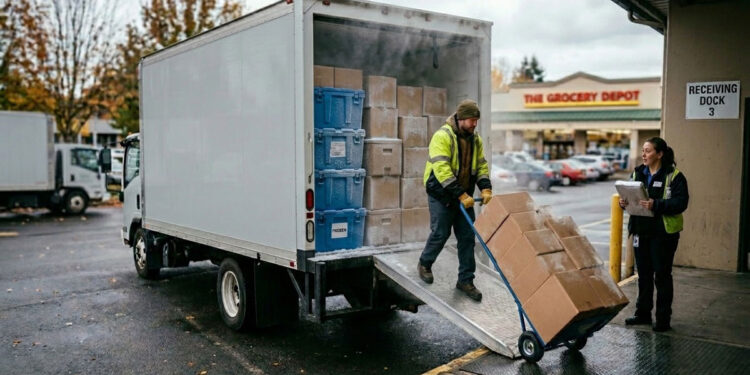
A single-drop refrigerated delivery is operationally simple, while a route that requires the vehicle to open, offload and reseal its cargo space several times during the working day is not. The difference between a well-managed multi-drop route and a poorly planned one is not marginal; it’s the difference between compliance and a costly, avoidable failure. This is where multi-drop courier services by Run It Cool come into play.
Why Multi-Drop Cold Chain Is a Different Discipline
The standard multi-drop logistics are designed to be as fast and efficient as possible between a series of stops. Multi-drop logistics with temperature control must not only be efficient but also ensure product condition throughout the entire route. Every time someone opens a door, it’s a thermal event. Unplanned delays increase exposure. There is a risk of damage or contamination at each handling step. A chilled or frozen multi-drop route is effectively managed by operational standards focused on temperature integrity, rather than layered onto a traditional courier model.
Vehicle Design and Compartmentalisation
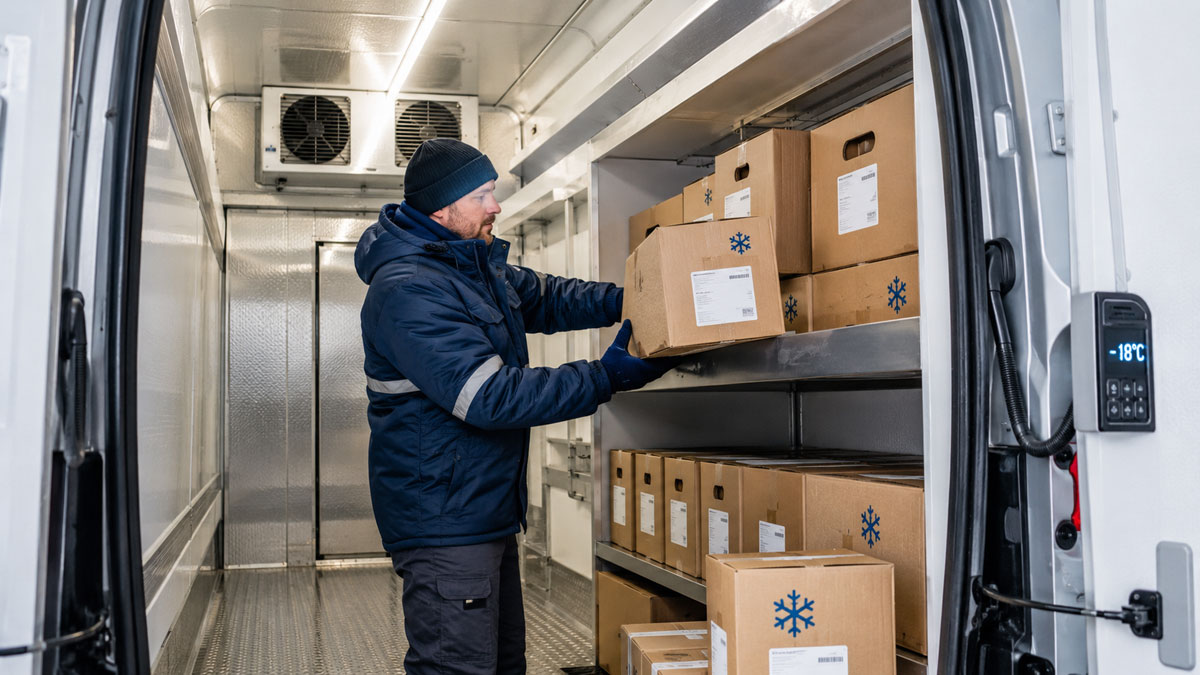
One of the most important factors in multi-drop cold chain performance is the vehicle’s physical specifications. These vehicles enable different areas of the load to be kept at different temperatures, so chilled and frozen products can be loaded on the same vehicle without affecting either. The range of insulated bulkheads, rapid door-seal systems, and standby refrigeration that maintains a constant temperature during loading and unloading is not a luxury feature. Still, it is essential for a vehicle that will be opened and closed many times during a working day.
Route Planning as a Temperature Management Tool
The sequence and timing of stops on a multi-drop cold chain route are not just a logistics optimisation question; they are a product integrity decision. Stops with the longest door-open times should be scheduled first to minimise impact on the remaining cargo. Delivery windows should be scheduled to minimise wait times at each delivery point. Routes should take into account traffic conditions and seasonal temperatures, which affect the rate at which the vehicle cab environment intrudes into the cargo space. The professional multi-drop operators don’t consider route efficiency and temperature management as separate issues.
Continuous Temperature Monitoring Across the Route
In a multi-drop context, temperature logging is not just a compliance requirement; it’s the operational record that enables any excursion event to be identified, located in the route sequence and attributed to a specific cause. Modern cold chain monitoring systems capture temperature data at shorter intervals than older systems, so they can detect short excursions that would go undetected by older systems. That level of detail is important for compliance and for the operational improvement discussions that enable a specialist provider to improve its performance over time continuously.
Driver Training as an Operational Standard
The most advanced vehicle and monitoring systems in the world are no good if the driver using them doesn’t know why they are there and how to keep them under pressure. Driver-level skills, such as loading sequence, door discipline, handling techniques, and driver recognition and response to equipment anomalies, directly impact product condition at the point of delivery. Multi-drop cold chain providers see driver training as an integral part of the business, not as a one-off induction process.
Documentation at Every Stop
A delivery record should be created for each delivery on a multi-drop cold chain route, including the time of arrival, product condition at delivery, temperature at the delivery point, and receipt confirmation. That documentation will safeguard both the courier and the client in the event of any dispute regarding conditions and will serve as the basis for any subsequent compliance audit. The providers that do not take stop-level documentation lightly are the ones with operations that can be audited – and that’s exactly what regulated industries need.
Handling Delays and Exceptions on the Route
Even with the best multi-drop plans, there will be times when things don’t go as planned. Several potential scenarios can cause traffic delays, recipient unavailability, access difficulties, and equipment anomalies, all of which a professional cold chain operator should be prepared to handle without compromising product integrity. Operational necessity is pre-defined exception protocols, which govern what the driver is to do if a delivery cannot be made as planned. One of the most obvious distinctions between specialist cold chain providers and general couriers operating in the cold chain sector is the quality of their protocols.
What Clients Should Expect from a Multi-Drop Cold Chain Partner
If a business is shipping temperature-sensitive multi-drop courier, it should not only expect delivery but also ensure it arrives. It should include documented evidence that the cold chain was maintained at each stop, an understanding of what was done when exceptions occurred, and a partner who can discuss route performance in detail to facilitate continuous improvement. Those expectations are not unrealistic, but are the norm for a serious specialist cold-chain provider.