Vinyl’s Unlikely Rival: Why the UK is Seeing a Surprising Surge in Cassette Tape and CD Sales
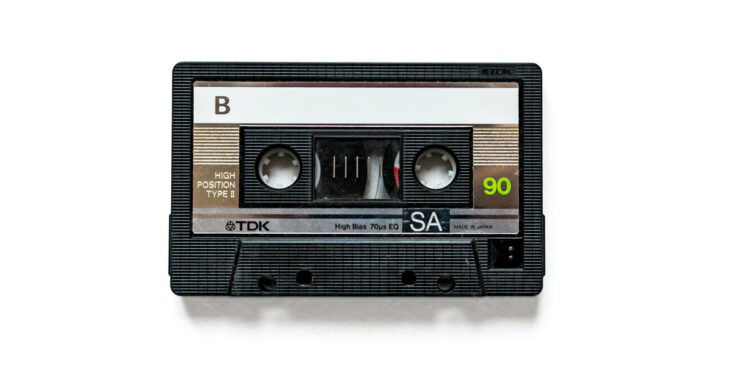
Physical music in the UK just did something it hasn’t managed since 2004. Sales actually increased. Vinyl deserves much of the credit, having grown for seventeen consecutive years, but something stranger is happening beneath the surface. Cassette tapes, the format most people assumed died around 2003, surged by over 200% in early 2025.
The trend cuts across demographics in unexpected ways. The renewed appetite for physical formats reflects a broader shift toward tangible music experiences. Live music venues have seen surging attendance figures, with audiences craving the visceral connection of in-person performance. This same principle applies in unexpected places; like the live casino environments who have discovered that carefully curated soundscapes create an atmosphere that digital playlists simply can’t replicate.
The vinyl ceiling pushes buyers toward alternatives
Vinyl’s success created its own problem. As demand soared, so did prices. New releases on vinyl now routinely cost between £25 and £35, with special editions climbing even higher. For younger listeners discovering physical music for the first time, that represents a significant barrier to entry.
Cassettes offer a cheaper alternative. Most new releases on tape retail between £8 and £12, making them accessible for fans who want something physical without breaking their budget. Robbie Williams’ soundtrack to “Better Man” became 2025’s bestselling cassette with 21,400 copies sold, helping push Williams level with The Beatles for most UK number one albums in chart history. The cassette version contributed meaningfully to that achievement, demonstrating that the format now plays a legitimate role in chart positioning.
Gen Z discovers formats they never lived through
The cassette revival is powered largely by people who weren’t alive during its original heyday. Gen Z accounts for 59% of physical music consumption, with 9% purchasing cassettes annually, according to recent industry data. Artists have noticed. Olivia Rodrigo’s “Vampire” topped the 2025 cassette singles chart, while Ariana Grande, JADE, and The Cure all featured in the year-end top ten.
Pop stars increasingly bundle cassettes with merchandise and limited edition drops. Taylor Swift, Billie Eilish, and Kendrick Lamar all released music on tape in 2024 and 2025, recognising that collectors value the format regardless of audio quality concerns. Monthly UK searches for “cassette player” now exceed 20,000, prompting manufacturers to release updated portable players designed for audiences unfamiliar with the original technology.
CDs quietly stabilise after years of freefall
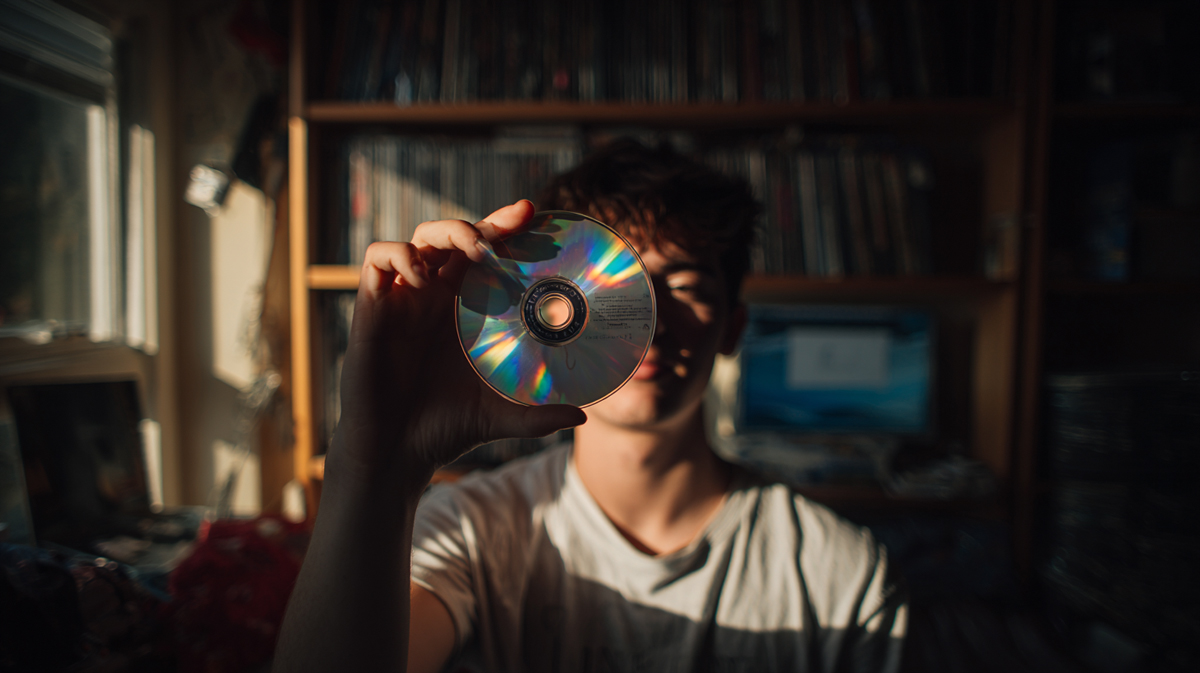
While cassettes grab headlines, CDs are showing resilience, too. Sales declined just 2.9% in 2024, a dramatic improvement from the 19.4% drop in 2022. The slowdown in CDs’ decline suggests the format may have found its floor. Coldplay’s “Moon Music” sold 182,166 copies on CD in its release week, the highest figure for any album on the format since Ed Sheeran’s “÷” in 2017.
Six of 2024’s ten bestselling CDs came from British artists, including David Gilmour, Charli XCX, and The Cure. The format still outsells vinyl in pure volume, shifting 10.5 million units compared to vinyl’s 6.7 million. But CDs’ cultural cachet never recovered from its mid-2000s collapse, leaving it as the practical choice rather than the fashionable one.
Ownership as rebellion against algorithms
Streaming services now account for 87.7% of UK music consumption, but that dominance is prompting a counterreaction. Younger listeners express frustration with algorithms curating their experience and uncertainty about whether music will remain available. Platforms remove songs, artists pull catalogues, and licensing agreements expire. Physical ownership guarantees access.
Mixtape culture is resurging, too. Creating personalised compilations on cassette appeals to people tired of letting Spotify decide what plays next. The ritual of selecting tracks, recording them in sequence, and designing cover art transforms listening from passive consumption into active curation.